You are standing in the kitchen with a cutting board full of chicken, rice, carrots, and good intentions. A quick search for dog food recipes produces thousands of results, but very few explain whether those meals provide everything a dog needs. Homemade food can be a thoughtful topper or part of a complete diet, yet “natural” does not automatically mean nutritionally complete. Let’s look at the bowl the way I look at an ingredient panel: calmly, practically, and with the missing nutrients in mind.
What homemade food can and cannot do
The simplest dog food recipes often combine a cooked protein, a starch, and vegetables. That combination can provide appealing flavors, moisture, and calories. It does not necessarily provide adequate calcium, zinc, iodine, copper, vitamin D, vitamin E, or essential fatty acids. Dogs need these nutrients in the right amounts and ratios, not merely a bowl that looks wholesome to us.
A meal of boiled chicken and white rice is a classic example. It can be useful for short-term feeding in specific veterinary situations, but it is not a complete long-term diet. It contains very little calcium unless a properly measured source is added, and removing the skin can also change the calorie and fat content. Feeding the same recipe for weeks can quietly create deficiencies even while a dog seems happy and energetic.
That is why I separate a homemade topper from a homemade diet. A spoonful of cooked turkey over a complete commercial food is different from replacing every meal with turkey, rice, and vegetables. The first may fit comfortably within a balanced feeding plan. The second requires formulation, accurate weighing, and usually a targeted vitamin-mineral supplement.
Safer ingredients for everyday cooking
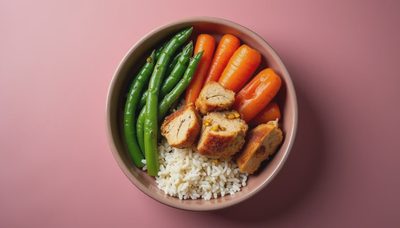
Most dog food recipes should begin with plain, cooked ingredients rather than seasoned leftovers. Lean meats such as chicken, turkey, beef, pork, or fish can work well when fully cooked and served without bones. Eggs are another useful protein source. Cooked oats, rice, potatoes, and pasta can supply starch, while green beans, pumpkin, carrots, and zucchini add texture and fiber.
Avoid onions, garlic, leeks, chives, grapes, raisins, macadamia nuts, xylitol, alcohol, and cooked bones. These are not harmless flavoring choices. Xylitol, a sweetener found in some sugar-free products, can cause a dangerous drop in blood sugar and liver injury. Cooked bones can splinter and injure the mouth or digestive tract. Fatty scraps, bacon grease, and heavily seasoned foods can also trigger gastrointestinal upset or pancreatitis in susceptible dogs.
Food safety matters just as much for pets as it does for people. Wash produce, keep raw meat separate from ready-to-eat foods, and refrigerate cooked food promptly. Homemade portions generally belong in the refrigerator for only a few days, with extra servings frozen in clearly labeled containers. Let food cool before serving, but do not leave a bowl sitting at room temperature for an entire afternoon.
Three practical ways to use dog food recipes
The lowest-risk option is a small topper. Add a tablespoon or two of plain cooked meat, pumpkin, or green beans to a complete diet, then reduce the main food slightly if the topper becomes a daily habit. Treats and extras should not crowd out the nutritional foundation of the meal. A large scoop of chicken can also add more calories than owners expect, especially for a small dog.
A second option is a short-term bland meal directed by a veterinarian. This might involve a digestible protein and carbohydrate for a dog with temporary stomach upset. It is not a universal treatment, and vomiting, bloody diarrhea, dehydration, pain, or poor appetite deserves veterinary attention rather than a recipe experiment.
The third option is a fully home-prepared diet. This is where dog food recipes need the most scrutiny. A veterinary nutritionist can calculate calories and nutrients for the individual dog and specify whether ingredients should be cooked, weighed, or supplemented. A recipe written for a 70-pound adult Labrador is not automatically appropriate for a 12-pound senior terrier, a growing puppy, or a dog with kidney disease.

Why “meat and vegetables” is not enough
Picture a lunchbox assembled from chicken, rice, and broccoli every day. It looks reasonable, but you would not assume it meets every human vitamin and mineral requirement without checking. Dogs face the same problem. Their nutritional needs change with age, body size, pregnancy, activity, and medical conditions.
Calcium is one of the most common gaps in improvised dog food recipes. Muscle meat is rich in phosphorus but contains little calcium, so a meat-heavy diet can create an inappropriate calcium-to-phosphorus balance. Growing puppies are particularly vulnerable because their bones are developing quickly. Adding eggshell powder by guesswork is not a reliable fix; the amount of calcium depends on the product, preparation, and full recipe.
Supplements are not interchangeable, either. A human multivitamin can contain excessive vitamin D, iron, or other ingredients for a dog. A canine product may still be wrong for a particular recipe if it was designed for a different calorie amount or life stage. The supplement must match the formulation, not simply the label on the bottle.
How to evaluate a recipe before serving it
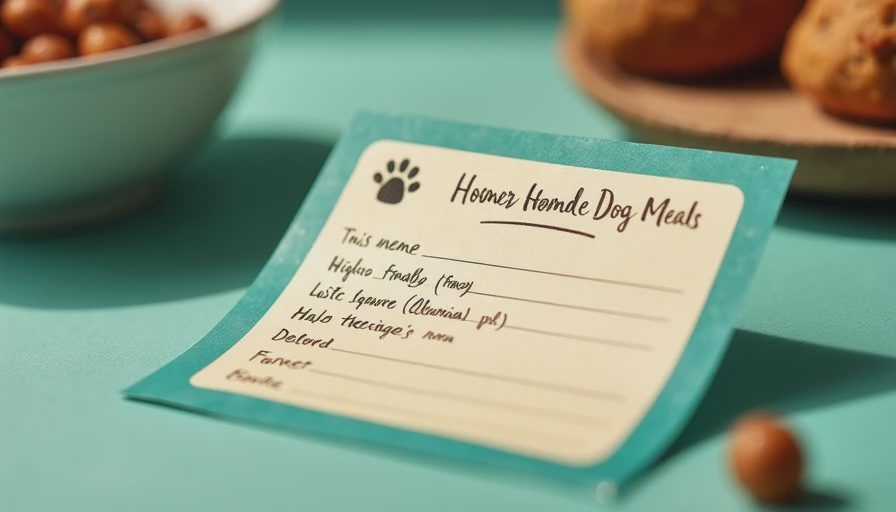
Start by asking who created it. A recipe from a veterinary nutritionist is more useful than one built around a short ingredient list and a photograph. Look for exact weights, preparation instructions, calorie information, life-stage guidance, and a named supplement with a defined amount. “Add vitamins as needed” is not a formulation.
Next, identify the intended role. Is the recipe a treat, a topper, a temporary meal, or a complete diet? Those categories have very different standards. If it is intended to provide all daily nutrition, the instructions should explain how it meets established nutrient recommendations and how to adjust portions as body weight changes.
Finally, weigh ingredients with a kitchen scale instead of relying on cups. A cup of cooked ground beef can differ substantially in calories depending on its fat content. Record your dog’s weight, stool quality, appetite, and body condition after a diet change. Transition gradually over several days unless your veterinarian gives different instructions.
When homemade feeding needs extra caution
Dogs with kidney disease, urinary stones, pancreatitis, diabetes, food allergies, heart disease, or chronic intestinal problems should not be placed on casual homemade dog food recipes. Their diets may require controlled phosphorus, sodium, fat, protein, fiber, or specific mineral concentrations. Puppies and pregnant or nursing dogs also need carefully calculated nutrition because their requirements are not the same as those of a healthy adult.
A consultation does not mean you have failed or that commercial food is mandatory. It means the plan is being built around the dog in front of you. Some families use a complete commercial diet as the foundation and reserve homemade food for enrichment. Others follow a fully prepared recipe because it fits their household. Both can work when the nutritional details are handled honestly.
Today’s useful action is simple: choose one of your current dog food recipes, write down every ingredient and its exact amount, and ask whether it is a topper or a complete diet. Then flip the bag of your dog’s regular food and read the panel. That comparison usually reveals more than another hour of scrolling through recipes. If you are considering a full homemade plan, bring the list to your veterinarian or a board-certified veterinary nutritionist before changing the bowl.

No notes yet — write the first one.