You are standing in the pet food aisle, comparing calorie numbers while your three-legged dog leans against your leg and waits for dinner. Three legged dog care is not about treating a tripod like a fragile ornament. Most dogs adapt impressively to life on three limbs, but they do need thoughtful support for weight control, muscle conditioning, footing, and recovery. The goal is simple: help your dog move comfortably today while protecting the remaining joints for the years ahead.
I live with Clover, a three-legged cattle dog mix, so this is not an abstract topic in my house. Her care starts with the same basics I recommend in the exam room: maintain a lean body condition, use gradual exercise, and pay attention to small changes before they become large problems. Your veterinarian should help identify the original cause of limb loss and tailor activity to your dog's age, surgery history, and orthopedic health.
Start with a lean, well-fed body
The most important nutritional part of three legged dog care is preventing excess weight. Every extra pound increases the work demanded of the three supporting limbs. You do not need a trendy supplement or an exotic protein to accomplish this. You need an appropriate complete and balanced diet, measured portions, and regular monitoring.
Flip the bag. Read the panel. Look for a nutritional adequacy statement showing that the food is complete and balanced for your dog's life stage. The calorie content is usually listed as kilocalories per cup or can. Measure the daily ration with a real measuring cup, and divide it into two meals if that helps your dog feel satisfied. Treats, chews, table scraps, and pill pockets count too; keeping extras near 10 percent of daily calories is a useful practical limit.
Your dog's ideal shape matters more than a number on the scale. You should be able to feel the ribs under a thin layer of fat, see a waist from above, and notice an abdominal tuck from the side. If the ribs disappear beneath padding, ask your veterinarian for a gradual weight-loss plan rather than cutting food dramatically. A sudden restriction can leave a dog hungry and can make it harder to provide adequate nutrients.

Build strength without exhausting the remaining limbs
Good three legged dog care uses consistency instead of heroic weekend adventures. Begin with short, easy walks on level ground. Five to ten comfortable minutes may be a better starting point than a long outing that leaves your dog sore the next morning. Increase duration slowly, changing only one factor at a time: distance, hills, speed, or frequency.
Watch the gait during and after activity. Slipping, repeated stopping, reluctance to rise, a hunched posture, or a shortened stride deserves attention. Delayed soreness can appear later that day or the following morning, so record what your dog did and how the dog moved afterward. A veterinary rehabilitation professional can demonstrate controlled exercises such as weight shifting, slow sit-to-stands, and gentle balance work. These exercises should match the dog's surgery history and should never be forced through pain.
Swimming or underwater-treadmill therapy can be useful for some dogs because water reduces impact while allowing movement. It is not automatically suitable for every patient, particularly a dog that panics in water or has certain wounds, heart conditions, or balance problems. Get professional guidance before starting aquatic exercise.
Make the house easier to navigate
A safe home is one of the most overlooked parts of three legged dog care. Hard floors can turn an ordinary walk to the water bowl into a split-second injury. Add nonslip runners or yoga mats along the routes your dog uses most. Keep nails trimmed so the available toes can contact the floor, and trim excess hair between paw pads when your groomer or veterinarian recommends it.
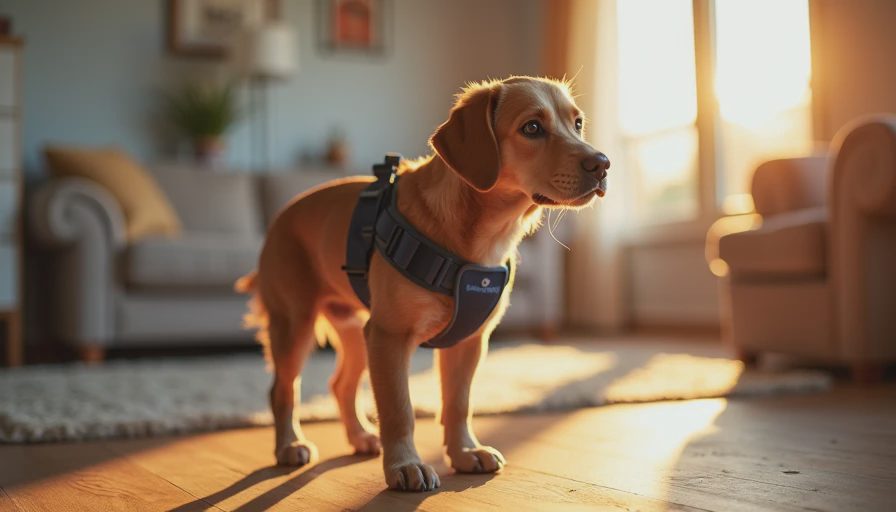
Avoid encouraging repeated leaps from couches, beds, or the cargo area of a vehicle. A sturdy ramp or a short set of pet steps can reduce impact, although steps are not right for every dog. Use a well-fitted harness for support rather than pulling on a collar, especially when your dog is navigating stairs or uneven ground. Check the harness regularly for rubbing around the chest and the remaining shoulder.
Outdoor surfaces deserve the same thought. Hot pavement can burn paw pads, icy sidewalks can be slick, and rough gravel can increase fatigue. Choose grass, packed dirt, or smooth trails when possible. On a hike, carry water and plan a turnaround point before your dog starts lagging.
Protect joints with practical routines
The other limbs carry more responsibility, so routine veterinary examinations are valuable even when your dog seems cheerful. Your veterinarian can assess muscle symmetry, joint range of motion, nails, paws, and body condition. Ask whether a rehabilitation referral is appropriate and whether pain control is needed for a specific condition. Do not start human pain relievers; medications such as ibuprofen and acetaminophen can be dangerous for dogs.
Nutrition should support the whole dog, not chase a miracle claim. Glucosamine, fish oil, and other joint products are widely marketed, but product quality and evidence vary. Some supplements also add calories or interact with medications. If you are considering one, bring the exact label to your veterinarian. A diet change is similarly best handled gradually over about a week unless your veterinary team gives different instructions.
This is where three legged dog care benefits from a written routine. Note the food amount, treats, walk duration, surface, and any stiffness. A simple phone note can reveal that soreness follows long pavement walks, not short grass walks, or that a dog is gaining weight because a family member is adding an uncounted snack.
Know which changes need a call
Many tripod dogs have an occasional tired day. That is different from a pattern of worsening function. Call your veterinarian if your dog suddenly refuses to bear weight, cries when moving, develops swelling, repeatedly slips, drags a paw, or cannot rise normally. New panting at rest, a marked appetite change, vomiting, or unusual lethargy also deserves attention rather than an assumption that the missing limb explains everything.
Check the remaining paws after walks for cuts, cracked pads, heat, or lodged debris. Look at the nails for breaks and watch for a change in how your dog turns, sits, or climbs. Dogs often hide discomfort, and a gradual change may be easier for a family to notice on video than in a busy clinic. A short recording of your dog's walk can help your veterinarian evaluate the problem.
A simple daily plan for owners
A workable three legged dog care plan can fit into an ordinary day. Measure breakfast and dinner, reserve a small portion for training, and keep the food container away from free-feeding access. Take one or two controlled walks on a predictable surface. Add brief, veterinarian-approved strengthening exercises rather than waiting for a single exhausting outing.
At home, check footing, paws, and comfort before bedtime. Wash bedding regularly and provide a supportive sleeping surface that is easy to reach. If your dog uses a ramp, keep it stable and dry. On hot days, walk during cooler hours; on slick days, shorten the route and use indoor enrichment such as a food puzzle or scent-search game.
A three-legged dog does not need pity, and you do not need to panic over every imperfect step. Thoughtful portions, lean body condition, controlled movement, and a safer environment accomplish far more than an impressive shelf of products. Today, flip the bag, measure the next meal, and then look at your dog's walking path for one place where a nonslip mat could make life easier.


No notes yet — write the first one.