The Bag That Promises Relief
The dog has been itchy for months. The owner has already tried two over-the-counter “limited ingredient” diets and a course of steroids. Now they are standing in the clinic or the pet store holding an $80 bag labeled “hypoallergenic,” “novel protein,” or “hydrolyzed.” The expectation is that this bag will finally end the scratching, the ear infections, and the restless nights.
Sometimes it does. Often it does not.
I see this pattern regularly in consulting work. The problem is rarely that the owner is not trying hard enough. The problem is that true food allergy diagnosis and management are more specific than most marketing language suggests. This post walks through why the expensive bag frequently fails, what the actual diagnostic process requires, and how I approach the bowl when a food allergy is the working diagnosis.
Food Allergy Versus Food Intolerance Versus Everything Else
First, the language problem.
True cutaneous food allergy (adverse food reaction with an immune component) is less common than most owners have been led to believe. Many itchy dogs have environmental allergies, flea-allergy dermatitis, secondary infections, or other pruritic diseases. Some have food intolerances that are not immune-mediated. Lumping all of these under “food allergy” leads to a long series of diet trials that never had a realistic chance of succeeding.
A proper work-up usually starts by addressing parasites, infections, and the most common environmental triggers. Only then does a strict elimination diet trial become the appropriate next step. Starting with the $80 bag while the dog still has uncontrolled fleas or a yeast infection is one of the most reliable ways to conclude, incorrectly, that “diet doesn’t help.”
What “Hypoallergenic” Actually Means on a Label
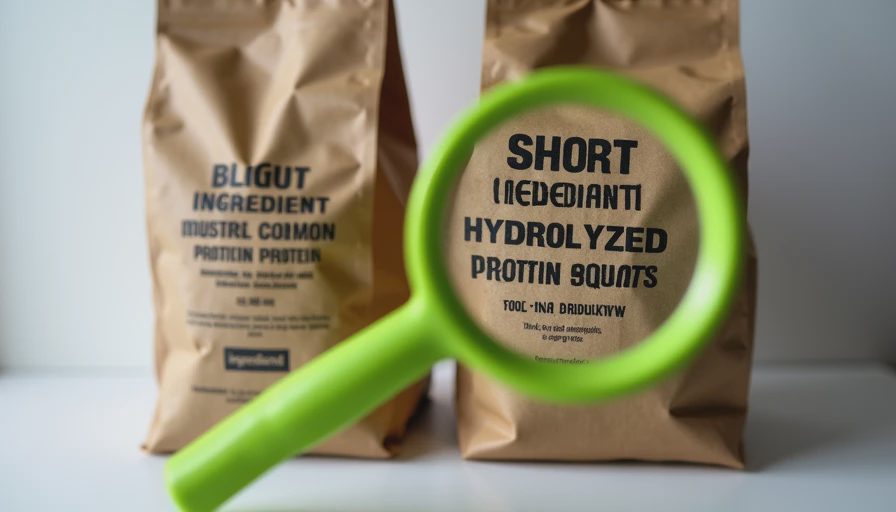
There is no single regulatory definition that forces every “hypoallergenic” claim to mean the same thing.
Some products are hydrolyzed diets in which the protein has been broken into pieces small enough that the immune system is less likely to recognize them. These are the diets most often used in veterinary dermatology for elimination trials and long-term management of confirmed food allergy.
Other products are limited-ingredient diets built around a single novel protein and carbohydrate source. “Novel” simply means the dog has not eaten that protein before. In a world where many dogs have already been exposed to chicken, beef, lamb, salmon, and duck, true novelty is harder to achieve than the label suggests.
Still other products use the word more loosely. The claim may rest on the absence of certain common allergens without guaranteeing the level of control needed for a diagnostic trial.
The price tag does not tell you which of these categories you are holding. The ingredient list and the company’s technical data do.
Why the Expensive Bag Often Fails
Three common reasons:
The diet is not being fed exclusively. Treats, flavored medications, dental chews, table scraps, and even the residue in a shared water bowl can introduce enough of the original allergen to keep the immune response active. An elimination trial is only as good as its strictest day.
The trial is too short or is abandoned during a flare. Most dermatologists want an 8- to 12-week strict trial before judging the response. Improvement is often gradual. Owners who switch foods every three weeks never reach the evaluation point.
The dog does not have a food allergy. If the primary problem is environmental allergy or another pruritic disease, even a perfectly executed hydrolyzed-diet trial will not resolve the itching. The bag is then blamed for a job it was never capable of doing.
There is a fourth, more technical reason: some limited-ingredient diets still contain enough cross-contaminating proteins (from shared manufacturing lines or incomplete novelty) to trigger a sensitive dog. Hydrolyzed veterinary diets reduce that risk more reliably, which is why they remain the preferred diagnostic tool in most specialty practices.
The Process That Actually Works
When food allergy is a realistic differential, the sequence I recommend looks like this:
Rule out or control the common non-food causes of itch first.
Choose a diet with a high probability of being truly novel or extensively hydrolyzed—usually a veterinary therapeutic diet rather than an over-the-counter bag.
Feed that diet and nothing else for the full trial period. This includes treats, chews, flavored preventives, and scavenged material.
Document the itch score, ear status, and skin lesions at regular intervals.
If the dog improves, perform a controlled challenge with the original diet or individual ingredients to confirm the diagnosis.
Only after confirmation do we discuss long-term maintenance options, which may include the hydrolyzed diet, a carefully selected novel-protein diet, or a home-prepared diet formulated by a veterinary nutritionist.
This process is slower and less glamorous than buying a premium bag and hoping. It is also the only way to know whether food is actually the problem.
Practical Advice for the Owner Holding the $80 Bag
If you have already purchased a limited-ingredient or “hypoallergenic” food, ask three questions:
Is this diet being fed with absolute exclusivity?
Has the trial reached at least eight weeks with consistent logging of symptoms?
Have the major non-food causes of itch been addressed?
If the answer to any of those is no, the bag has not yet been given a fair test. If the answers are all yes and the dog is still symptomatic, it is time to revisit the diagnosis with your veterinarian rather than simply reaching for the next expensive option.
What I Tell Owners in the Exam Room
Food allergy management is one of the areas where the gap between marketing language and clinical reality is widest. The word “hypoallergenic” on a bag is not a diagnosis and not a guarantee. It is a formulation claim that may or may not match the needs of the dog in front of you.
The highest-leverage steps remain the same: confirm that food is the right target, choose a diet capable of supporting a true elimination trial, execute the trial strictly, and interpret the results honestly. Everything else is secondary.
Flip the bag and read the actual protein sources and the hydrolyzation claim if there is one. Then match the feeding plan to the diagnostic plan your veterinary team has set. That is the route that turns an expensive bag into a useful tool instead of another disappointment.


No notes yet — write the first one.