You are standing in the refrigerator section, holding a package of fresh dog food that costs more than the kibble in your cart. The ingredients look familiar, the meat is visible, and the marketing promises a better bowl. Is fresh dog food actually healthier, or is it simply a more expensive way to feed your dog? The answer depends less on how appetizing the food looks and more on its nutritional adequacy, calories, storage, and fit for your individual pet.
I am a board-certified veterinary nutritionist, and I have spent years reading formulations as closely as most people read restaurant menus. My starting advice is simple: flip the package. Read the panel. A refrigerated meal can be an excellent option, but “fresh” is not a nutritional standard by itself.
What fresh dog food really means
Fresh dog food usually refers to a refrigerated or frozen, minimally processed meal made with ingredients such as meat, vegetables, grains, legumes, oils, vitamins, and minerals. Unlike dry kibble, it contains much more water. That water affects texture, calorie concentration, feeding volume, and price per calorie.
The word fresh does not tell you whether a recipe is complete and balanced. It does not prove that the food contains the right calcium-to-phosphorus ratio, enough essential amino acids, or appropriate levels of vitamins and trace minerals. Those details come from the nutritional adequacy statement, usually printed in small type on the package.
Look for wording showing that the recipe is complete and balanced for your dog’s life stage under the standards of the Association of American Feed Control Officials, commonly called AAFCO. A puppy, adult dog, and pregnant or nursing dog do not have identical nutrient requirements. If the label says the food is intended only for intermittent or supplemental feeding, it should not replace your dog’s main diet unless your veterinarian has given you a specific plan.
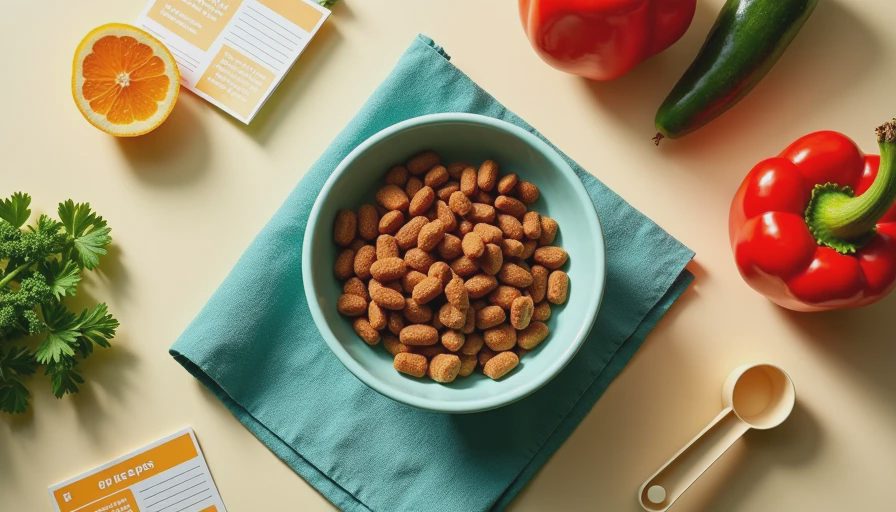
How to read the label without getting distracted
Ingredient lists matter, but they are not a nutrition report card. Ingredients appear by weight, and water-heavy ingredients can appear high on the list. A recipe listing chicken, broth, and vegetables may look dramatically different from kibble because the kibble has already had much of its water removed. That does not automatically make one recipe superior.
Start with calories per container or per gram, not just the scoop or tray size. A 12-ounce package can contain very different amounts of energy depending on its fat and moisture content. For example, a small, inactive dog might need only a few hundred calories daily, while a young, active dog may need considerably more. Feeding instructions are a useful starting point, but body condition should guide adjustments.
Next, identify the guaranteed analysis. Protein and fat percentages on wet food cannot be compared directly with dry food until you account for moisture. A food with 10 percent protein and 75 percent moisture may provide more protein on a dry-matter basis than the label initially suggests. You do not need to do this calculation for every shopping trip, but it explains why simple percentage comparisons can mislead.
Is fresh dog food better than kibble?
Fresh dog food can be easier for some dogs to eat, especially those with dental discomfort, reduced appetite, or strong preferences for moist textures. The higher water content can also increase total dietary moisture. Some owners find that measured refrigerated portions make their dog’s intake easier to monitor.
Kibble, however, is not automatically inferior. A properly formulated dry diet can provide complete nutrition, is convenient to measure, and is often less expensive per calorie. It also stores easily and creates less waste. For a healthy dog that maintains an ideal body condition on kibble, there is no nutritional requirement to switch solely because a refrigerated alternative looks more natural.
The practical comparison is not fresh versus processed. It is complete and balanced versus incomplete, appropriate calories versus excess calories, and a workable routine versus one that causes missed meals or unsafe storage. If a fresh dog food helps your dog eat consistently and fits your budget, it can be a sensible choice. If it creates financial strain, a quality dry or canned diet can serve the same nutritional purpose.

Ingredients, allergies, and medical conditions
Some owners choose fresh dog food because they want fewer ingredients or hope to improve itching, loose stool, or ear problems. That instinct is understandable, but ingredient simplicity alone does not diagnose a food allergy. Dogs can react to proteins found in both premium and budget foods, and environmental allergies are often involved too.
For a suspected food allergy, random product-hopping makes the answer harder to find. Your veterinarian may recommend a properly designed elimination diet using a novel protein or hydrolyzed protein, fed exclusively for the prescribed period. Treats, table scraps, flavored medications, and shared food bowls can undermine the trial.
Dogs with kidney disease, pancreatitis, diabetes, urinary conditions, or a history of gastrointestinal problems need more than attractive ingredients. They may require carefully controlled phosphorus, fat, fiber, sodium, protein, or mineral levels. A general fresh dog food recipe is not automatically appropriate for a medical condition. Ask your veterinarian whether a therapeutic diet or nutrition consultation is warranted.
Storage, transitions, and portion control
Refrigerated food requires refrigerator space and careful handling. Follow the package directions for thawing, serving, and discarding opened portions. Do not leave a meal sitting in a warm room for hours, especially in summer. Wash bowls after meals and use a clean utensil rather than returning a used scoop to the container.
Change diets gradually over about a week unless your veterinarian instructs you otherwise. Begin with a small proportion of the new food mixed into the old, then increase it while watching stool quality, appetite, vomiting, and energy. A sudden switch can cause digestive upset even when both diets are well formulated.
Portions deserve special attention. Fresh food often looks less calorie-dense because of its water content, so owners may serve a large volume. That can be useful for a hungry dog on a weight-management plan, but only if calories are measured. Weighing food with a kitchen scale is often more accurate than estimating by container fractions.
A simple buying plan for today
Before purchasing fresh dog food, write down your dog’s age, current weight, activity level, medical conditions, treats, and current daily calories if known. Then check whether the recipe is complete and balanced for the correct life stage. Find the calorie information and calculate the daily cost. A food costing $8 per day adds up to more than $240 per month, so the routine needs to be financially sustainable.
Compare at least two recipes by calories, not package size. Check the storage instructions and decide whether you can reliably thaw, portion, refrigerate, and discard leftovers. If your dog has a chronic condition or is still growing, take the label to your veterinarian before making the change.
Fresh dog food is neither a miracle nor a gimmick by definition. It is one format among several, and its value comes from a sound formulation and a feeding plan you can follow. Flip the bag or tray today, find the adequacy statement and calorie listing, and let those facts—not the front-of-package promises—make the decision.
No notes yet — write the first one.