You are standing in the pet food aisle, holding a can in one hand and a bag in the other, while your dog waits at home for dinner. The wet vs dry dog food question sounds simple, but the useful answer depends on hydration, calories, health needs, budget, and what your dog will reliably eat. There is no universal winner. There is only the food that provides complete nutrition and works for your individual dog.
I am a board-certified veterinary nutritionist, and I approach this decision the same way I approach a nutrition consultation: flip the bag, read the panel, and separate nutritional information from advertising. Texture and moisture matter, but the nutrition adequacy statement matters more.
What wet and dry food actually provide
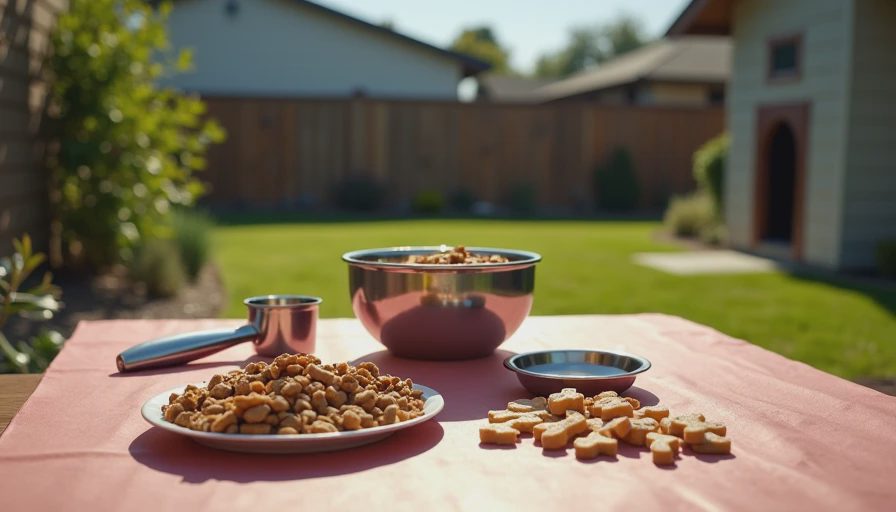
Wet dog food typically contains much more water than kibble, often around 70% to 80% moisture. That makes it soft, aromatic, and easy for many dogs to chew. It can be especially useful for dogs with reduced appetite, missing teeth, painful mouths, or difficulty picking up dry pieces. The higher water content also increases the volume of a meal without adding calories in the same proportion.
Dry food usually contains roughly 8% to 12% moisture. Because it is concentrated, a smaller scoop can deliver substantial calories and nutrients. Kibble is convenient to measure, store, transport, and use in food puzzles. An opened bag does not require refrigeration, although keeping it sealed in a cool, dry place helps protect flavor and nutrient quality.
In a fair wet vs dry dog food comparison, neither format automatically has better ingredients. Both can be formulated to meet the nutrient profiles established by the Association of American Feed Control Officials, or AAFCO. Look for a statement saying the food is complete and balanced for your dog's life stage. Words such as premium, natural, holistic, or human-grade do not replace that statement.
Hydration, appetite, and medical needs
Moisture is the most obvious difference in wet vs dry dog food. A dog eating canned food takes in more water from the bowl, which can help increase total fluid intake. That can be useful for some dogs with urinary concerns, but food alone is not a treatment for urinary disease, kidney disease, or any other diagnosis. A veterinarian should guide therapeutic diets and fluid goals.
Wet food can also help when appetite is poor. Its stronger smell often appeals to dogs who are recovering from illness or simply becoming selective with age. Warming a portion slightly, while checking the temperature before serving, can increase aroma. Once opened, canned food should be covered and refrigerated, and most leftovers are best used within several days according to the product label.
Dry food has practical advantages for healthy dogs who like crunch and graze responsibly. It is also easier to use for measured meals during training. Free feeding is not ideal for every dog: Labradors, beagles, and many indoor dogs can gain weight quickly when food is always available. Whether you choose wet vs dry dog food, measure daily portions instead of estimating by eye.
Calories and weight management
The label can make wet food appear lower in calories because water dilutes the energy density. Comparing one cup of kibble with one can of food is misleading. Compare calories per cup, can, pouch, or gram, then account for the serving size your dog actually receives. A small dog may need only a few hundred calories daily, while a large active dog may need considerably more.
For weight control, the best wet vs dry dog food choice is the one that lets you create a satisfying, measured diet. A dog that begs after a small scoop of kibble might feel fuller with a carefully portioned moist meal. Another dog may do well with kibble divided into three meals and delivered through a puzzle feeder. Ask your veterinarian to assess body condition, not just the number on the scale. You should be able to feel the ribs under a thin layer of fat and see a waist from above.
Treats count. Toppers, dental chews, table scraps, and training rewards can quietly add hundreds of calories each week. If you combine formats, reduce the main meal rather than adding wet food on top. A kitchen scale is inexpensive and often more accurate than a measuring cup, especially for calorie-dense kibble.

Dental claims deserve a closer look
People often assume dry food cleans teeth because it feels crunchy. Ordinary kibble does not reliably remove plaque from every tooth, and many dogs swallow pieces with minimal chewing. Wet food does not cause dental disease by itself; dental disease is influenced by plaque, tartar, genetics, mouth anatomy, and home care.
Some specially designed dental diets have evidence behind their texture and feeding instructions, but they are different from ordinary kibble. Brushing with a dog-safe toothpaste is generally more dependable for daily plaque control, and veterinary dental examinations remain important. Never use human toothpaste, especially products containing xylitol, which is toxic to dogs.
This is another reason not to make the wet vs dry dog food decision based on a single slogan. Choose the format that supports the whole care plan, then address dental health directly with your veterinary team.
Mixing, switching, and reading the label
You do not have to choose one format forever. Mixing canned food with kibble can improve palatability while preserving the convenience of dry food. Start by replacing a modest portion of the current diet with the new food, then adjust based on calories. A gradual transition over about seven days is sensible for many dogs, though a veterinarian may recommend a different pace for a sensitive stomach.
When comparing products, start with the nutrition adequacy statement and life-stage information. Then check calories, feeding directions, guaranteed analysis, and the manufacturer contact information. The ingredient list can tell you what is included, but it cannot tell you the complete nutritional quality of a food by itself. Ingredients are listed by weight before processing, so moisture-rich ingredients can appear high on a wet-food list without providing most of the final dry matter.
In a wet vs dry dog food comparison, also consider package size and waste. A 13-ounce can may look inexpensive, but several cans may be needed each day for a large dog. Kibble often costs less per calorie, while canned food may reduce leftovers for a tiny dog who eats small portions. Store price, calorie density, and actual daily use together.
A practical decision for your dog
Choose wet food when its moisture, texture, or aroma solves a real problem, such as poor appetite or difficulty chewing. Choose dry food when measured convenience, puzzle feeding, portability, or lower cost matters most. Choose a combination when both formats fit your dog's calories and your routine.
Before changing a diet for vomiting, diarrhea, itching, urinary signs, weight loss, or a chronic condition, speak with your veterinarian. A prescription diet is designed for a specific medical purpose and should not be substituted casually with a retail product. Puppies, pregnant dogs, seniors, and dogs with heart, liver, kidney, or gastrointestinal disease also deserve individualized advice.
The bottom line in wet vs dry dog food is reassuringly practical: a complete and balanced food, fed in the right amount, is more important than the format on the package. Today, flip the bag, find the adequacy statement, and write down the calories your dog receives in a typical day. That single action gives you a better starting point than any front-of-package promise.




No notes yet — write the first one.