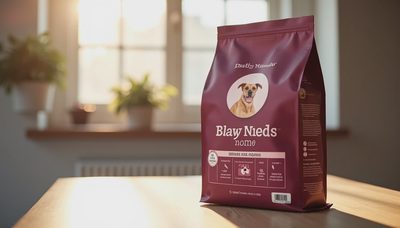
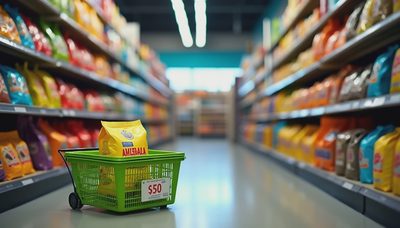
You are standing in the pet food aisle with a bag in each hand, and both labels promise the same thing: healthy, natural nutrition. Comparing dog food brands can feel less like grocery shopping and more like taking an exam you did not study for. Let’s make the test simpler. Flip the bag. Read the panel.
The best choice is not automatically the most expensive bag, the one with the longest ingredient list, or the formula promoted by an internet celebrity. A sound decision starts with your dog’s age, health, body condition, preferences, and the product’s nutritional adequacy statement. Marketing has a role; it just should not be doing all the talking.
What matters when comparing dog food brands
Start with the nutritional adequacy statement, usually printed on the back or side of the package. In the United States, a food labeled “complete and balanced” should be formulated to meet standards established by the Association of American Feed Control Officials, or AAFCO, for a stated life stage. That might be growth, maintenance, all life stages, or a specific condition such as gestation and lactation.
This statement is more useful than a front-panel phrase such as premium, holistic, ancestral, or natural. Those terms can describe positioning, but they do not tell you whether the food supplies an appropriate balance of protein, fat, vitamins, and minerals for your dog.
When I compare dog food brands, I also look for the manufacturer’s contact information, feeding directions, calorie content, and quality-control explanation. Established companies such as Purina, Hill’s, Royal Canin, and Iams typically publish detailed product information and maintain formal research or quality programs. That does not make every formula right for every dog, but it gives owners more useful information to evaluate.
Calories deserve special attention. Two cups of kibble can differ by hundreds of calories depending on the recipe. A food that looks “light” because the pieces are small is not necessarily low in calories. If your dog is gaining weight, measure meals with a standard measuring cup or kitchen scale and discuss a calorie target with your veterinarian.

How to read the ingredient list without getting misled
Ingredients are listed by weight before cooking, so meat ingredients containing water may appear high on the list. Meat meals, such as chicken meal, are concentrated sources of protein because much of the water has already been removed. By-products are not automatically waste; organ tissues can provide valuable nutrients, and the word itself does not tell you whether a food is well formulated.
The ingredient list also cannot tell you everything about digestibility, nutrient availability, contamination controls, or the final balance of vitamins and minerals. It is one piece of evidence, not a report card. For example, a food with blueberries near the top of its list may contain only a small amount of those berries, while a food with an ingredient that sounds less fashionable may provide more meaningful nutrition.
Grain-free diets deserve a calm, specific conversation. Grains are not inherently unhealthy for most dogs, and avoiding them is not a nutritional requirement unless there is a clear medical reason. Some grain-free formulas replace grains with ingredients such as peas, lentils, or potatoes. If your dog has been eating a grain-free food, especially alongside a history of heart disease or unusual symptoms, ask your veterinarian whether a diet review is appropriate. Do not change a therapeutic diet without professional guidance.
Choosing food for age, size, and health
Puppies need food designed for growth, and large-breed puppies require particular attention to controlled calcium and energy intake. A rapid-growth diet can contribute to orthopedic problems in susceptible dogs. An adult maintenance formula is not the same nutritional target, even if the bag uses similar language.
Senior dogs do not all need one universal “senior” recipe. An older Labrador with arthritis and excess weight has different priorities from a thin, active senior terrier. Weight control, protein quality, dental condition, kidney function, and appetite may matter more than the word senior on the front of the bag.
Prescription diets are another category entirely. A renal diet, hydrolyzed protein diet, or gastrointestinal formula is designed for a medical purpose and should be selected with your veterinarian. Store-shelf dog food brands can be excellent for healthy pets, but they are not substitutes for a therapeutic plan when disease is present.
For allergies, avoid guessing based on dramatic packaging. True food allergies are diagnosed through a carefully managed elimination diet followed by controlled challenge, not by switching between several over-the-counter formulas every week. Your veterinarian can help select an appropriate protein or hydrolyzed diet and interpret the results.

Wet food, dry food, and mixed feeding
Dry food is convenient, calorie-dense, and easy to measure. Canned food contains more water and can help some dogs feel full on fewer calories, although the larger serving size can make costs higher. Neither format is automatically superior. A complete and balanced canned diet can be nutritionally sound, and a complete and balanced kibble can be a practical everyday choice.
Many owners combine formats. That is reasonable, but count calories from both foods rather than adding canned food on top of a full kibble ration. A useful starting method is to replace part of the dry food’s calories with the canned food’s calories. Feeding guides are estimates, so monitor body condition: you should be able to feel the ribs under a thin layer of fat, without seeing every rib in a healthy adult dog.
Treats count too. Keep them near 10 percent or less of daily calories when possible, and use small pieces of ordinary food rather than large specialty biscuits for training. If your dog has pancreatitis, diabetes, kidney disease, or another condition, ask your veterinarian about appropriate treats.
A practical store-aisle checklist
Before buying among dog food brands, take these steps:
- Confirm that the food is complete and balanced for your dog’s life stage.
- Check calories per cup, can, or pouch, not just the feeding chart.
- Look at the guaranteed analysis for protein, fat, fiber, and moisture.
- Read the ingredient list for context rather than judging one ingredient in isolation.
- Check the package size, expiration date, and feeding cost per day.
- Choose a transition plan that gradually replaces the old food over about a week.
- Watch stool quality, appetite, weight, and energy after the change.
A 25-pound dog and a 75-pound dog can have very different daily food costs even when eating the same product. Calculate cost per day, not just price per bag. A $60 bag that lasts 45 days costs less daily than a $35 bag that lasts 18 days. This simple calculation often makes premium-looking packaging less persuasive.
The bottom line on dog food brands
There is no single winner for every dog. The right formula provides complete nutrition, fits the dog’s life stage and medical needs, supplies an appropriate number of calories, and is something the household can buy consistently. A less glamorous food fed reliably is usually more useful than an idealized food that strains the budget or causes digestive trouble.
Among dog food brands, compare evidence, transparency, calories, and your dog’s response rather than chasing a trend. If your dog has persistent vomiting, diarrhea, itching, weight loss, excessive thirst, or a sudden appetite change, schedule a veterinary examination instead of conducting a long series of food experiments at home.
Today’s action is simple: take your dog’s current bag, turn it around, and find the nutritional adequacy statement and calorie information. Then compare those two lines with the next product on your list. Flip the bag. Read the panel.


No notes yet — write the first one.