You are standing in the pet-food aisle, holding a bag of fromm dog food while your dog’s dinner, treats, and joint supplement compete for space in the cart. The front says wholesome and natural. The back offers a longer ingredient list, a calorie figure, and a nutritional adequacy statement. Which details deserve your attention?
I approach fromm dog food the same way I approach any commercial diet: flip the bag, read the panel, and separate useful information from advertising language. Fromm is a long-established American pet-food company with dry, canned, and treat products, but a familiar brand name does not automatically make every recipe right for every dog. The best choice depends on calories, life stage, health history, and whether your dog actually thrives on it.
Start with the nutritional adequacy statement
The small statement near the guaranteed analysis is one of the most important lines on the package. It should identify whether the recipe is complete and balanced for growth, maintenance of adult dogs, all life stages, or a particular purpose. A puppy needs different nutrient proportions from a healthy adult, while a pregnant dog has requirements that are not identical to those of a sedentary senior.
Many fromm dog food recipes are marketed for maintenance or all life stages, but do not choose by the product family name alone. A large-breed puppy, a growing small-breed puppy, and an adult Labrador can have very different needs. If your dog has kidney disease, recurring bladder stones, pancreatitis, food-responsive diarrhea, or another diagnosed condition, a standard over-the-counter recipe may not be the appropriate tool. That decision belongs with your veterinarian or a board-certified veterinary nutritionist.
The adequacy statement is not a guarantee that your dog will love the food or digest it perfectly. It tells you the formulation is intended to meet recognized nutrient requirements when fed as directed. That is a useful baseline, not a promise of individual results.
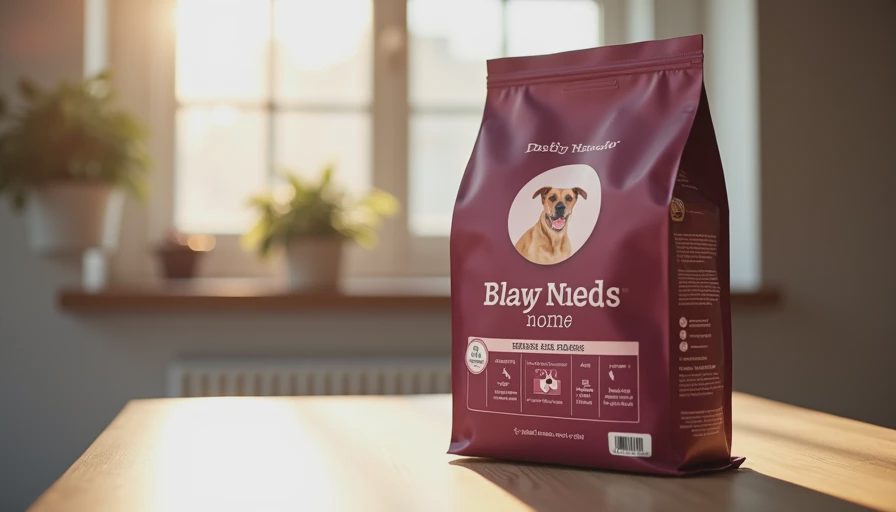
What the ingredient list can tell you
Here is what the panel says — and what it does not. Ingredients are listed by weight before processing, so an ingredient high on the list is not automatically the most important nutrient in the finished kibble. Fresh chicken contains substantial water; chicken meal is concentrated after much of that water has been removed. Both can contribute valuable protein.
In fromm dog food, you may see named animal proteins, grains such as barley or brown rice, potatoes, peas, lentils, fats, vegetables, vitamins, and minerals. Terms such as meal and by-product are not nutrition insults. A properly handled animal by-product can provide organs and other nutrient-dense tissues. A better question is whether the complete recipe supplies appropriate nutrients and calories for your dog.
The ingredient list also cannot tell you the exact percentage of every ingredient, the digestibility of the protein, or how your individual dog will respond. Marketing words such as holistic, premium, and natural have limited value unless you connect them to the adequacy statement, calories, quality controls, and your dog’s clinical response.
Grain-inclusive, grain-free, and the heart-health question
Some fromm dog food formulas include grains, while others use ingredients such as peas, lentils, chickpeas, or potatoes. Grain-free does not mean carbohydrate-free, and grains are not inherently fillers. Dogs can digest properly cooked grains, and many healthy dogs do well with them.
The grain-free discussion became more complicated after the Food and Drug Administration investigated reports of canine dilated cardiomyopathy involving diets with different formulations, including diets high in pulses or potatoes. The investigation did not reduce the issue to one ingredient or prove that every grain-free food causes heart disease. Still, it is a good reason to avoid treating a trendy label claim as a health benefit.
If your dog is healthy and has no veterinarian-diagnosed need to avoid a grain, there is usually no nutritional reason to select grain-free solely because it sounds cleaner. If a food allergy is suspected, guessing from the ingredient panel is often less useful than a properly managed elimination diet directed by your veterinarian.
Calories matter more than many owners realize
A recipe can contain respectable ingredients and still provide too many calories for a dog who gets short walks and several daily treats. Look for the calorie statement, usually expressed as kilocalories per cup or can. Compare that number with your dog’s body condition, current weight, activity, and total daily intake.
For example, two dry diets may look similar in a measuring cup while differing by dozens of calories per cup. For a dog eating two cups daily, that gap can become meaningful over several weeks. Treats, dental chews, table scraps, and training rewards count too. A practical starting point is to keep extras near 10 percent or less of daily calories, then adjust the main diet accordingly.
With fromm dog food, measure portions using a level measuring cup or, better yet, a kitchen scale. Watch the dog rather than the bag’s suggested range alone. Easy-to-feel ribs, a visible waist from above, and an abdominal tuck from the side are more informative than a breed stereotype.

Comparing Fromm recipes without getting lost
When comparing fromm dog food products, make a short list instead of studying every marketing phrase. First, confirm the correct life-stage statement. Second, record calories per cup or can. Third, note the primary protein sources and major carbohydrate sources. Fourth, compare the guaranteed analysis, remembering that protein and fat percentages are listed on an as-fed basis and are not directly comparable between dry and canned foods without converting to dry matter.
Fromm’s product families can differ in texture, ingredient emphasis, calorie density, and price. A dry formula may be convenient for a multi-dog household, while canned food can help a picky eater or add water to the meal. Neither format is automatically superior. A mixed-feeding plan can work, but calculate the portions so you are not adding a full can on top of the usual dry ration.
Do not switch foods abruptly because a new bag looks appealing. Blend the old and new diets over roughly seven days, using a slower transition if your dog has a sensitive gastrointestinal tract. Vomiting, persistent diarrhea, facial swelling, hives, or refusal to eat warrants veterinary advice rather than another rapid food experiment.
When a different diet is the better answer
Fromm dog food can be a reasonable maintenance option for some healthy dogs, but it is not a therapeutic diet for every medical problem. Dogs with chronic kidney disease often need controlled phosphorus and carefully managed protein, while dogs with urinary conditions may need a prescription formula designed around urine chemistry. A dog with pancreatitis may require specific fat management. These needs cannot be reliably met by choosing the most appealing retail ingredient list.
Likewise, an itchy dog does not automatically need a salmon recipe, and a dog with loose stool does not automatically need probiotics or a grain-free formula. Skin and digestive signs have many possible causes, including parasites, environmental allergies, infection, and unrelated disease. A diagnosis saves money compared with cycling through expensive bags.
A simple store-aisle checklist
Before buying fromm dog food, take these five steps. Read the adequacy statement and match it to your dog’s age and situation. Find calories per cup or can. Check whether the formula contains an ingredient your veterinarian has specifically asked you to avoid. Measure the starting portion instead of free-feeding a full bowl. Finally, keep a two-week record of stool quality, appetite, body weight, itching, and energy.
That record is more useful than a dramatic online review because it describes your dog under a consistent feeding plan. If the dog is gaining weight, reduce calories modestly with veterinary guidance. If appetite falls, vomiting develops, or diarrhea persists, stop treating the food aisle as a diagnostic clinic.
Fromm dog food deserves the same calm scrutiny as Hill’s, Purina, Royal Canin, or any other established brand. Brand loyalty is less important than nutritional adequacy, calorie control, manufacturing confidence, and a healthy dog in front of you.
Flip the bag today. Find the adequacy statement, calorie line, and feeding instructions, then write down the portion your dog actually eats. That single action turns a confusing purchase into a measurable nutrition decision.

No notes yet — write the first one.