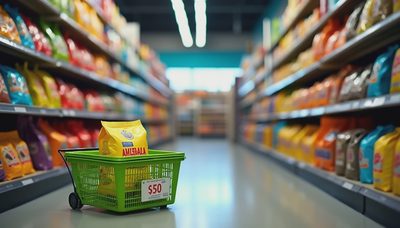
You are standing in the pet food aisle, holding two bags that both promise strength, energy, and a healthier dog. One says “high protein” in large letters. The other lists chicken, beef, or salmon across the front. Before you choose, remember this: high protein dog food is not automatically better, and a dramatic label claim does not tell you whether a diet fits your dog. Flip the bag. Read the panel.
What “high protein” actually means
There is no single legal definition that makes one product high protein and another ordinary. The phrase is generally a marketing description, not a precise nutritional category. One dry food might contain 28% crude protein as fed, while another contains 35%. Wet food can look lower because its water content dilutes the number on the label. Comparing those figures directly is like comparing soup with crackers by looking only at their weight.
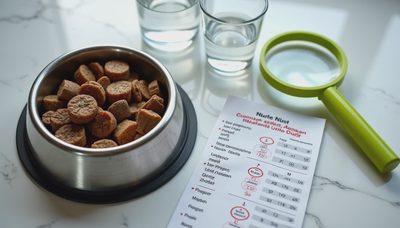
The guaranteed analysis lists crude protein, but “crude” describes the laboratory method used to measure nitrogen-containing compounds. It does not tell you the protein’s digestibility or amino acid balance. Ingredients still matter, but the finished diet matters more than a single ingredient near the top of the list. Chicken meal, for example, is a concentrated ingredient because much of its water has already been removed. “Meal” is not automatically a warning sign.
The more useful question is whether the food provides complete and balanced nutrition for your dog’s life stage. Look for an AAFCO nutritional adequacy statement identifying the diet as suitable for growth, maintenance, or all life stages. That statement is more meaningful than words such as ancestral, biologically appropriate, or premium on the front of the bag.

When high protein dog food can make sense
Protein supplies amino acids used to maintain muscle, skin, hair, enzymes, hormones, and immune function. Growing puppies, pregnant or nursing dogs, and some highly active dogs have greater nutritional demands than a sedentary adult. A diet with adequate protein can also help an overweight dog preserve lean tissue while calories are reduced, although total calories still determine whether weight comes off.
A working Labrador retrieving in cold water may need substantially more energy than a companion dog who spends most of the day sleeping on the couch. The active dog may benefit from a calorie-dense diet with appropriate protein and fat. The couch dog does not need a performance formula simply because the bag features a wolf running through snow. Extra calories can quietly turn into extra pounds.
Senior dogs are another area where blanket advice causes confusion. Healthy older dogs do not automatically need low protein. In many cases, maintaining muscle becomes increasingly important with age. However, a dog with diagnosed kidney disease, certain liver disorders, or another medical condition may need a carefully selected diet rather than a generic high protein product. Do not change protein levels for a sick dog based on a social media post; involve your veterinarian, and ask whether a board-certified veterinary nutritionist should help.
How to compare products on the shelf
When comparing high protein dog food, begin with calories per cup or can. A food containing 400 calories per cup delivers a different feeding plan from one containing 300 calories per cup, even if both show similar protein percentages. Use the feeding chart as a starting point, then adjust with your veterinarian according to body condition, activity, and weight trend.
Next, check the life-stage statement. A puppy needs a diet formulated for growth, and large-breed puppies have additional calcium and energy considerations. An adult dog needs maintenance nutrition. An all-life-stages food is formulated to meet the needs of growth, which does not necessarily make it the best choice for every adult dog.
Look for a manufacturer that can explain who formulates the food, where it is produced, what quality-control testing is performed, and whether the formula meets AAFCO nutrient profiles or has passed feeding trials. This information is often available on the company’s website or through customer service. A colorful front label cannot answer those questions.
The ingredient list can help you understand the recipe, but it cannot rank foods by quality on its own. Dogs can digest properly cooked grains, and grain-free does not mean higher protein or more nutritious. Similarly, a food containing several named animal ingredients may still be unsuitable if it does not provide balanced nutrition or if it supplies more calories than your dog needs.

Protein quality, digestion, and individual tolerance
Dogs need specific amino acids, not merely a high number on the guaranteed analysis. Animal and plant ingredients can both contribute amino acids, and manufacturers formulate diets to meet established nutrient requirements. Digestibility depends on the ingredient, processing, recipe, and the individual dog. A food that produces firm stools, stable weight, a healthy coat, and good appetite may be a better practical fit than a trendier formula that causes gas or diarrhea.
Introduce any new food gradually over about seven days. Start by mixing a small amount of the new diet with the current food, then increase the proportion every day or two if stools remain normal. Sudden changes can cause digestive upset even when the new product is nutritionally sound. Persistent vomiting, diarrhea, itching, appetite loss, or weight change deserves veterinary attention rather than another round of food shopping.
Treats count, too. If a dog receives jerky, cheese, dental chews, and training biscuits throughout the day, the extra calories can overwhelm a carefully selected diet. Keep treats modest and use part of the regular daily food allowance for training when possible.
Common mistakes to avoid
The first mistake is assuming the highest protein percentage wins. A 38% food is not automatically better than a 27% food for an adult dog with modest activity. The second is choosing based only on the first ingredient. Ingredient order reflects weight before cooking and does not reveal the complete nutrient profile. The third is ignoring body condition. You should be able to feel the ribs under a thin layer of fat and see a waist from above in a healthy-weight dog, though individual body shapes differ.
Another mistake is switching foods repeatedly because of online claims. A stable, complete diet that your dog eats well and maintains a healthy body condition is already doing important work. Change for a clear reason, such as a veterinary recommendation, a life-stage transition, a confirmed intolerance, or difficulty maintaining an appropriate weight.
A practical decision for your dog
High protein dog food can be a sensible choice when it is complete and balanced, appropriate for your dog’s life stage, suitable for the dog’s medical history, and fed in an amount that maintains a healthy body condition. It is not a cure for weakness, allergies, kidney disease, or aging. More protein cannot compensate for excessive calories, poor quality control, or a diet that your dog cannot tolerate.
Write down your dog’s age, current weight, activity level, medical diagnoses, treats, and target body condition before you shop. Take a photograph of the guaranteed analysis and adequacy statement on two or three candidate bags. Your veterinarian can then make a much more useful comparison than a quick glance at the front-of-bag slogans.
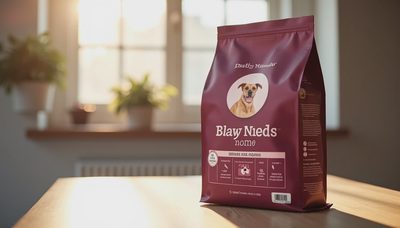
Today’s action is simple: pick up your dog’s current food and read the back panel. Find the calorie content, protein percentage, life-stage statement, feeding directions, and manufacturer contact information. That five-minute habit will tell you far more about high protein dog food than a picture of a muscular dog on the package.

No notes yet — write the first one.