You are standing in the pet food aisle, holding a bag covered with wolves, roasted meat, and words like “ancestral” and “biologically appropriate.” Searches for ancestral diet dogs usually begin with a sensible question: should modern pets eat more like their wild relatives? The short answer is that some instincts behind the idea are useful, but a wolf’s menu is not automatically a safe or complete plan for a Labrador, Chihuahua, or senior indoor cat-like couch potato of a dog.
I am not interested in winning a raw-versus-kibble argument. I am interested in turning over the bag and checking whether the food supplies the nutrients your dog needs, in the amounts your dog can tolerate. Flip the bag. Read the panel.
What ancestral diet dogs usually means
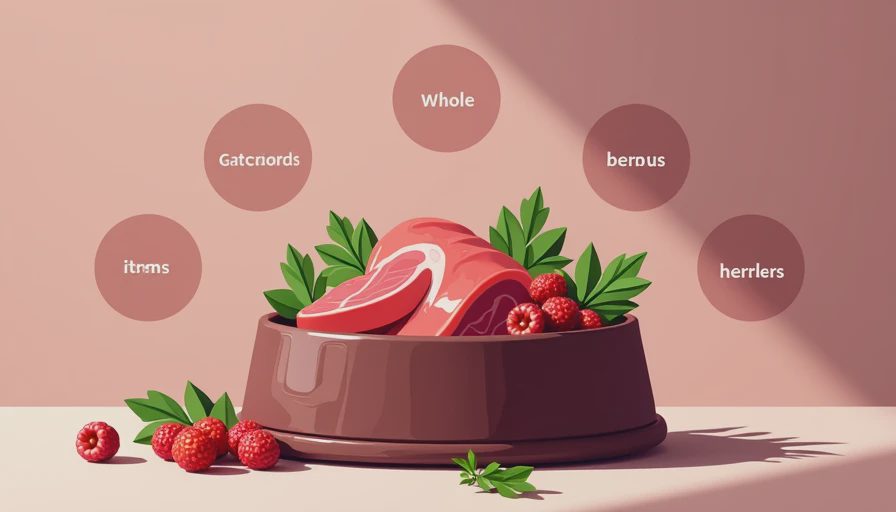
The phrase has no single legal or nutritional definition. In practice, ancestral diet dogs discussions often refer to raw meat, meaty bones, organs, eggs, small amounts of vegetables, and limited grains or starches. Some commercial foods use “ancestral” to describe recipes with multiple animal proteins, fewer processed ingredients, or a higher proportion of meat-based ingredients.
That marketing can point toward reasonable goals: adequate protein, appropriate calories, and recognizable ingredients. It can also create a false picture of canine evolution. Dogs have lived alongside people for thousands of years, and their ability to digest and use starch is not identical to that of a wild wolf. More importantly, wild animals do not eat balanced meals designed to support a long, healthy life. They experience parasites, injuries, food shortages, and early death. Nature is not a pet nutrition standard.
Here is what the panel says—and what it does not. An ingredient list tells you what goes into a recipe by weight before cooking, but it does not reveal the complete nutrient profile. A long list is not automatically bad, and a short list is not automatically superior.

Raw food: appealing idea, real tradeoffs
Raw feeding is often central to ancestral diet dogs plans because uncooked meat seems closer to a natural meal. However, raw meat can carry pathogens such as Salmonella, Campylobacter, and certain strains of E. coli. Dogs may show no symptoms while shedding organisms in saliva or stool, creating a household concern for children, older adults, pregnant people, or anyone with a weakened immune system.
Freezing does not reliably eliminate every pathogen, and careful kitchen hygiene helps without removing the risk. Raw bones bring additional problems, including fractured teeth, choking, intestinal blockage, and constipation. Grinding bones changes the physical hazard but does not guarantee correct calcium and phosphorus balance.
If you choose a commercial raw product, look for a nutritional adequacy statement showing that it is complete and balanced for your dog’s life stage. A product labeled only for intermittent or supplemental feeding is not a suitable sole diet. Ask your veterinarian about storage, handling, and whether your household has risk factors that make raw feeding a poor fit.
Do dogs need organ meat and supplements?
Organ meats contain valuable nutrients, but “more” is not a nutritional strategy. Liver, for example, is rich in vitamin A and copper. Feeding large amounts can unbalance a homemade recipe. Calcium is another common problem: boneless meat is not a replacement for a measured calcium source, especially for growing puppies.
This is where ancestral diet dogs advice often skips the hard part. Dogs need amino acids, essential fatty acids, vitamins, minerals, and energy in specific relationships. A scoop of muscle meat, a spoonful of liver, and an egg may sound wholesome while still missing iodine, zinc, vitamin D, or other nutrients. Adding a general multivitamin on top does not reliably fix the recipe; some nutrients can become excessive.
For a home-prepared diet, use a recipe formulated for your individual dog by a board-certified veterinary nutritionist. Follow the recipe exactly, including supplements and cooking method. Substituting turkey for chicken or rice for potatoes can change calories and nutrients enough to matter.
How to evaluate a commercial “ancestral” food
Start with the adequacy statement, not the front of the package. It should identify whether the food is complete and balanced for growth, maintenance, all life stages, or another defined use. A puppy and a healthy adult do not have identical nutritional targets, and large-breed puppy diets require particular attention to calorie and mineral control.
Next, compare calories per cup or can. A rich food may contain substantially more energy than your dog’s previous diet. If you switch without adjusting portions, weight gain can arrive quietly. Use your dog’s body condition—not begging behavior alone—to guide feeding. You should be able to feel the ribs under a thin layer of fat and see a waist from above.
Then examine the company. Look for clear contact information, quality-control details, feeding trials or other substantiation of nutritional adequacy, and a willingness to answer questions. Brands such as Purina Pro Plan, Hill’s Science Diet, and Royal Canin generally provide extensive formulation and quality-control information. That does not make every formula right for every dog, but it gives you more to evaluate than a dramatic wolf image.
A practical transition plan
A gradual change is usually kinder to the digestive tract than an overnight switch. For a healthy dog, begin with about 25% of the new food and 75% of the old food for several days. Move toward a 50-50 mixture, then 75% new food, before serving the new diet alone. Slow down if stools become loose, vomiting occurs, or appetite drops.
Keep treats, chews, and table scraps stable during the transition. Otherwise, you will not know which change caused a problem. Measure meals with a kitchen scale when possible; cups can vary, especially with dense kibble. Record stool quality, appetite, itching, and body weight for two to four weeks.
A dog with pancreatitis, kidney disease, inflammatory bowel disease, food allergy, or a history of urinary stones needs a more individualized plan. Natural ingredients are not automatically gentle or medically appropriate. Your veterinarian can decide whether testing or a therapeutic diet is warranted.
The bottom line for ancestral diet dogs
An ancestral theme can encourage attention to protein quality, calories, and ingredient transparency. It cannot replace nutritional completeness, food safety, or veterinary guidance. Raw meat and bones are not required for a healthy dog, and homemade feeding is not automatically healthier than a well-formulated commercial diet.
Today, take one concrete step: flip your dog’s bag over and find the nutritional adequacy statement, calorie information, and feeding directions. If any of those are missing or unclear, set the marketing aside and ask your veterinarian for a better-supported option. Good nutrition is not about making dinner look wild. It is about making every meal reliably support the animal in front of you.




No notes yet — write the first one.