You are standing in the pet-food aisle, comparing a bag of kibble with a freezer case full of raw patties. One label promises ancestral nutrition; another says complete and balanced. The raw diet scientific evidence is less dramatic than social media suggests: some carefully formulated raw diets can meet nutritional targets, but broad claims about better health are not established, and food-safety risks are real.
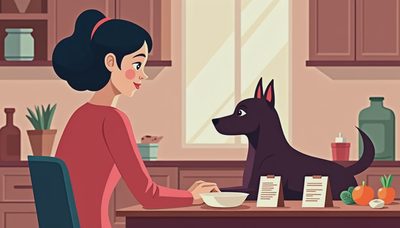
That does not make you careless for asking the question. Owners choose raw food for many reasons, including ingredient control, palatability, or concern about highly processed diets. My job is not to win a feeding argument. It is to separate what research has tested from what marketing implies, then help you make a safer decision for your dog or cat.
What research actually shows about raw feeding
Studies of raw pet food have examined digestibility, stool characteristics, bacterial contamination, nutrient composition, and owner-reported health. Some small studies suggest that certain raw diets produce highly digestible meals or smaller stools. Those findings can be interesting, but they do not prove that raw food prevents cancer, cures allergies, improves behavior, or extends lifespan.
The biggest limitation is study design. Many investigations involve a small number of animals, short feeding periods, or diets that differ in ingredients, fat, calories, and supplements. A comparison between one raw recipe and one dry food cannot answer whether all raw diets are superior. It is similar to comparing one homemade lunch with one school cafeteria meal and declaring a winner for every child.
The raw diet scientific evidence also does not provide a universal answer for every patient. A growing kitten, a pregnant dog, a senior cat with kidney disease, and a healthy adult Labrador have different nutrient requirements. A food can look wholesome and still provide too much calcium, too little iodine, or an unsafe amount of vitamin A.

Nutrition is more than the ingredient list
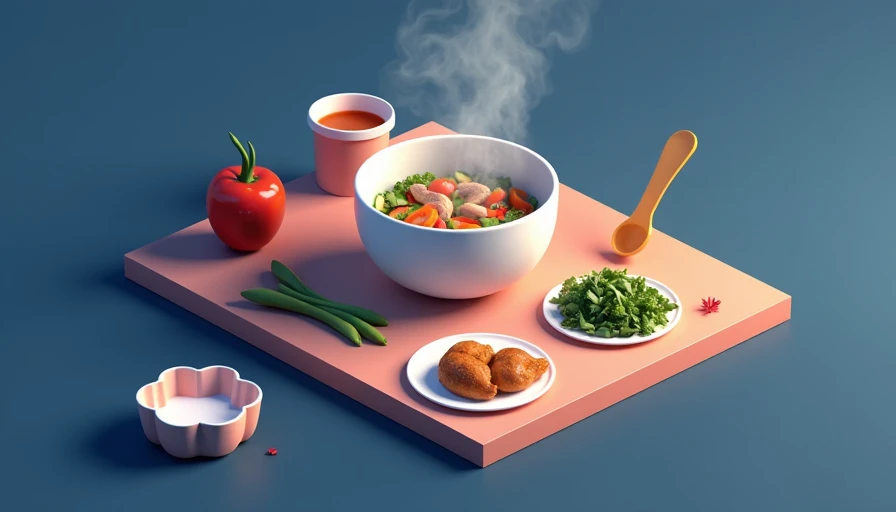
Raw-feeding discussions often focus on meat, organs, bones, and vegetables. Those ingredients may sound natural, but “natural” is not a nutritional adequacy statement. Dogs and cats need appropriate amounts of protein, fat, essential amino acids, fatty acids, vitamins, and minerals. They also need the right ratios, especially during growth.
Bones illustrate the problem. They can supply calcium, but their mineral content varies, and whole bones can fracture teeth or cause choking, constipation, or intestinal obstruction. Ground bone reduces some mechanical hazards but does not automatically make a recipe balanced. Organ meat contributes valuable nutrients, yet excessive liver can provide too much vitamin A over time.
A safer evaluation starts with the finished diet, not the ingredient story. Look for a nutritional adequacy statement indicating that the food is complete and balanced for the intended life stage under recognized nutrient profiles or feeding trials. If a package says “for intermittent or supplemental feeding only,” it is not designed to be the sole diet. Treat toppers and recreational bones should stay within a small portion of daily calories.
For homemade diets, ask whether the recipe was formulated by a board-certified veterinary nutritionist and whether the exact supplement amounts are followed. Swapping chicken for beef or skipping a mineral powder can change the nutrient profile substantially. The raw diet scientific evidence supports taking formulation seriously, not assuming that variety alone fills every nutritional gap.
The food-safety issue is not theoretical
Raw animal products can carry Salmonella, Listeria, Campylobacter, and certain strains of Escherichia coli. A dog or cat may show no illness and still shed bacteria in saliva or feces. That matters when a child touches a food bowl, when someone cleans an accident from the floor, or when a person in the household is pregnant, older, immunocompromised, or receiving cancer treatment.
Freezing does not reliably eliminate every pathogen, and high-pressure processing is not the same as cooking. Washing a countertop may reduce contamination, but it cannot turn a raw meat diet into a sterile product. Use dedicated utensils, thaw food in a sealed container in the refrigerator, wash hands with soap, disinfect preparation surfaces, and discard leftovers promptly. Do not let a pet lick faces immediately after eating.
The FDA and veterinary public-health organizations have repeatedly emphasized careful handling of raw pet food. That advice is not an attack on owners. It is the same practical logic used for human raw poultry: manage the hazard rather than pretending it is absent.

What the evidence says about disease claims
The raw diet scientific evidence does not support using raw food as a stand-alone treatment for allergies, inflammatory bowel disease, urinary disease, or cancer. Some pets appear to improve after a diet change, but the reason may be a new protein, a different fat level, fewer treats, improved calorie control, or removal of an ingredient that did not suit that individual animal. Rawness itself may not be the active factor.
Food allergies are a good example. Diagnosis generally requires a properly designed elimination diet followed by a controlled challenge, not simply switching to raw meat. For gastrointestinal disease, a veterinarian may recommend a highly digestible therapeutic diet, a novel protein, or another tested approach. Raw feeding can complicate those trials because cross-contamination and unlisted ingredients make interpretation harder.
If your pet has vomiting, chronic diarrhea, weight loss, itching, urinary changes, or poor growth, schedule an examination before changing food. A dramatic diet switch can worsen stomach upset and delay diagnosis. Cats in particular should not be allowed to stop eating during a feeding experiment because prolonged appetite loss can become dangerous.
How to make a decision at home
Start by writing down your pet’s age, body weight, body-condition score, activity level, medical problems, treats, and current food. Then calculate the complete daily intake rather than judging the bowl by appearance. A raw patty may contain more calories than the same volume of cooked or canned food, and added oils can raise calorie density quickly.
Next, contact the manufacturer with specific questions. Ask who formulated the diet, whether it is complete and balanced for your pet’s life stage, how nutrient adequacy was verified, and what pathogen-control steps are used. Vague answers do not prove a product is unsafe, but they give you less confidence than transparent documentation.
Compare that information with cooked commercial foods, including canned and dry formulas. Properly manufactured diets can provide predictable nutrient levels without requiring you to grind bones or measure multiple supplements. They are not automatically perfect, but their quality can be evaluated using the same questions: adequacy, calories, formulation, manufacturing controls, and fit for the individual pet.
A practical bottom line for owners
The strongest raw diet scientific evidence tells us to be precise. Raw food is not automatically toxic, and it is not automatically healthier. A properly formulated product may meet a pet’s needs, while an attractive homemade recipe can create deficiencies. Bacterial exposure, handling practices, life stage, medical history, and household vulnerability all belong in the decision.
If you already feed raw, do not panic or make a sudden switch without a plan. Ask your veterinarian to review the exact product or recipe, obtain a nutritional analysis when possible, and discuss safer handling. If you are considering raw because your pet has symptoms, investigate the symptoms first instead of treating a trend as a diagnosis.
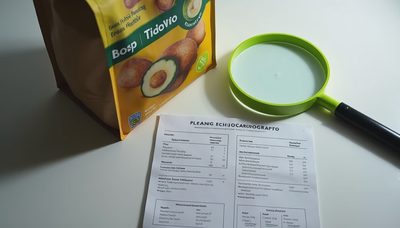
Today’s action is simple: flip the bag, tub, or recipe sheet and find the nutritional adequacy statement, calorie information, life-stage claim, and manufacturer contact details. If those basics are missing, put the food back for now and choose a diet you can evaluate clearly with your veterinary team.


No notes yet — write the first one.