You are standing in the kitchen with a banana going brown on the counter, a dog watching from beneath the table, and a search for homemade treat recipes dogs can eat without creating a nutrition problem. I understand the appeal. Making treats yourself can be inexpensive, satisfying, and a useful way to control ingredients. It can also turn into a very generous calorie-delivery system if every bite is treated like it does not count.
The good news is that homemade dog treats do not need to be complicated. A few ordinary ingredients, sensible portions, and a clear understanding of safety will take you a long way. These treats are snacks, not complete diets, so they should complement a nutritionally complete dog food rather than replace it.
Start with ingredients that have a safety margin
For many healthy adult dogs, useful treat ingredients include plain pumpkin puree, cooked sweet potato, oats, unsweetened applesauce, carrots, green beans, eggs, and lean cooked meats such as chicken or turkey. Peanut butter can work too, but read the label carefully. It must not contain xylitol, an artificial sweetener that can cause a dangerous drop in blood sugar and liver injury in dogs. Xylitol may also appear under the name birch sugar.
Avoid chocolate, grapes, raisins, macadamia nuts, onions, garlic, and foods sweetened with xylitol. Skip heavily salted broths, spicy seasonings, fatty bacon, and dough containing yeast. Nutmeg is not a sensible flavoring for a dog treat, either. Plain is not boring to a dog; a warm smell and a crunchy texture usually do more work than cinnamon or cheese.
Here's what the panel says—and what it doesn't: a label calling something natural does not prove it is safe, low-calorie, or nutritionally appropriate. The ingredient list still deserves a look.
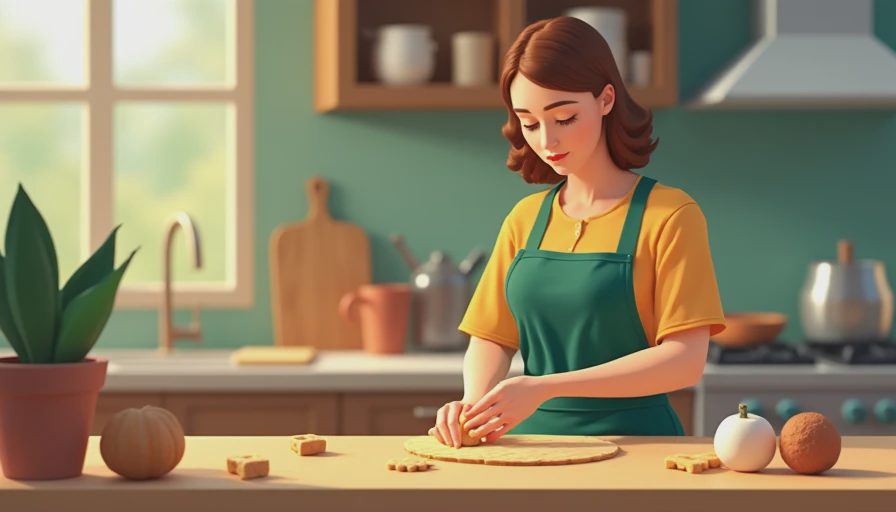
Three simple homemade treat recipes dogs can try
The following homemade treat recipes dogs often tolerate well use familiar foods and modest portions. Introduce one recipe at a time, especially if your dog has a sensitive stomach.
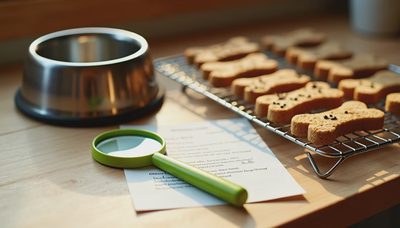
For pumpkin-oat bites, combine one cup of plain pumpkin puree, one egg, and two cups of rolled oats. Let the mixture stand for five minutes, then shape teaspoon-sized portions on a parchment-lined baking sheet. Bake at 350 degrees Fahrenheit for about 20 to 25 minutes, until firm. Cool completely before storing. If the dough is sticky, add oats by the tablespoon rather than a large amount of flour.
For sweet-potato coins, cook a plain sweet potato, remove the skin, and slice the cooled flesh into thin rounds. Bake the slices at 250 degrees Fahrenheit for roughly two to three hours, turning them once, until they are dry and leathery. Thinner slices become crisp; thicker slices stay chewy. Refrigerate them and use them within several days, or freeze extras.
For chicken training cubes, finely chop cooked, unseasoned chicken breast and mix it with a beaten egg and enough oat flour to hold together. Press the mixture into a thin layer, bake at 350 degrees for 15 to 20 minutes, and cut it into tiny cubes while warm. This option is especially practical for recall practice because each piece can be smaller than a thumbnail.
Portion size matters more than the recipe
A homemade treat can contain wholesome ingredients and still contribute too many calories. Treats and extras should generally stay within about 10 percent of a dog's daily calorie intake; the remaining calories should come from a complete and balanced diet. That 10 percent is a calorie guideline, not a fixed number of cookies.
A 10-pound dog might need only a small number of calories from treats in a day, while a 70-pound active dog has more room. The exact allowance depends on age, body condition, activity, health, and the food already being served. A teaspoon-sized pumpkin bite may fit easily into a training session, while a large peanut-butter biscuit can use much more of the daily budget than expected.
Count the day's extras together: treats, table scraps, dental chews, pill pockets, and food used in puzzle toys. If your dog is gaining weight, reduce treat size first rather than assuming the main diet is automatically the problem. A kitchen scale is helpful when you are making a batch. Weigh the finished treats, divide the total estimated calories by the number of pieces, and record that number on the container.
Adjust recipes for the dog in front of you
These homemade treat recipes dogs enjoy are not automatically appropriate for every medical condition. A dog with diabetes, chronic kidney disease, pancreatitis, food allergy, inflammatory bowel disease, or a history of urinary stones needs more individualized guidance. Even a seemingly harmless ingredient can complicate a therapeutic diet or introduce a protein your veterinarian is testing.
Puppies also deserve extra care. Their main food needs to provide the right balance of calcium, phosphorus, energy, and other nutrients for growth. Treats should remain small and occasional, particularly for large-breed puppies. Senior dogs may need softer textures if dental disease makes crunching painful, but soft treats spoil faster and require careful refrigeration.
If your dog has not eaten an ingredient before, offer a tiny amount and watch for vomiting, diarrhea, itching, or facial swelling. A mild stomach upset calls for stopping the new treat and contacting your veterinarian for advice. Facial swelling, breathing difficulty, collapse, or repeated vomiting is more urgent.
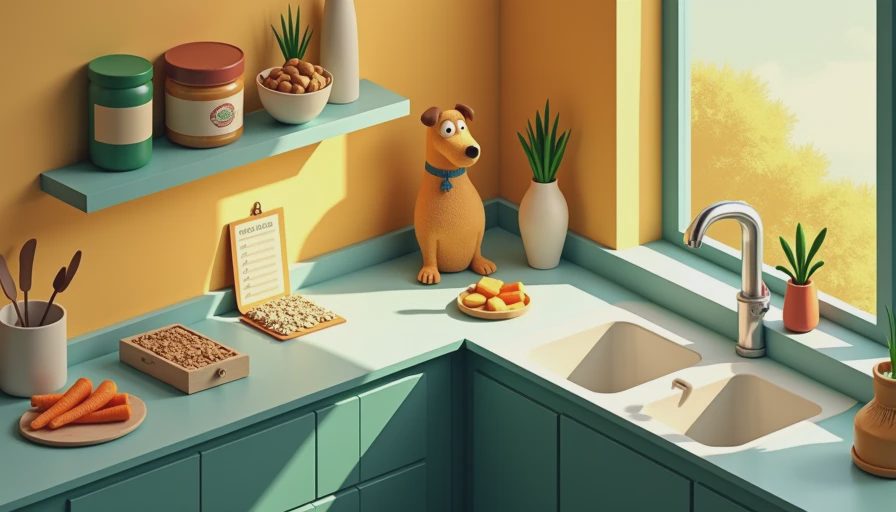
Storage, baking, and practical kitchen habits
Homemade treats contain more moisture and usually fewer preservatives than commercial biscuits. Let baked treats cool fully before sealing them, or trapped steam can create a damp environment for mold. Store dry treats in an airtight container for a few days at room temperature, and refrigerate moist treats promptly. Freeze a larger batch in small portions so you can thaw only what you need.
Write the recipe name and date on the container. This simple habit prevents the familiar refrigerator mystery: a bag of treats that might be four days old or three weeks old. Discard anything with visible mold, an off smell, unusual moisture, or a change in texture. Do not rely on reheating to make spoiled food safe.
Use clean utensils and wash hands after handling raw eggs or meat. Keep ingredients away from counter edges, where a determined dog can reach them. Let treats cool before offering them, and supervise chewers with dehydrated pieces. Very hard treats can fracture teeth, while large chunks can become choking hazards.
Homemade or store-bought: how to choose
Homemade treats are useful when you want a short ingredient list, a soft texture, or a high-value reward made from a food your veterinarian has already approved. Store-bought treats are often more convenient and can provide consistent calorie information, especially when you are managing weight or training daily. Neither category is automatically healthier.
Flip the bag. Look for a clear ingredient list, feeding guidance, and a calorie statement when available. A commercial treat from a company with quality-control systems may be easier to portion consistently than a homemade cookie whose size changes from batch to batch. On the other hand, a simple piece of cooked carrot or a measured bit of plain chicken can be a more practical reward than a rich biscuit.
The best choice is the one that fits your dog's health plan, your schedule, and your ability to measure portions. Homemade treat recipes dogs can use successfully should make feeding clearer, not turn every snack into a guessing game. Ask your veterinarian or a board-certified veterinary nutritionist for a tailored calorie target if your dog has a medical condition or needs to lose weight.
Today, choose one safe ingredient, make the pieces smaller than your first instinct, and write the date on the storage container. Then flip the bag of your dog's regular food and read the panel: treats work best when the complete diet remains the nutritional foundation.
No notes yet — write the first one.