You are standing in the kitchen when your dog asks to go outside again, then squats and produces only a few drops. A dog urinary tract infection is one possible explanation, but the same pattern can occur with bladder stones, kidney disease, diabetes, or a urinary blockage. That is why food advice should come after a veterinary examination, not instead of one. Let’s sort out the useful clues without turning the pet-food aisle into a medical exam room.
What the signs can tell you
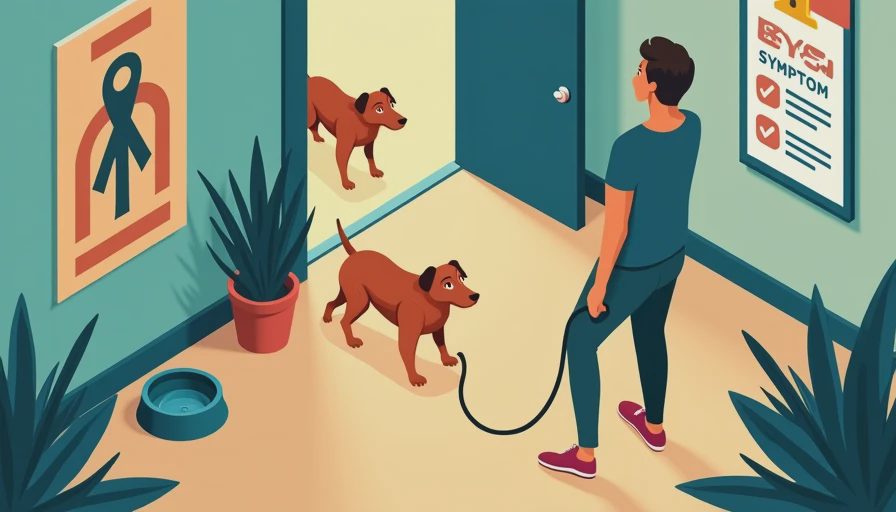
Common signs of a dog urinary tract infection include frequent urination, straining, accidents in the house, licking around the urinary opening, unusually strong-smelling urine, or visible blood. Some dogs seem uncomfortable, restless, or reluctant to settle. Others show almost no obvious change, especially early in the problem.
A dog that cannot pass urine, repeatedly strains without producing a normal stream, vomits, becomes very weak, or develops a painful, swollen abdomen needs immediate veterinary care. A blockage can become life-threatening. Male dogs are particularly vulnerable to obstruction because their urethra is narrower and longer, although any dog can have an emergency.
Fever, reduced appetite, marked tiredness, or pain near the back or kidneys raises concern that infection could involve more than the bladder. Do not wait several days while trying a new treat, supplement, or homemade recipe. Call your veterinarian and describe exactly how often your dog is urinating, whether the stream is normal, and whether you have seen blood.
How veterinarians confirm the problem
The phrase dog urinary tract infection describes a condition, not a complete diagnosis. Your veterinarian will usually start with a physical examination and urinalysis. The urine test can provide information about concentration, blood, protein, inflammation, crystals, and other findings. A urine culture may be recommended to identify bacteria and help select an appropriate antibiotic, particularly when signs are severe, recurrent, or not responding as expected.
That distinction matters because crystals in a urine sample do not automatically mean infection, and bacteria are not always the cause of urinary signs. Bladder stones, sterile inflammation, anatomical problems, and certain metabolic diseases can look similar at home. Antibiotics selected without appropriate testing can miss the real problem and contribute to resistance.
If your dog has had repeated episodes, ask whether imaging or additional blood work is appropriate. Bring a medication list, a record of previous urinary problems, and the name of every supplement. Cranberry chews, urine-acidifying products, and herbal blends are not interchangeable with diagnosis or treatment. Some products can also interfere with a carefully designed plan.
Where nutrition helps, and where it does not
Food is important, but there is no single universal “urinary diet” for every dog urinary tract infection. A diet formulated for struvite dissolution is different from a diet used to reduce the risk of certain calcium oxalate stones. Those diets work through carefully controlled mineral levels, urine dilution, and urine chemistry; they are not simply ordinary food with a magic ingredient added.
Water intake is often the most practical nutrition lever. Ask your veterinarian whether adding water to meals, offering canned food, or using a pet-safe water fountain makes sense for your dog. Several small water stations can help in a busy home. Fresh water should be available unless your veterinarian gives a specific instruction otherwise.
Do not dramatically restrict protein, calcium, phosphorus, or other nutrients on your own. A growing puppy, pregnant dog, senior dog, and dog with kidney disease have different nutritional needs. A homemade urinary recipe copied from a social-media post may look wholesome while being deficient in essential nutrients or inappropriate for the diagnosed stone type.
Here’s what the panel says—and what it doesn’t: an ingredient list can tell you what is included, but it cannot tell you whether a food will dissolve a specific stone or treat infection. For that, the diet must match the medical diagnosis and be fed consistently enough to do its job.

Choosing food after a diagnosis
If your veterinarian recommends a therapeutic diet, ask what condition it targets, how long it should be fed, and whether treats need to change. Prescription urinary foods from companies such as Hill’s, Royal Canin, and Purina are formulated for specific nutritional goals, but the best choice is the one your dog will eat, tolerate, and receive consistently. Product names and formulas differ, so follow the current label and your veterinary team’s instructions.
Treats count. A handful of jerky, cheese, dental chews, or a mineral-heavy topper can undermine the intended nutrient balance of a therapeutic plan. Ask for a short list of compatible rewards. In some cases, using pieces of the prescribed food as treats is the simplest solution. In others, your veterinarian may approve a measured alternative.
If your dog refuses the recommended diet, do not turn dinner into a standoff. Contact the clinic, especially if the dog is already ill or has stopped eating. A gradual transition may help, but urgent cases should not be delayed while you attempt a weeklong food switch.
Preventing repeat urinary problems
Prevention depends on the cause. For a dog with recurring dog urinary tract infection episodes, your veterinarian may recommend follow-up urine testing, evaluation for an underlying disease, or a longer-term nutrition plan. Dogs with diagnosed stones may need scheduled imaging or urine checks even when they appear comfortable.
At home, provide regular bathroom opportunities rather than expecting a dog to hold urine for long stretches. Keep water bowls clean and easy to reach. Maintain a healthy body condition, since excess weight can complicate several medical conditions. Watch for subtle changes: a new indoor accident, more licking, a smaller stream, or a sudden request to go out at midnight.
Avoid assuming that a food labeled “urinary health” prevents every dog urinary tract infection. Marketing language is not the same as a therapeutic claim. Compare the product’s nutritional purpose with your veterinarian’s diagnosis, and do not rotate foods repeatedly just because the front of a bag sounds reassuring.
Questions to take to the clinic
Before the appointment, write down when signs began and whether they are improving, worsening, or coming and going. Ask whether a urinalysis alone is enough, whether a culture is recommended, and what warning signs should send you to an emergency hospital. If food is part of the plan, ask about calories, water, treats, transition speed, and the intended duration.
A dog urinary tract infection is uncomfortable and sometimes signals a more serious issue, but clear testing makes the next step much less mysterious. You do not need to diagnose the urine from the label or solve the problem with an internet supplement. You need a timely exam, accurate information, and a nutrition plan that fits the actual condition.
Today’s practical action: flip the bag, note the complete food and treat list, and call your veterinarian if your dog is straining, urinating unusually often, or showing any of the warning signs above.



No notes yet — write the first one.