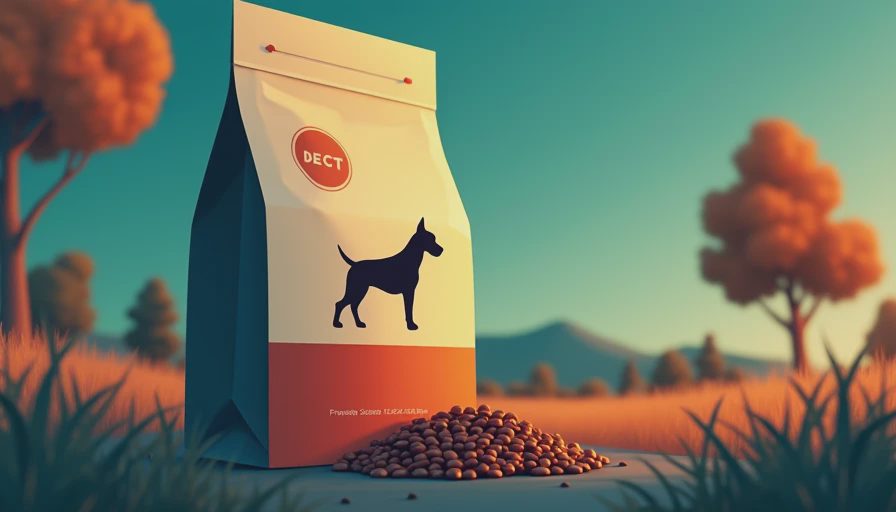
You are standing in the pet food aisle, comparing two bags that both promise a healthier weight. One says “light,” another says “healthy weight,” and a third features a very serious-looking Labrador. Choosing weight management dog food is less about the biggest front-of-bag promise and more about calories, portions, protein, and whether your dog can stay satisfied on the plan.
A dog carrying extra pounds does not need a punishment diet. The goal is gradual fat loss while preserving muscle, maintaining energy, and keeping meals enjoyable. Your veterinarian should help determine whether weight gain is simply a calorie issue or whether pain, medication, endocrine disease, or another medical problem is involved.
What weight management dog food is designed to do
Most weight management dog food products reduce calorie density compared with standard maintenance formulas. In plain English, your dog can eat a similar-looking volume of food while taking in fewer calories. Manufacturers often accomplish this with more fiber, more water, or a different balance of protein and fat. The exact recipe varies, so the product name alone is not enough evidence.
Look for a statement showing that the food is complete and balanced for your dog’s life stage. A food intended for adult maintenance is not automatically appropriate for a puppy, pregnant dog, or nursing dog. Puppies have different energy and nutrient needs, and restricting calories without professional guidance can interfere with growth.
Fiber can help some dogs feel full, but more fiber is not always better. Excessive amounts can produce bulky stools, gas, or lower digestibility. Protein matters because weight loss should target excess fat rather than lean tissue. A veterinarian or veterinary nutritionist can help interpret the guaranteed analysis and calorie statement instead of treating one ingredient as a magic solution.

Flip the bag: the numbers that matter
Here’s what the panel says — and what it doesn’t. The guaranteed analysis lists minimum crude protein and maximum crude fat, fiber, and moisture. Those figures are useful, but they do not directly tell you how many calories are in a cup. Find the calorie content, usually expressed as kilocalories per cup, can, or kilogram.
Compare foods on a calorie basis rather than by scoop size. For example, one formula might contain 320 kilocalories per cup while another contains 420. Feeding one measured cup of each creates a 100-calorie daily difference, which is substantial for a small dog. Canned food can appear less calorie-dense because it contains more water, though the calories still need to be counted.
Also inspect the feeding directions. They are starting points, not personalized prescriptions. A 50-pound dog who is inactive, neutered, or prone to weight gain may need fewer calories than an equally sized working dog. Use a real measuring cup, weigh portions with a kitchen scale when accuracy matters, and count treats, dental chews, table scraps, and food used for medication.
How to select the right formula for your dog
The best weight management dog food is one your dog will eat consistently and digest comfortably. Start with the health question, not the marketing category. A dog with a history of urinary stones, pancreatitis, kidney disease, food-responsive diarrhea, or severe allergies may need a therapeutic diet rather than a general over-the-counter weight formula.
For a generally healthy adult dog, compare calorie density, protein content, fiber, and feeding practicality. Dry food is convenient to measure and store. Canned food can provide additional water and may help a dog who prefers larger, softer meals. Some owners combine the two, but the calories from both must fit the daily allowance.
Do not assume grain-free means lower calorie, or that a short ingredient list means better weight control. Chicken, beef, rice, corn, peas, and by-products each describe ingredients, not the whole nutritional result. A formula from Purina, Hill’s, Royal Canin, Iams, or another established manufacturer should still be judged by its nutrition statement, calorie content, quality controls, and suitability for your individual dog.
Portion control is where results usually happen
Even excellent weight management dog food can cause weight gain when the serving is generous. Begin with your veterinarian’s calorie recommendation or the food’s calculated starting amount. Divide the daily ration into two or three meals if your dog begs between meals. A slow feeder, food puzzle, or scatter feeding can make a smaller portion last longer.
Treats deserve a written budget. If your dog receives 80 calories in biscuits, cheese, and training rewards, those calories are part of the daily total. Set aside part of the regular kibble for training, or use tiny pieces of a low-calorie treat. Carrots or green beans can work for some dogs, but introduce any new food gradually and ask about safe choices if your dog has a medical condition.
Weigh your dog every two to four weeks under similar conditions. A bathroom scale can work for a small dog: weigh yourself, then weigh yourself holding the dog, and subtract. A clinic scale is more useful for a large dog. If weight is not changing after several weeks, the plan may need adjustment rather than a dramatic food switch.
Avoid the common label and feeding traps
The word “light” is regulated in certain labeling contexts, but it still does not replace reading calories. “Natural,” “premium,” and “holistic” provide limited information about energy density. Likewise, dramatic before-and-after claims on social media are not a feeding plan. Weight loss should be steady, and a dog that suddenly stops eating, vomits, becomes weak, or loses weight rapidly needs veterinary attention.
Another trap is changing food too quickly. Transition over about seven days by mixing increasing amounts of the new formula with the old one. Sensitive dogs may need a slower transition. Loose stool does not prove that a food is detoxing the body; it usually means the change was too fast, the food is not agreeing with the dog, or another issue needs attention.
Finally, do not use hunger as proof that the diet is working. Persistent begging can reflect habit, boredom, or a portion that is poorly suited to the dog. More meal structure, exercise appropriate for the dog’s joints, and non-food attention often help. A senior dog with arthritis may benefit from short, frequent walks rather than a sudden long hike.
A practical plan for the next seven days
First, schedule a weight and body-condition discussion with your veterinarian. Ask for a target weight, an estimated daily calorie amount, and a safe rate of loss. Next, record everything your dog eats for three ordinary days, including chews and scraps. This often reveals the missing calories without blame.
Then compare two or three weight management dog food options by kilocalories per cup or can, complete-and-balanced status, protein, fiber, and cost per day. Calculate the daily expense rather than comparing bag prices. A $45 bag that lasts 30 days costs more per day than a $60 bag that lasts 50 days.
Measure the ration, reserve training pieces, and weigh your dog on a planned date. If the dog is losing too quickly, seems unwell, or is not progressing, contact the veterinary team. Food is one part of weight care; sleep, movement, pain control, and family consistency matter too.
Today’s action is simple: flip the bag, find the calorie statement, and measure your dog’s next meal instead of pouring by eye. That small habit gives weight management dog food a fair chance to do what it was designed to do.




No notes yet — write the first one.