You are standing in the pet food aisle, comparing three bags while your dog waits at home with a diagnosis you never wanted to hear. Choosing a kidney diet for dogs can feel like an exam with no answer key. The useful news is that nutrition is one of the tools your veterinary team can use to support a dog with chronic kidney disease. It is not a cure, and the right plan depends on laboratory results, appetite, body condition, and the stage of disease.
I am a board-certified veterinary nutritionist, and I want to start with the part that gets lost online: there is no prize for finding the most complicated food. A good plan supplies enough calories, limits nutrients the kidneys handle poorly, and gives your dog a reasonable chance of eating every meal.
What a kidney diet for dogs is designed to do
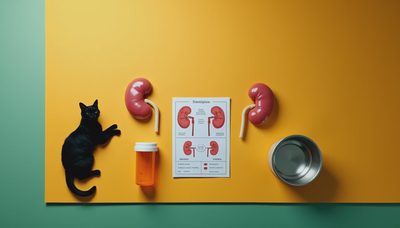
Healthy kidneys help regulate minerals, remove waste products, and balance fluids. When kidney function declines, phosphorus can accumulate in the bloodstream, and some dogs struggle with nausea, dehydration, or changes in appetite. A veterinary therapeutic diet is usually formulated with restricted phosphorus, adjusted protein, controlled sodium, adequate calories, and added omega-3 fatty acids from sources such as fish oil. The exact formula varies by product and by patient.
Protein deserves a clear explanation. Older advice sometimes treated all protein as the enemy. That is too simple. Dogs still need protein to maintain muscle, immune function, skin, and repair. The goal is generally enough high-quality protein, not an indiscriminate protein ban. Cutting food so aggressively that a dog loses weight can create a separate and serious problem.
Phosphorus is often the more important label question. Ingredients such as meat, dairy, bone, and certain mineral additives can contribute phosphorus, but the guaranteed analysis on a retail bag may not tell you the full phosphorus content. Prescription renal diets are tested and formulated for this purpose. Ask your veterinarian for the product's phosphorus information rather than trying to rank foods from the ingredient list alone.

How to choose food without getting trapped by marketing
A kidney diet for dogs should be selected with your veterinarian, especially after bloodwork confirms kidney disease. Common veterinary therapeutic lines include products from Hill's Prescription Diet, Royal Canin Veterinary Diet, and Purina Pro Plan Veterinary Diets. These companies offer formulas with different textures, aromas, and calorie densities, which matters when a dog is reluctant to eat. Brand names do not replace a medical recommendation, but a prescription formula can make nutrient control more reliable than guessing with over-the-counter food.
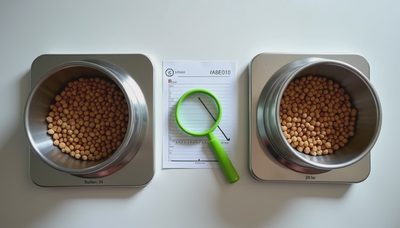
Flip the bag. Read the panel, but know what it can and cannot tell you. The ingredient list shows ingredients by weight before cooking; it does not show the finished diet's complete nutritional suitability for kidney disease. “Premium,” “natural,” and “holistic” are marketing terms, not proof that a food is kidney-supportive. Grain-free is not automatically better, and a short ingredient list is not automatically safer.
Wet and dry foods can both fit a plan. Canned food often provides more water and may be more appealing, while dry food can be convenient and calorie-dense. Some dogs do best with a combination. Warm canned food slightly, add a little warm water, or offer several small meals if nausea or poor appetite is an issue. Do not force-feed a new food during a period of vomiting without calling your veterinarian.
What about homemade meals and raw food?
Home cooking can work for some dogs, but a kidney diet for dogs made from internet recipes is a risky place to experiment. A recipe that looks wholesome may contain too much phosphorus, too little calcium, inadequate essential amino acids, or insufficient calories. Removing meat, adding rice, or sprinkling a supplement does not make a diet complete.
A veterinary nutritionist can formulate a recipe around your dog's laboratory values, preferences, calorie needs, and available ingredients. The recipe may include cooked egg, specific meats, starches, oils, and a precisely measured vitamin-mineral supplement. Precision matters: changing chicken thighs to ground beef or substituting a human supplement can substantially alter the nutrient profile.
Raw feeding raises additional concerns for a dog with chronic illness and for people in the household. Raw diets can contain harmful bacteria, and bones can add phosphorus while causing dental or gastrointestinal injuries. There is no established reason to choose raw food as a treatment for kidney disease. If your dog has been eating raw food, discuss a transition plan rather than making an abrupt change during a stressful medical episode.

Treats, toppers, and the small extras that add up
Even an excellent kidney diet for dogs can be undermined by a pocketful of high-phosphorus treats. Treats should usually provide no more than about 10 percent of daily calories, leaving at least 90 percent for the complete therapeutic diet. For a small dog, that allowance may be surprisingly modest.
Ask your veterinary team whether options such as small pieces of apple, green beans, or a portion of the prescribed canned food are appropriate. Avoid assuming that jerky, bully sticks, cheese, liver, sardines, and bones are harmless simply because your dog has eaten them before. Many are concentrated sources of protein or phosphorus. Treat calories also matter because weight loss and weight gain can both complicate disease management.
When giving medication, use the smallest compatible food portion. A spoonful of renal canned food may be more suitable than cheese, but the choice depends on the medicine and your dog's medical plan. Keep a written list of treats, toppers, supplements, and chew products so your veterinarian can assess the whole diet rather than just the main bag.
A simple feeding plan to discuss with your veterinarian
Start by recording your dog's current weight, appetite, water intake, vomiting, stool quality, and daily food amounts. Bring the food label, treat packages, and supplement bottles to the appointment. Your veterinarian may review creatinine, blood urea nitrogen, phosphorus, urine concentration, blood pressure, and other findings before recommending a diet.
Transition gradually over roughly seven days when your dog feels well: begin with mostly familiar food and a small amount of the new diet, then increase the new portion every day. Some dogs need two or three therapeutic foods offered in rotation to find an acceptable texture. Feed measured portions, and weigh your dog regularly at home or at the clinic.
If your dog refuses food, vomits repeatedly, becomes unusually weak, or cannot keep water down, do not wait for a food swap to solve the problem. Kidney disease can cause nausea and dehydration that require medical treatment. Appetite support, fluids, or anti-nausea medication may be needed before any diet will succeed.
The practical takeaway
The best kidney diet for dogs is the one that matches the dog's medical needs and is eaten consistently enough to maintain calories and muscle. Prescription renal foods are often the simplest evidence-based starting point, while carefully formulated home-cooked plans can be reasonable alternatives under professional supervision. Avoid dramatic ingredient bans, miracle supplements, and online recipes presented as universal cures.
Your action today is straightforward: flip the bag, read the panel, photograph the ingredient list and guaranteed analysis, and send those images to your veterinarian before changing your dog's food. That small step turns a confusing aisle into a useful conversation.



No notes yet — write the first one.