You are standing in the pet food aisle, reading words like phosphorus, protein, and renal support while your cat waits at home. A diagnosis of kidney failure in cats can make every meal feel like an exam you did not study for. Take a breath. Nutrition matters, but you do not have to solve the entire case by staring at a bag for ten minutes.
Chronic kidney disease is common in older cats, although younger cats can also develop serious kidney problems. The kidneys help regulate fluids, remove waste, and balance minerals. When their function declines, a cat can become dehydrated, nauseated, thin, or less interested in food. Food is part of treatment, alongside veterinary monitoring, medication when needed, and a plan for hydration.
What the diagnosis actually means
Kidney failure in cats is not one identical condition with one identical timeline. Your veterinarian may discuss blood urea nitrogen, creatinine, symmetric dimethylarginine, urine concentration, blood pressure, and urine protein. Those measurements help describe kidney function and disease severity. They also help the veterinary team decide how aggressively to manage nutrition and other complications.
The word failure sounds absolute, but many cats have meaningful quality time after diagnosis. Some have mild chronic kidney disease discovered on routine bloodwork. Others arrive dehydrated, vomiting, or refusing food and need immediate treatment. Acute kidney injury can sometimes improve substantially when the underlying problem is identified quickly. Chronic disease usually requires ongoing management rather than a one-time fix.
This is where a veterinarian matters. Kidney disease can look like dental pain, diabetes, hyperthyroidism, gastrointestinal illness, or simple aging. A blog cannot determine whether your cat needs fluids, anti-nausea medication, appetite support, hospitalization, or a specific diet.
Why a renal diet can help
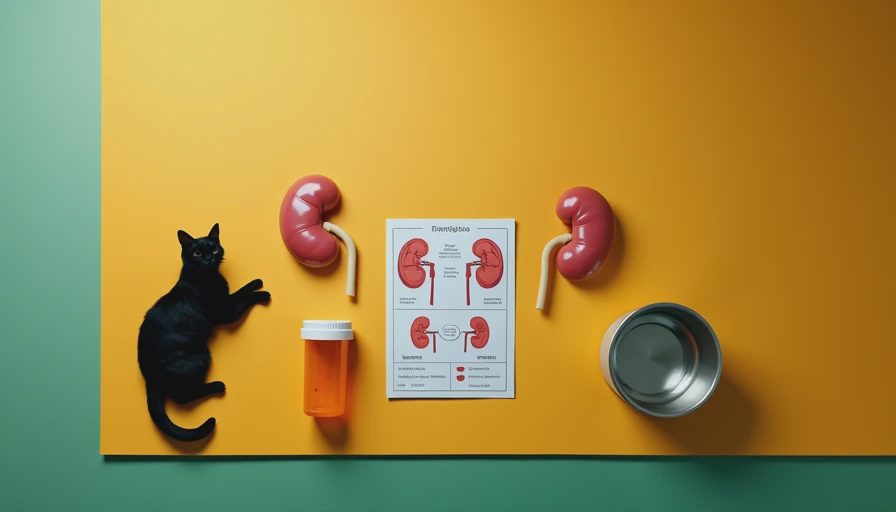
A therapeutic renal diet is designed to reduce the workload created by certain nutrients and waste products. It typically contains controlled phosphorus, adjusted protein, appropriate calories, and added omega-3 fatty acids or other formulation changes depending on the product. The goal is not to provide as little protein as possible. Cats need protein to maintain muscle, and excessive restriction can make weight loss worse.
Phosphorus deserves special attention. Damaged kidneys may have more difficulty managing phosphorus balance, so a lower-phosphorus food can be useful for many cats with chronic kidney disease. This is one reason prescription diets from companies such as Hill's, Royal Canin, and Purina are formulated differently from ordinary senior foods. A senior label does not automatically mean renal support.
Here's what the panel says — and what it doesn't. The guaranteed analysis may list crude protein and crude fat, but it often does not show phosphorus on the label. You may need the manufacturer’s nutrient data or your veterinarian’s recommendation to compare products accurately. Comparing only the ingredient list is also incomplete; ingredients are not a full nutrient profile.
For kidney failure in cats, the best food is often the therapeutic option the cat will reliably eat. A perfect nutrient profile is not helpful if a cat consumes two bites a day. Appetite is a clinical issue, not a behavior problem.
Hydration, calories, and the eating plan
Wet food can contribute more water than dry food, which is useful for many cats with kidney disease. Still, there is no universal rule that a cat must abandon kibble immediately. A cat eating a suitable dry renal diet, drinking well, and maintaining weight may be doing better than a cat who refuses every canned option. Water fountains, multiple bowls, and adding water to accepted food can help some cats, but forced changes can create food aversion.
Make transitions slowly when your cat is stable. Start by placing a small amount of the new food beside the familiar meal. If your cat accepts it, gradually adjust the ratio over several days. Warm wet food slightly to increase aroma, but avoid overheating it. Offer small, frequent meals in a quiet location. If the cat stops eating, call the veterinary office rather than turning dinner into a prolonged negotiation.
Weight and muscle are practical measurements. Ask your veterinarian to show you how to assess body condition and muscle along the spine and hips. A kitchen scale can track small changes at home. Losing weight, vomiting repeatedly, hiding, or refusing food for a day is a reason to seek guidance promptly, especially in an already ill cat.
Kidney failure in cats and common food mistakes
One common mistake is switching suddenly to a homemade recipe found online. Home cooking can be appropriate in selected cases, but a kidney-supportive recipe must be nutritionally complete and balanced for the individual cat. Removing meat, adding random supplements, or guessing at calcium and phosphorus can create new problems. A board-certified veterinary nutritionist can formulate a recipe when commercial diets are not workable.
Another mistake is assuming every supplement marketed for kidney support is proven or harmless. Products containing minerals may be inappropriate, and supplements can interact with medications or complicate laboratory results. Cranberry products, herbal blends, and “detox” powders are not substitutes for diagnosis or renal nutrition. Ask your veterinarian before adding anything beyond the prescribed plan.
Do not focus on protein alone. A low-protein food that fails to provide enough calories can contribute to muscle loss. A food with a reasonable protein level and controlled phosphorus may be more useful. The right balance depends on laboratory results, appetite, body condition, concurrent disease, and the cat’s response over time.

A simple plan for the next appointment
Bring the food package, a photo of the label, and a list of everything your cat eats, including treats. Record appetite, water intake if you can, vomiting, stool quality, medications, and weight. Ask whether the diagnosis is acute, chronic, or still being clarified. Ask which diet is appropriate now, whether phosphorus should be checked, and what signs should trigger an urgent call.
If your cat refuses the recommended food, say so plainly. Your veterinarian can discuss another renal formula, a gradual transition, appetite treatment, or a temporary bridge plan. Different cats accept different textures and flavors. A consultation with a veterinary nutritionist can be especially helpful when allergies, diabetes, inflammatory bowel disease, or severe food preferences complicate the choice.
For kidney failure in cats, success is usually measured in ordinary details: eating enough, staying hydrated, maintaining muscle, and enjoying familiar routines. Treatment is not about finding a magical ingredient. It is about managing the whole patient and adjusting the plan as new information appears.
The action you can take today is simple: flip the bag, read the panel, and write down the exact food, treats, and supplements your cat receives. Bring that record to your veterinarian. Good nutrition starts with accurate information, not a louder claim on the front of the package.




No notes yet — write the first one.