Standing in the dog-food aisle, by product meal dog food looks more alarming than it is. Flip the bag, and you will usually find a rendered animal ingredient that can provide protein, fat, vitamins, and minerals at a lower cost than many boutique recipes. The real question is not whether the word by-product appears. It is whether the food is complete and balanced for your dog’s life stage.
How by product meal dog food is made
By-products are the parts of the animal that are not muscle meat, such as organs and other edible tissues, depending on the species and the label. Meal means the material has been cooked down, dried, and ground into a concentrated ingredient. That process removes water, so the nutrient density goes up.
Chicken meal and chicken by-product meal are not the same ingredient, but both can be useful in a formula. One is more about muscle tissue; the other can include nutrient-rich organ tissue. Neither one is automatically good or bad. In practical terms, a formula with by-product meal is not a shortcut. It is a recipe choice, just like choosing rice over oats or salmon over chicken.
What the panel says about quality and nutrition
Here is what the panel says — and what it does not. An ingredient name does not tell you whether the diet is nutritionally sound. The AAFCO nutritional adequacy statement does. If the bag says the food is complete and balanced for adult maintenance, growth, or all life stages, that matters more than a single line in the ingredient list.
Mainstream brands such as Purina, Iams, Hill's Science Diet, and Royal Canin often use by-products in some recipes because they are building around nutrient targets, not just buzzwords. That does not make them perfect, and it does not make them cheap filler. It means the company is using ingredients that help hit amino acid, vitamin, and mineral goals. A 30-pound bag from a mainstream brand may run about $40 to $70, while some boutique formulas land higher with no clear nutrition advantage for a healthy dog. If you are feeding a 50-pound dog two cups a day, the difference between a $1.50 daily food and a $2.50 daily food adds up fast.
Common myths the panel does not support
A lot of label fear starts with half-truths. By-products are not the same as feathers, hooves, or mystery trash. In pet food, they come from inspected animals and can include organ tissue and other edible parts. Another myth is that lower price automatically means lower quality. Sometimes it just means the formula is built more efficiently and sold without the boutique markup.
A dog does not care whether nutrients arrived through chicken liver or chicken breast. The body cares about amino acids, digestibility, vitamins, minerals, and enough calories to stay in good condition. The panel also does not care what a TikTok creator thinks is gross. Terms like natural and premium are marketing words unless the rest of the label proves the food is complete and balanced. Here is what the panel says — and what it does not: the ingredient list can raise questions, but it rarely gives the full answer.
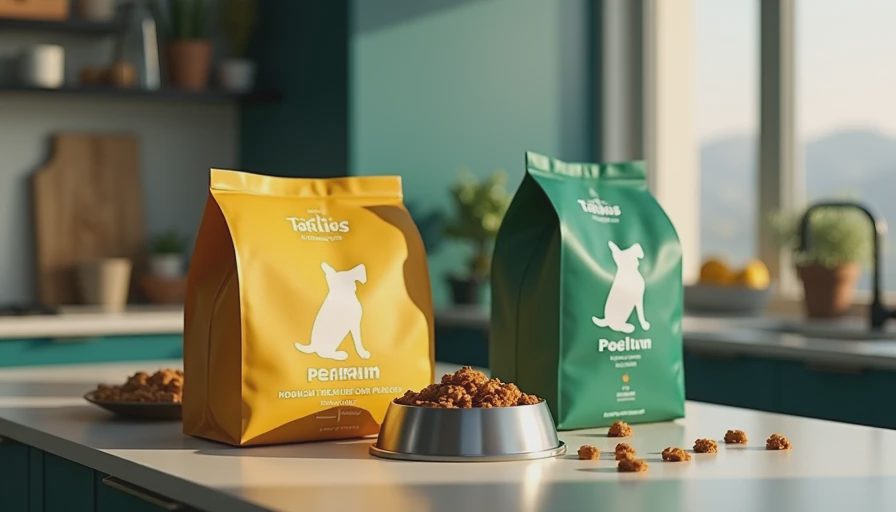
When by product meal dog food makes sense
This type of formula can make a lot of sense for healthy dogs whose families want solid nutrition without paying for marketing. It can also be practical for larger dogs that eat a lot, shelter adoptions settling into a new home, or any household where a $10 difference per bag matters. Some dogs do well on budget-friendly, mainstream recipes because the nutrient profile is steady and predictable. For picky eaters, the palatability of the finished food matters more than the ingredient headline.
It is not the first choice for every situation. If you are working through a true food allergy, you usually want a vet-guided elimination diet or a hydrolyzed protein diet, not a guess based on a label word. If your dog has pancreatitis, chronic diarrhea, or needs weight control, check the fat and calorie level too. The same ingredient can be fine in one recipe and a poor fit in another.
What to compare on the shelf
Start with the feeding statement, then look at the calorie count, then the guaranteed analysis. A 400-calorie cup sounds very different from a 300-calorie cup if your dog is overweight or underweight. A formula with 24 percent protein and 12 percent fat is not automatically better than one with 26 and 16; the right answer depends on the dog in front of you. Also look for the life-stage claim. Adult maintenance, puppy, and all life stages are not interchangeable.
A good by product meal dog food formula can still be a better buy than a flashy bag with vague meat marketing. If you can compare two foods side by side, check the first animal protein named, the calories per cup, and whether the company runs feeding trials or just meets minimum formulation rules. Foods that use by-products are not exempt from those standards, and they are not held to some lower bar just because the ingredient sounds plain.
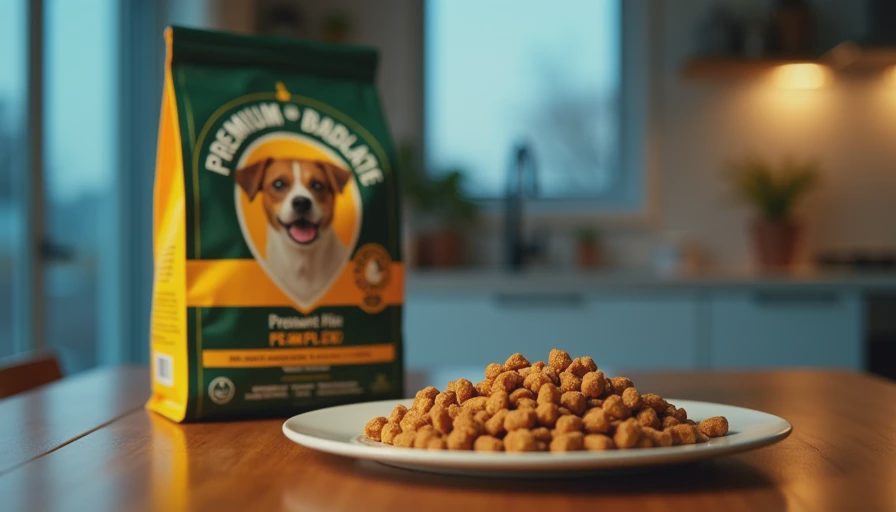
A simple shopping checklist before you buy
If your dog is healthy, your next move is simple. Flip the bag. Read the panel. Look for the AAFCO adequacy statement, confirm the life stage, and compare calories per cup before you worry about the front-of-bag claims. If the food is meant for a puppy, a senior, or weight loss, make sure that matches your dog. If the dog has kidney disease, recurrent vomiting, pancreatitis, or a suspected allergy, ask your veterinarian before changing diets. One ingredient seldom tells the whole story, but the panel usually tells enough to make a smart choice.
You do not need to fear by-product language, and you do not need to buy the most expensive bag to feed well. You need a food that fits your dog, your budget, and your routine. That is the part the store aisle rarely tells you.
Questions that come up at the counter
Does by-product meal automatically mean poor digestibility? No. Digestibility depends on the whole recipe and how the food is processed. Should every dog avoid it? Also no. Many healthy adult dogs do well on foods that use it, especially when the company has strong quality control and the label shows complete and balanced nutrition. If your dog has a medical condition, your veterinarian should guide the choice. If the current food is working, there is no prize for switching just because the front of the bag sounds more impressive. Flip the bag. Read the panel.




No notes yet — write the first one.