You are standing in the pet food aisle, holding a bag that says grain free dog food in large letters. Beside it is another bag labeled with chicken, brown rice, and a lower price. Which one is better? The honest answer is less dramatic than most internet arguments: grain-free is a formulation choice, not a quality guarantee. Some dogs need a diet without particular grains, while many healthy dogs digest grains comfortably. Let’s flip the bag and look at the information that actually matters.
What grain free dog food means
Grain free dog food does not contain wheat, corn, rice, barley, oats, or other cereal grains. Instead, manufacturers commonly use ingredients such as potatoes, peas, lentils, chickpeas, tapioca, or sweet potatoes to provide starch and help form kibble. Some formulas also use animal ingredients and vegetables without relying heavily on starch at all.
The phrase does not tell you whether a recipe is high in protein, low in carbohydrates, appropriate for a puppy, or made with superior ingredients. It also does not mean the food is free from every potential allergen. A grain-free recipe can still contain chicken, beef, dairy, egg, or another ingredient that causes trouble for an individual dog.
Here’s what the panel says—and what it doesn’t. The ingredient list tells you what goes into the recipe by weight before cooking, but it does not reveal the final nutrient balance by itself. A food with a fashionable first ingredient can still be poorly suited to your dog’s age, medical needs, or calorie requirement.

Does grain free dog food prevent allergies?
Usually, no. True food allergies in dogs are uncommon compared with environmental allergies, flea allergy, and nonallergic digestive upset. When a dog reacts to food, the trigger is more often an animal protein such as beef, chicken, or dairy than a grain. That is why simply switching from rice to peas may not solve itchy skin or recurrent ear infections.
A proper elimination diet is more useful when food allergy is a real concern. Under veterinary guidance, the dog eats a hydrolyzed-protein diet or a carefully selected novel-protein diet for a defined period, with no treats, table scraps, flavored medications, or scavenged snacks. If signs improve, your veterinarian may recommend a controlled challenge to identify the trigger. Randomly rotating retail foods can make this process longer and more expensive.
For digestive signs, the same principle applies. Vomiting, diarrhea, gas, or soft stool can have many causes, including parasites, infections, pancreatitis, sudden diet changes, and excessive treats. A grain-free label is not a diagnosis or a treatment plan.
What about heart health and grain-free diets?
In 2018, the U.S. Food and Drug Administration announced an investigation into reports of diet-associated dilated cardiomyopathy, or DCM, in dogs. Many reported diets were grain-free and contained substantial amounts of peas, lentils, other pulses, or potatoes. The issue is complicated: reported diets varied, the underlying mechanism has not been fully resolved, and the presence of grains alone does not prove a food is safe or unsafe.
Some dogs with DCM improved after diet changes and veterinary treatment, while others did not. That evidence is important, but it does not justify declaring every grain-free product dangerous. It does support taking diet history seriously, especially for dogs with heart murmurs, exercise intolerance, fainting, breathing changes, or a family history of heart disease.
If your dog eats grain free dog food and develops these signs, schedule a veterinary examination promptly. Do not add taurine, supplements, or a new diet on your own as a substitute for testing. Your veterinarian may recommend an examination, blood work, chest imaging, an echocardiogram, or referral to a veterinary cardiologist.
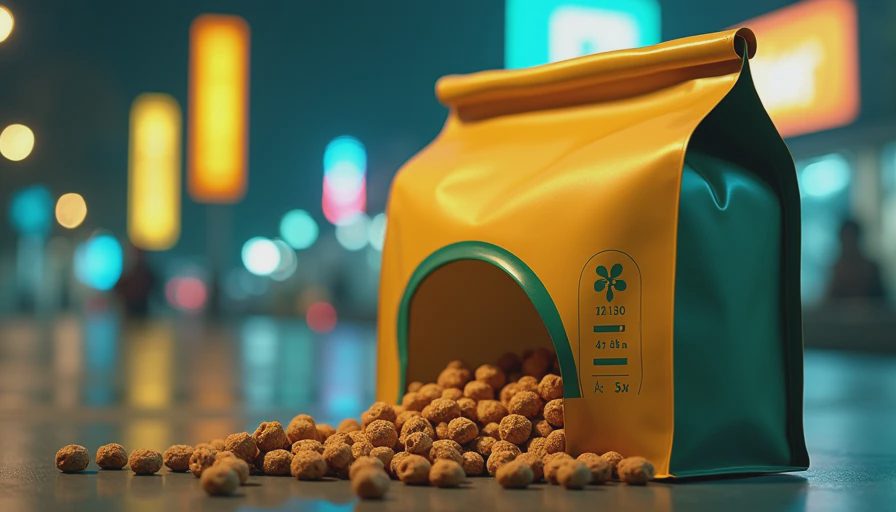
How to evaluate the bag in the store
Start with the nutritional adequacy statement. Look for wording showing that the food is complete and balanced for your dog’s life stage, such as maintenance for adult dogs, growth for puppies, or all life stages. A product labeled for intermittent or supplemental feeding is not designed to be the sole diet.
Next, check calories per cup or can. Two foods can appear similar on the shelf while differing by hundreds of calories per cup. A sedentary 45-pound adult dog and a growing Labrador puppy have very different energy needs. Feeding directions are a starting point, not a command; body condition and weight trends matter more than the measuring cup printed on the package.
Then read the guaranteed analysis. Protein and fat percentages can help with broad comparisons, but they are listed as-fed, meaning moisture affects the numbers. Dry and canned foods cannot be compared fairly without converting to a dry-matter basis. This is one reason a veterinary nutritionist or veterinarian can provide more useful interpretation than a quick glance at the front label.
Finally, look for information about the manufacturer’s quality control, nutrition expertise, and feeding trials. A company should be able to explain who formulates its diets and how it checks finished products. Words such as natural, holistic, premium, ancestral, and superfood are marketing terms, not proof of superior nutrition.
When grain free dog food might make sense
There are legitimate reasons a veterinarian might select grain free dog food. A dog may have a confirmed reaction to a specific grain, need a therapeutic diet with a particular ingredient profile, or simply do well on a complete and balanced formula that happens not to contain grains. In those situations, the decision should be based on the whole recipe and the dog’s response, not the absence of corn or wheat on the front of the bag.
A food change should be gradual whenever possible. Mix the current and new diets over about a week, increasing the new food step by step. Dogs with sensitive digestion may need a slower transition. Stop and contact your veterinarian if your dog has repeated vomiting, bloody diarrhea, marked lethargy, refuses food, or loses weight.
For a healthy adult dog already thriving on a grain-inclusive diet, there is no nutritional prize for changing simply because a package uses a louder claim. Likewise, a healthy dog eating a well-formulated grain-free diet does not automatically need an emergency switch. Gather the product details, consider your dog’s health history, and make a calm decision.
A practical decision for today
If you are shopping for grain free dog food, take a photo of the back panel before buying. Confirm that the recipe is complete and balanced for the right life stage, record its calories, identify its main protein sources, and check whether the company can answer basic formulation and quality-control questions. If your dog has heart disease, unexplained exercise changes, persistent gastrointestinal signs, or suspected allergies, bring that photo to your veterinarian.
The best diet is the one that meets your dog’s nutrient needs, fits the household budget, is consistently available, and keeps the dog at a healthy body condition. Grain-free is neither a magic upgrade nor an automatic hazard. Flip the bag. Read the panel. Then choose based on evidence rather than fear.



No notes yet — write the first one.