You are standing in the pet food aisle, holding two bags that look almost identical. One has a glossy front panel with a happy dog. The other has a long ingredient list and a quieter design. The nutritional adequacy statement is the line on the back that helps separate marketing from actual feeding claims. If you learn to read that one sentence, you can tell whether a food is meant to be a full meal, a life-stage match, or just a topper that was never designed to stand alone.
What the nutritional adequacy statement actually says
The nutritional adequacy statement is usually printed near the guaranteed analysis or feeding directions, and it is the closest thing a pet food label has to a plain-English promise. In the U.S., most brands use language tied to AAFCO profiles, which means the food is intended to be complete and balanced for a specific life stage, such as adult maintenance, growth, or all life stages. That matters because a food that is complete for an adult dog is not automatically right for a puppy, and a cat food made for growth is not the same thing as a snack.
There is another line worth noticing: some products say they are for intermittent or supplemental feeding only. That is the label’s way of saying, “This is not a full diet.” Broths, treats, toppers, and some canned products land there. Nothing is wrong with those foods, but they should not be treated like the main course. The nutritional adequacy statement is doing the heavy lifting here, even if the front of the bag is all about salmon, farms, and mountain streams.
A lot of owners assume the label is an approval stamp. It is not. AAFCO sets nutrient profiles and label language, but it does not approve individual foods. That distinction matters. The statement tells you what the company is claiming about the diet’s intended use, not that the food has been blessed by a regulator. That is a useful difference when you are trying to sort out whether a bag is a real meal or just clever branding.
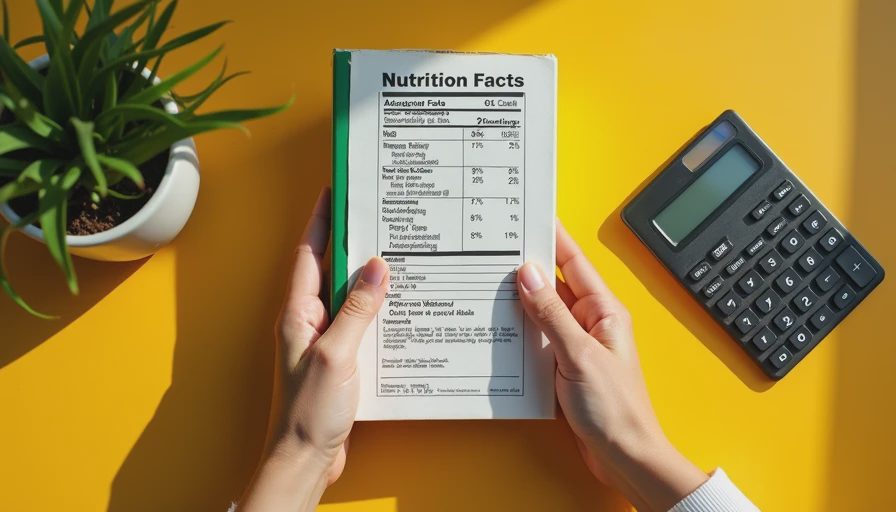
The two big phrases to watch for
The first phrase is complete and balanced. If you see that language, the food is saying it can meet the nutrient needs for the named life stage when fed as directed. The second phrase is the life stage itself. Adult maintenance is for healthy adults. Growth is for puppies and kittens, and in many cases gestation and lactation are included with growth because those phases raise nutrient demands. All life stages sounds convenient, but it can mean a denser formula that is not the best fit for every pet, especially one that gains weight easily.
The nutritional adequacy statement also tells you how the company reached that claim. Some foods are formulated to meet nutrient profiles on paper. Others have been through feeding trials, which means pets actually ate the diet under controlled conditions and the company collected data on how they did. Feeding trials are not magic, but they are a meaningful extra step. If a food has both formulation and trial support, that usually tells me the company took the claim seriously instead of just checking a box.
Here is what the panel says — and what it does not say. A food can be complete and balanced and still not be ideal for every dog or cat in your house. The statement does not tell you whether the kibble is highly digestible, whether the fatty acid balance is great for skin, or whether the calorie level fits an indoor cat who naps like it is a job. It only tells you the diet is intended to meet a nutritional target for a certain use.
What the statement does not tell you
This is where people get tripped up. A pretty ingredient list does not guarantee a better food, and a scary-sounding ingredient does not make a food worse. The nutritional adequacy statement is much more useful than the front-panel claims because it talks about function, not fantasy. But it still leaves out plenty. It does not tell you how many calories are in each cup, how much sodium is present, whether the food is made for a cat with urinary issues, or whether the protein level matches the pet in front of you.
It also does not tell you how the food will work for a pet with medical needs. A dog with pancreatitis, a cat with chronic kidney disease, or a puppy with a sensitive stomach may need something more specific than a general adult formula. That is why I always tell owners to use the label as the first filter, not the final answer. The nutritional adequacy statement narrows the field, but it does not replace a conversation with your veterinarian when there is a health problem in the picture.
The same goes for diet trends. Grain-free, raw, ancestral, limited ingredient, high protein, fresh, air-dried, and freeze-dried all sound decisive on the front of the package. The back panel is where those claims meet reality. If the food is not clearly complete and balanced for your pet’s life stage, the marketing language does not matter. A bag can talk about wild-caught everything and still be a poor everyday diet if the nutrition claim is thin or missing.

How I use it when I flip the bag
When I compare brands, I start with the nutritional adequacy statement before I read almost anything else. If I see adult maintenance for a healthy adult dog, that is a reasonable place to start. If I see growth for a puppy, that works only if the puppy is actually in that stage. If I see intermittent or supplemental feeding only, I move it out of the main-diet pile immediately. That simple triage saves time and keeps people from buying a product that was never meant to carry the whole feeding plan.
This is also where bigger companies often look stronger on paper. Brands such as Hill’s, Purina, and Royal Canin commonly put more effort into feeding trials, research, and veterinary nutrition staff, which is one reason their labels often read more clearly. That does not mean every product they make is right for every pet, and it does not mean a smaller brand is automatically wrong. It does mean the label gives you a better window into the company’s process. When I see that kind of detail, I trust the food a little more because I can see what the company is trying to prove.
If you want a practical comparison, picture two chicken diets at the store. One says complete and balanced for adult maintenance and gives normal feeding directions. The other says gourmet chicken entrée for all dogs, but the fine print says supplement only. The first one can be a true meal. The second one might be a nice add-on, but it is not built to stand on its own. That difference is worth real money, because feeding a topper like a staple food is how people accidentally create nutritional gaps.
A simple store-aisle check you can do today
Pick up the bag and find the nutritional adequacy statement before you study the ingredient list. Read the life stage first. Then read whether it says complete and balanced or intermittent or supplemental feeding only. After that, look for feeding directions and calories if the package gives them. If the label still feels vague, that is a signal to keep shopping, not a reason to guess.
I would use the same approach for a dog with a sensitive stomach, a cat who needs weight control, or a healthy pet who simply needs a reliable everyday diet. Start with the label claim, then match the life stage, then decide whether the food fits the rest of the picture. If the nutritional adequacy statement says the diet is not meant to be a full meal, believe it. If it says complete and balanced, that is your cue to compare price, calories, and how your pet actually does on it.
If you remember one thing, remember this: the front of the bag sells the story, but the nutritional adequacy statement tells you whether the story is meant to be dinner. Flip the bag. Read the panel. And if your pet has a medical condition, ask your veterinarian which life stage and diet type fit best before you switch.





No notes yet — write the first one.