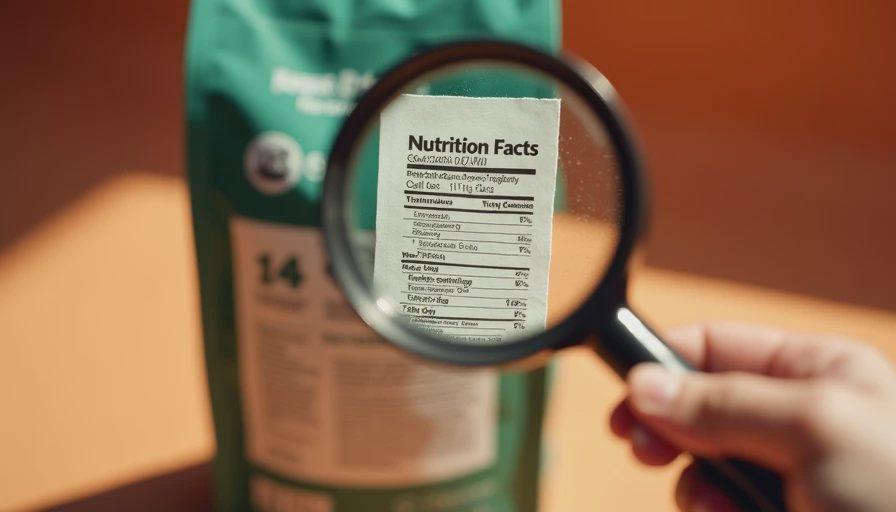
You are standing in the aisle with a cart, a dog or cat at home, and three bags that all look convincing. Pet food labeling rules are useful, but only if you know what they can and cannot tell you. The front of the bag is there to catch your eye. The back of the bag is where the useful information lives. Flip the bag. Read the panel. That is the whole trick, and it saves a lot of second-guessing.
Here is what the panel says — and what it doesn't. It can tell you whether a food is meant for puppies, adults, or all life stages. It can show you the guaranteed analysis, the calorie density, and the feeding directions. It cannot tell you whether your picky cat will lick the bowl clean, whether your senior Labrador will lose a pound, or whether a formula is the best fit for a pet with medical needs. For that, you need a little translation.
What the front of the bag is really selling
The first thing to know about pet food labeling rules is that the front of the bag is marketing, not the full nutrition story. Words like natural, premium, grain-free, or high protein are not automatically bad or good. They are just broad claims, and broad claims are easy to decorate with pictures of chickens, fields, and heroic-looking wolves. What matters more is whether the food is complete and balanced for the right life stage.
Ingredient order sounds important, but it is based on weight before cooking. That means fresh chicken will usually list before chicken meal because raw meat carries a lot of water. After processing, the math changes. A meal ingredient can be a concentrated source of protein, while a fresh meat ingredient can shrink a lot once the moisture is removed. That is why ingredient lists deserve context, not panic.
If a bag says for intermittent or supplemental feeding only, that is not a complete diet. If it says complete and balanced, you still need the rest of the panel to see how that claim was made. That is where real buying decisions start.
The numbers that matter more than the slogan
The guaranteed analysis is the box most owners skip, and it is one of the most useful parts of the label. It gives minimum protein and fat, plus maximum fiber and moisture. Those numbers are not a perfect comparison tool because they are listed on an as-fed basis, which means wet foods and dry foods do not compare cleanly without a little math. A canned food can look low in protein on the label and still deliver plenty once moisture is removed.
Calories matter even more than protein percentages for weight control. Two foods can both say high protein, but one may have far more calories per cup. If a 50-pound dog eats 2 cups of one kibble and 3 cups of another to maintain the same weight, the second food may cost less per bag but more per day. That is the kind of detail the panel can reveal if you bother to read it.
Feeding directions are a starting point, not a law of nature. They are usually written for average pets, not the one in your kitchen who sleeps on a couch and begs like a professional.

What the panel says — and what it doesn't
Pet food labeling rules also leave out digestibility, stool quality, and whether a specific pet actually thrives on the food. Two diets can have similar guaranteed analyses and very different real-world results. One may produce smaller stools and better coat quality. Another may leave a dog gassy enough to clear a room. The label will not warn you about that.
The adequacy statement is the line I want you to find next. Look for wording like formulated to meet the nutritional levels established by AAFCO for growth, maintenance, or all life stages. That tells you the food is intended to be complete and balanced for a certain purpose. If a food was tested by feeding trial, that is useful too, because it means live animals were fed the diet under controlled conditions rather than the formula only being checked on paper.
This is also where marketing terms can get slippery. Grain-free does not automatically mean better. By-product is not a dirty word; it can include nutritious organ meat. Chicken meal is not a mystery ingredient; it is chicken with much of the water removed, which makes it nutrient-dense. Here, the panel says one thing, and the grocery-store anxiety says another. Trust the first, not the fear.
How to compare two bags without losing your mind
When you are comparing options, do not stare at one line and call it a day. Start with the life-stage statement, then check calories, then compare the feeding guide. A 30-pound bag that costs $45 is not always cheaper than a 24-pound bag that costs $60. If the more expensive food is calorie dense and you feed less of it, the daily cost can land close, or even come out lower.
This is where specific brands can help as examples, even if no single brand is right for every pet. Mainstream lines from Purina, Hill's, Royal Canin, and Iams often give you clearer labeling and more complete product information than bargain formulas that lean on front-panel hype. That does not make them magical. It just makes the shopping math easier.
If you are choosing for a healthy adult dog or cat, compare like with like. Adult maintenance to adult maintenance. Small bites to small bites. Wet to wet. Dry to dry. The fastest way to make a decent decision is to stop comparing a canned food to a kibble and then pretending the label numbers mean the same thing.
A quick store-aisle example
Imagine two chicken-based foods sitting side by side. Food A costs less per bag and says chicken first, grain-free, with added probiotics. Food B costs a little more and says complete and balanced for adult maintenance, with a feeding guide that is based on calories and a clear AAFCO statement. If your dog does well on both, Food B may be the safer buy simply because it gives you more information.
Now imagine your cat is gaining weight. The cheaper food might look appealing until you notice the calorie count and realize the cat needs only a little more than a cup a day, while another formula needs less volume for the same calories. That changes the daily cost and the satiety story. The label cannot tell you everything, but it can tell you enough to avoid expensive mistakes.
This is the part owners usually appreciate most: a better-looking bag is not always a better-value bag. Sometimes the expensive one is fluff, and sometimes the budget option is perfectly sensible. The label is how you tell the difference.
When to ask your veterinarian before buying
If your pet is growing, pregnant, nursing, has kidney disease, food allergy concerns, chronic vomiting, or needs weight loss help, bring your veterinarian into the decision. That is not me dodging the question. That is me keeping you away from a bad guess. Medical nutrition gets specific fast, and a label cannot replace an exam, a history, or lab work.
Prescription diets, hydrolyzed protein diets, and kidney-support formulas are built for particular jobs. They should be chosen for a reason, not because the front of the bag sounds clinical. The same is true for raw, home-cooked, and boutique diets. A label can tell you how a company is describing the food. It cannot tell you whether that food matches the pet in front of you.
If you want a simple rule for the next shopping trip, use this: pick the right life stage first, then check calories, then look at the adequacy statement, then decide whether the feeding guide matches your budget. Used this way, pet food labeling rules become a shopping tool instead of a source of stress.
Used this way, pet food labeling rules let you buy with confidence instead of hope. Flip the bag. Read the panel. Compare the calorie statement, the adequacy statement, and the feeding guide before you put it in the cart.





No notes yet — write the first one.