If you've ever stood in the pet food aisle with a bag in one hand and your phone in the other, you're in good company. Preservatives in pet food sound alarming at first, but the real job is simple: keep fats from going rancid and keep food safe and palatable long enough for your dog or cat to eat it. That is not the same thing as stuffing a recipe with junk. The question is whether the preservative system matches the food type and the pet eating it.
Why the ingredient exists at all
Most preservatives in pet food are there because fat is fragile. Chicken fat, fish oil, and other animal fats can oxidize when they sit in heat, light, or air. Once that happens, the food can smell stale, taste off, and lose nutritional quality. Antioxidants slow that process down, which is why a kibble bag can sit on a store shelf for weeks without turning into a science project.
The conversation gets messy because people hear the word "preservative" and picture an industrial chemical. In reality, the category includes very ordinary ingredients. Mixed tocopherols are vitamin E compounds. Ascorbic acid is vitamin C. Citric acid helps in some formulas. Rosemary extract can act as an antioxidant too. The point is not whether something sounds botanical enough for a marketing slogan. The point is whether it does the job and whether the overall formula is appropriate for the pet.
Here's what the panel says — and what it doesn't. The ingredient list can tell you which preservative is used, but it will not tell you whether the food was manufactured well, stored badly, or left open in a hot garage for three weeks. That part is on us.
Natural does not automatically mean safer
The conversation about preservatives in pet food often turns into a false contest between "natural" and "synthetic." That is a marketing fight, not a nutrition one. A synthetic antioxidant is not automatically risky, and a plant-derived one is not automatically better. What matters is the dose, the food matrix, and the data behind the ingredient.
A classic example is BHA and BHT. Those names make some shoppers nervous because they sound like chemistry class, but they have been used for decades in very small amounts to protect fats. Mixed tocopherols, by contrast, are often advertised as a cleaner choice because they sound familiar and come from vitamin E sources. In practice, both can be used appropriately. A formula with no artificial preservatives is not necessarily more wholesome; it may simply use tocopherols or rely on packaging and lower moisture exposure.
For a lot of owners, the best question is not "Is this natural?" It is "Does this food stay stable until my pet finishes it?" That is especially important for fish-based diets, high-fat kibbles, and treats that sit around between feedings.
Dry food, canned food, and treats are not the same
For dry kibble, preservatives in pet food do a real and necessary job because the food contains fat and is meant to stay shelf stable. If the label says the kibble is preserved with mixed tocopherols, that usually means the company is using vitamin E-based antioxidants rather than a more synthetic system. That can be perfectly reasonable. It is also common for premium formulas to market themselves around this point because shoppers like to see familiar terms.
Canned food is different. The canning process itself uses heat to make the food shelf stable, so it generally needs less help from preservatives in the same way dry food does. Once opened, though, it behaves like any cooked food in your fridge. Spoilage becomes a storage problem, not just a label problem.
Treats and jerky-style products deserve extra attention because they are often eaten slowly over days or weeks. They can pick up moisture, go stale, or become rancid before the bag is empty. If your dog gets a soft treat out of a giant pouch every afternoon, the clock matters. The same goes for freeze-dried products once the package has been opened and exposed to air.
What to read on the label
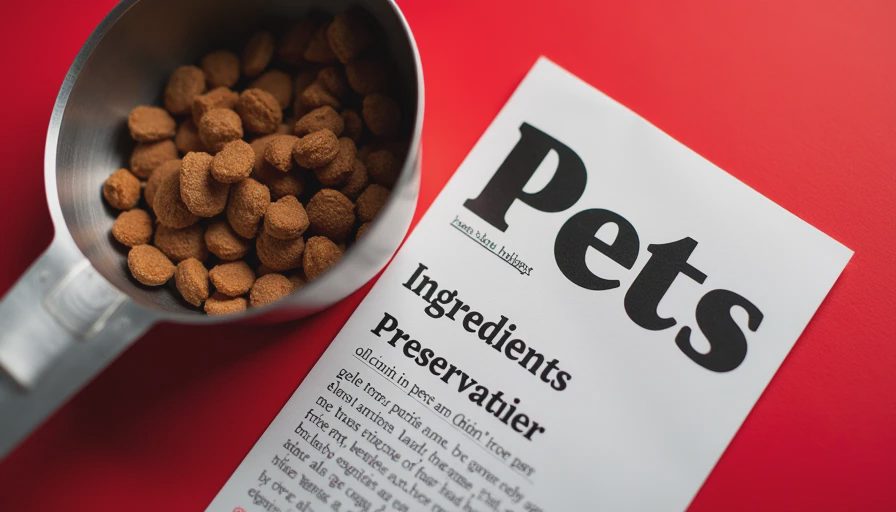
If you want to compare preservatives in pet food on a shelf, start by scanning the ingredient list for the actual antioxidant system. Look for mixed tocopherols, tocopherols, rosemary extract, ascorbic acid, citric acid, BHA, or BHT. That list does not tell you everything, but it tells you what kind of protection the food is getting.
Then read the package claims with a skeptical eye. "No artificial preservatives" sounds reassuring, but it does not mean "no preservatives". It usually means the company is using a different preservation strategy. That could be fine. It could also mean the food depends more on packaging, lower fat content, or a shorter shelf life. None of those are bad by themselves. They just change how you should store and use the food.
I also tell owners to look at the date on the bag or can and to buy a size they can finish in a reasonable window. A giant bag looks cheap until the last quarter sits open for two months and the fat starts to smell stale. Smaller bags often cost a little more per pound, but they can be smarter for dogs and cats that eat slowly.

When to pay closer attention
There are a few situations where preservatives in pet food deserve a closer look. If a dog or cat has a sensitive stomach, a confirmed food allergy, or a medical diet for kidney disease, urinary issues, or weight control, the whole recipe matters more than a single ingredient line. The preservative choice is still worth understanding, but it is rarely the deciding factor.
If your pet refuses a food that used to be fine, check storage first. Heat, oxygen, and time can change smell and flavor enough to cause picky eating. If the bag has been opened for a while, if the food was stored in a warm pantry, or if the treat pouch was left in a car, the preservative system may not be able to save it from bad handling.
The practical rule is straightforward. Choose a food from a reputable manufacturer with clear labeling, store it sealed in a cool dry place, and do not buy more than you can use before the freshness window closes. If the label still feels confusing, that is exactly the kind of question a board-certified veterinary nutritionist can sort out without turning your whole shopping trip into a debate club.
Once you know how preservatives in pet food work, the bag gets a lot less mysterious. Flip the bag. Read the panel. If the ingredient list, package size, and storage plan all make sense, you are probably looking at a reasonable choice for your dog or cat.





No notes yet — write the first one.