The question usually comes up in the pet-food aisle, right after someone has stared at three freezers, a wall of kibble, and a social video that made everything sound urgent. Raw dog food can look simple on the surface: meat, organs, maybe bone, maybe produce, sold with a clean front label and a promise that fresh means better. Here’s what the panel says — and what it doesn’t. The back of the bag tells you about nutrients, calories, and handling. It does not magically prove that the diet is safer, cleaner, or better for every dog. If you want to compare it with anything else on the shelf, start by reading the fine print, not the marketing.
What the panel actually tells you
If a package of raw dog food is worth considering, the first place to look is the nutritional adequacy statement. That line tells you whether the food is intended for adult maintenance, growth, or all life stages, and whether it was formulated to meet AAFCO nutrient profiles or passed a feeding trial. That is useful. It is not a safety stamp.
The ingredient list matters, but not the way most ads pretend. Chicken, beef, lamb, liver, and mixed produce all sound friendly, yet the panel is mostly there to tell you what is in the recipe, not whether the recipe is balanced over time. A bag can look wholesome and still miss calcium, zinc, or essential fatty acids if it was assembled poorly. A good nutrition panel also tells you the calorie density, which matters if the dog is already overweight or eats like a vacuum.
The risks you can see before you open the bag
The biggest issue with raw dog food is not a mystery ingredient. It is biology. Raw meat can carry Salmonella, Listeria, and other organisms that do not care how premium the marketing copy sounds. Freezing slows some things down; it does not sterilize anything. Once the food is thawed and handled, the countertop, bowls, hands, and dog’s mouth all become part of the equation.
Bone content is another practical issue. Some raw diets include ground bone, and some include larger pieces. Either way, the risk is not imaginary. Teeth can fracture. A dog can gulp down a chunk that sits badly in the stomach or intestine.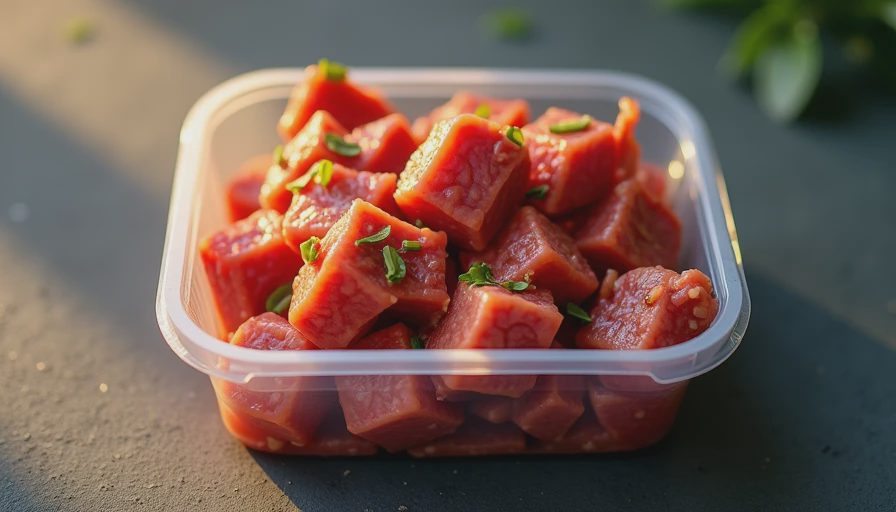
Households with toddlers, older adults, or anyone with a weaker immune system should think especially hard about the extra cleanup and exposure.
Cost, freezer space, and convenience
This is where raw feeding often loses people who liked the idea but not the logistics. Frozen patties, chubs, and nuggets usually cost more than a solid kibble. For a medium dog, a daily cost in the $4 to $8 range is common, and specialty formulas can climb higher. A standard dry diet often lands closer to $1 to $3 a day, depending on brand and portion size.
Storage is the other bill you pay. A week’s worth can take up real freezer room, and thawing has to be planned, not improvised at 7 p.m. after soccer practice. If your dog boards, goes to daycare, or tags along on road trips, the routine gets harder fast. Some owners love the ritual. Others get tired of washing tubs and measuring frozen portions before their coffee is even cold. That is before supplements or specialty toppers enter the budget.
When this style of feeding is a poor fit
I am not going to call every raw plan a bad idea, because that would be lazy. But some situations make me much more cautious. Dogs with a history of food hygiene problems in the home, people who hate food prep, and any household that cannot keep pet bowls out of the human dish pile are already working uphill. Raw dog food also becomes trickier when a dog has a medical diet prescription, a history of pancreatitis, or a need for a very specific calorie target.
The dental sales pitch deserves a reality check too. Chewing on bones is not a dental cleaning plan. It is more like giving a dog a hard snack and hoping the teeth survive. If a dental benefit is the main reason someone is interested, there are safer options with better evidence, including VOHC-approved dental diets and chews.
How to compare products without the marketing fog
Here’s the quickest filter I use: look for a clear manufacturer name, a complete and balanced statement, an accurate calorie listing, and a feeding guide that makes sense for the dog’s current weight and body condition. If the panel is vague about calcium, vitamins, or how the product is meant to be fed, that is a warning sign. If the company cannot explain quality control in plain English, I get suspicious fast.
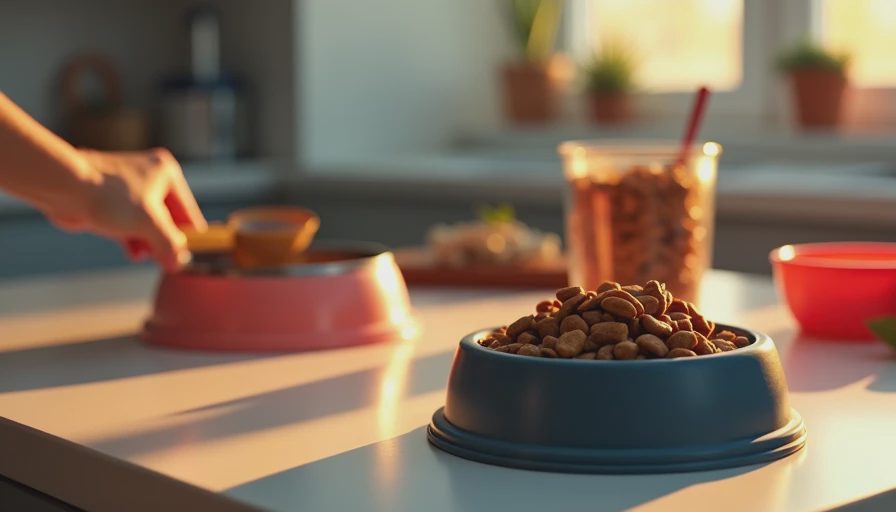
This is also where raw dog food marketing likes to blur the line between frozen, freeze-dried, and dehydrated products. Those are not the same thing, and they do not have the same handling needs or moisture content. A freeze-dried product can be shelf-stable, but it still needs a solid nutritional statement. A frozen product may look fresher, but freshness is not a synonym for complete nutrition.
What I tell a cautious owner in the exam room
If a dog is thriving on another diet, there is no prize for changing it just because the freezer aisle looks impressive. If a family wants to try raw dog food anyway, I tell them to do it with eyes open, not by vibe. Start with the exact product, the feeding instructions, and the dog’s age, body condition, and medical history. Ask your veterinarian whether the plan fits the pet in front of you, not the idea in your head.
If the answer is still yes, keep food handling boring and disciplined: wash bowls, wash hands, refrigerate leftovers quickly, and do not let the bag live on the counter like a loaf of bread. That advice sounds unglamorous because it is. Nutrition works better when it is boring and repeatable than when it is dramatic. A good veterinarian will treat this like a ration plan, not a religion.
If you are standing in the aisle today, flip the bag, read the panel, and compare the whole picture before you buy.



No notes yet — write the first one.