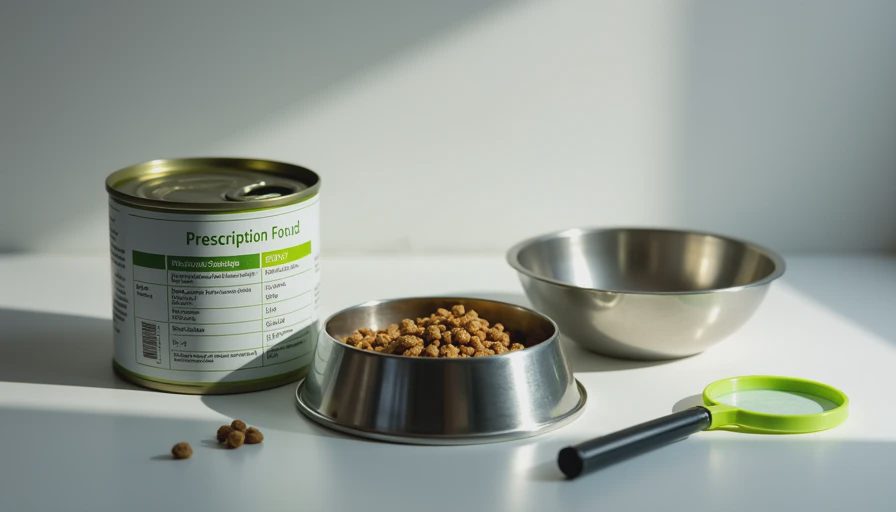
The Standoff at the Bowl
The veterinarian has diagnosed kidney disease, urinary crystals, or another condition that requires a therapeutic diet. The prescription food arrives. The cat sniffs it, walks away, and returns to the empty spot where the old food used to be. By day three the owner is anxious, the cat is vocal, and the medical plan is already at risk.
This is one of the most frequent calls I receive. Cats are specialists at declining food that does not meet their personal criteria, and many therapeutic diets have aroma, texture, or flavor profiles that differ from the foods the cat has preferred for years. Simply insisting “this is the food now” often fails. Abandoning the diet entirely can also fail the medical goal.
What follows is the practical sequence I use when a cat refuses the prescribed food. It is not a license to ignore the diagnosis. It is a set of workarounds that preserve as much of the therapeutic benefit as possible while keeping the cat eating.
Step 1: Confirm the Refusal Is Real and Measure It
First, make sure the cat is truly refusing the new food rather than reacting to stress, pain, nausea, or a concurrent medical problem. A cat that has just been diagnosed with a systemic illness may have a reduced appetite for any food. Treating nausea, controlling pain, and giving the cat a quiet environment sometimes restore interest before any diet change is needed.
Weigh the cat and record daily intake. “Not eating well” needs numbers. A cat that is consuming 70 % of its calculated requirement is in a different situation from one that is consuming 20 %.
Step 2: Transition Tactics That Actually Help
Abrupt switches rarely succeed with cats. A slower transition—mixing increasing amounts of the new food with the old over 7–14 days—gives the cat time to accept the new aroma and texture. Some cats still refuse. In those cases I move to texture and temperature adjustments:
Warm the food slightly to increase aroma (body temperature, not hot).
Offer both pâté and shredded textures if the product line allows.
Add a small amount of warm water or the liquid from a tuna packed in water (not oil) to change mouthfeel and smell, then gradually reduce the additive.
Feed in a quiet location away from other pets and household traffic.
These steps do not change the nutrient profile dramatically if the added amounts stay small. They often restart eating.
Step 3: The Controlled Topper Approach
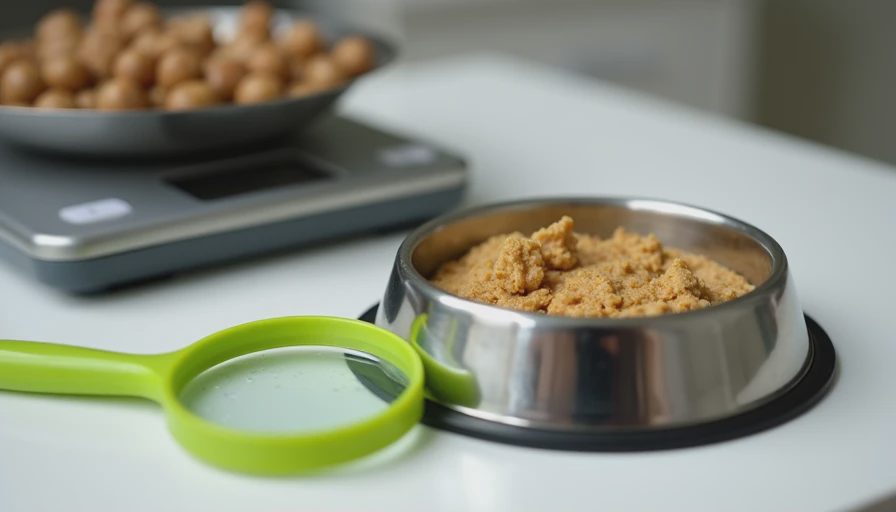
When the cat still refuses, a limited topper can be used as a bridge. The key word is limited. The topper must be low in the nutrients the therapeutic diet is designed to control (for example, low phosphorus for kidney diets, controlled mineral content for urinary diets).
Options I commonly discuss with the primary veterinarian:
A small measured amount of a compatible low-phosphorus wet food
A veterinary recovery or highly palatable critical-care diet used only as a flavor enhancer in tiny quantities
In some cases, a carefully chosen human food (plain cooked chicken breast or similar) in gram amounts that do not meaningfully alter the overall nutrient profile
Every topper addition dilutes the therapeutic effect. The goal is the smallest amount that restarts eating, followed by a gradual reduction as the cat accepts more of the prescription food.
Step 4: When a Different Therapeutic Product Is Needed
Not every prescription diet within a therapeutic category is identical in flavor or texture. If one renal diet is refused, another brand or format (dry versus wet, different protein source) within the same nutrient guidelines may be accepted. I keep a short list of alternatives that meet the same clinical targets and rotate only among those options.
Switching to an over-the-counter food that merely “looks similar” usually abandons the medical reason for the prescription. That step should be a last resort and should be discussed with the veterinarian so that monitoring can be adjusted accordingly.
Step 5: Assisted Feeding and Appetite Support
If intake remains critically low, appetite stimulants prescribed by the veterinarian, anti-nausea medication, or short-term assisted feeding (syringe feeding a recovery diet) may be required to prevent hepatic lipidosis. Cats that stop eating are at real risk of secondary liver complications. Getting calories in, even imperfectly, takes priority over perfect nutrient precision in the acute phase.
Once the cat is eating voluntarily again, we return to the project of maximizing the proportion of the therapeutic diet in the daily intake.
Long-Term Reality for Difficult Cats
Some cats never fully accept the ideal prescription food. In those cases the practical goal becomes “the best nutrient profile the cat will actually eat consistently.” That may mean a mixed feeding plan, a different therapeutic product, or a home-prepared diet formulated by a veterinary nutritionist to meet the clinical targets while matching the cat’s texture and flavor preferences.
The hierarchy stays the same: keep the cat eating, keep the critical nutrients as close as possible to the therapeutic targets, and monitor the clinical and laboratory response so adjustments can be made.
What I Tell Owners at the Start
“Your cat has to eat. The perfect diet that sits untouched is not perfect. We will work through a series of controlled compromises until we find the version that meets the medical need and that your cat will finish.”
That framing reduces the guilt many owners feel when the first bag is refused. It also keeps the focus on measurable intake and laboratory trends rather than on winning a willpower contest with the cat.
Practical Bottom Line
Cat prescription-diet refusal is common and solvable in most cases. Start with a slow transition and simple sensory adjustments. Use minimal, compatible toppers only as needed. Rotate among true therapeutic alternatives before abandoning the nutrient targets. Escalate to medical appetite support if intake becomes dangerous. Monitor weight and laboratory values so every compromise is informed.
The goal is not a perfect bowl that the cat ignores. The goal is a bowl the cat will eat that still does the medical job as well as the individual patient will allow.
Flip the bag if you need to remind yourself of the nutrient targets. Then watch the cat. The workable solution is the one that ends up empty at the end of the day.

No notes yet — write the first one.