You are standing in the kitchen with a jar of peanut butter in one hand and a hopeful dog at your feet. Dog treat recipes peanut butter can be simple, inexpensive, and useful for training, but homemade does not automatically mean nutritionally complete or risk-free. The details matter: the peanut butter label, the serving size, the dough ingredients, and your dog's medical history all belong in the recipe.
I approach homemade treats the same way I approach a pet food label: start with safety, then consider nutrition, then worry about whether the dog likes the result. Most healthy dogs can enjoy an occasional baked treat, but treats should remain a small part of daily calories. They are extras, not a replacement for a complete and balanced dog food.
Choose peanut butter by reading the label
The most important ingredient decision is not whether the jar says creamy or crunchy. It is whether the product contains xylitol, a sweetener that can cause a dangerous drop in blood sugar and potentially liver injury in dogs. Some peanut and nut butters use xylitol, sometimes listed under the name birch sugar. Read the ingredient panel every time, especially if you switch brands.
Choose plain peanut butter without xylitol, chocolate, cocoa, raisins, or added sweeteners. A short ingredient list containing peanuts, and perhaps salt, is easier to evaluate. Reduced-sugar products are not necessarily safer, and heavily salted peanut butter adds sodium without offering a benefit. A small amount of ordinary peanut butter is generally more practical than a specialty spread with several flavorings.
Fat is another consideration. Peanut butter is calorie-dense, so a tablespoon can contribute roughly 90 calories, depending on the product. That is a meaningful amount for a small dog. For training treats, use a quarter teaspoon or less per bite, or thin the peanut butter with water and spread a very small amount through the dough. Dogs do not need a thick frosting layer to recognize a tasty reward.
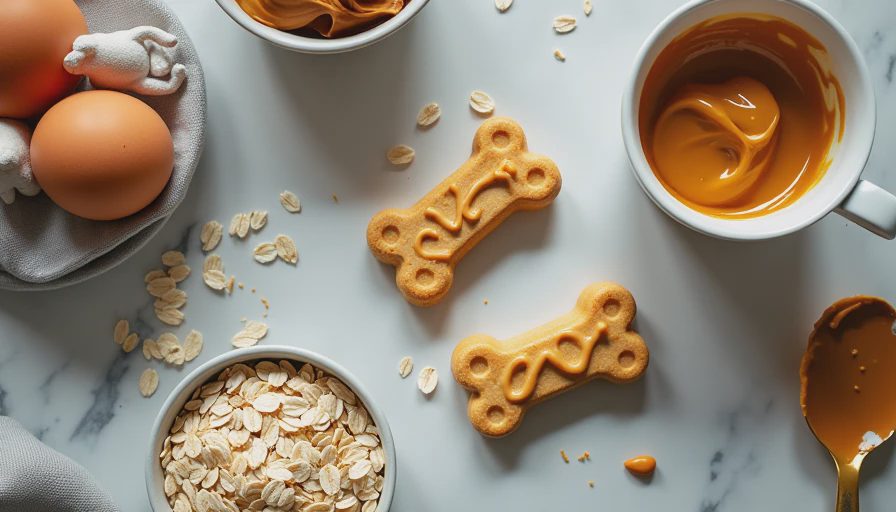
Three dependable dog treat recipes peanut butter ideas
The first option is a basic baked biscuit. Combine one cup of whole-wheat flour or oat flour with half a cup of plain pumpkin puree, two tablespoons of xylitol-free peanut butter, and enough water to make a firm dough. Roll it about one-quarter inch thick, cut small shapes, and bake at 325 degrees Fahrenheit until dry and firm, usually 25 to 35 minutes depending on size. Let the biscuits cool completely before storing them.
For a softer treat, mash one ripe banana with two tablespoons of peanut butter and one egg. Stir in about one and one-half cups of oat flour until the mixture holds together. Scoop teaspoon-sized portions onto a lined baking sheet and flatten them. Bake at 325 degrees for approximately 12 to 16 minutes. These are moist treats, so refrigerate them and use them within several days rather than leaving them in a container for weeks.
A no-bake frozen option works well during warm weather. Mix plain unsweetened yogurt with a small amount of peanut butter and spoon the mixture into tiny silicone molds. Freeze until solid. Use plain yogurt only if your dog tolerates dairy; some dogs develop gas or loose stool after dairy products. The mold size matters because a large frozen puck can contain more calories than you expect.
These dog treat recipes peanut butter variations are starting points, not rigid formulas. You can replace wheat flour with oat flour for a different texture, but do not assume that grain-free automatically means healthier. Likewise, pumpkin can add moisture and fiber, but it does not turn a cookie into a complete diet.
Ingredients that do not belong in the bowl
Several common baking ingredients are unsafe for dogs. Chocolate and cocoa contain methylxanthines that can cause illness. Raisins and grapes have been associated with kidney injury, and the toxic amount is unpredictable. Macadamia nuts can also cause problems. Skip onion, garlic, alcohol, coffee, and raw yeast dough. Sugar-free products deserve special caution because xylitol may appear in foods that do not look like candy.
Be careful with human recipe habits, too. A little cinnamon is not the same concern as nutmeg, and rich frosting adds unnecessary fat and sugar. Bacon grease, butter, cream cheese, and large quantities of coconut oil can make a treat appealing while increasing the chance of vomiting or diarrhea. If a recipe requires a long list of ingredients, ask whether each one serves a real purpose for the dog.
If your dog eats a product containing xylitol, do not wait for symptoms. Call your veterinarian, an emergency clinic, or an animal poison service immediately and keep the package available. Weakness, wobbliness, vomiting, tremors, or seizures require urgent attention, but a dog can be in danger before obvious signs appear.
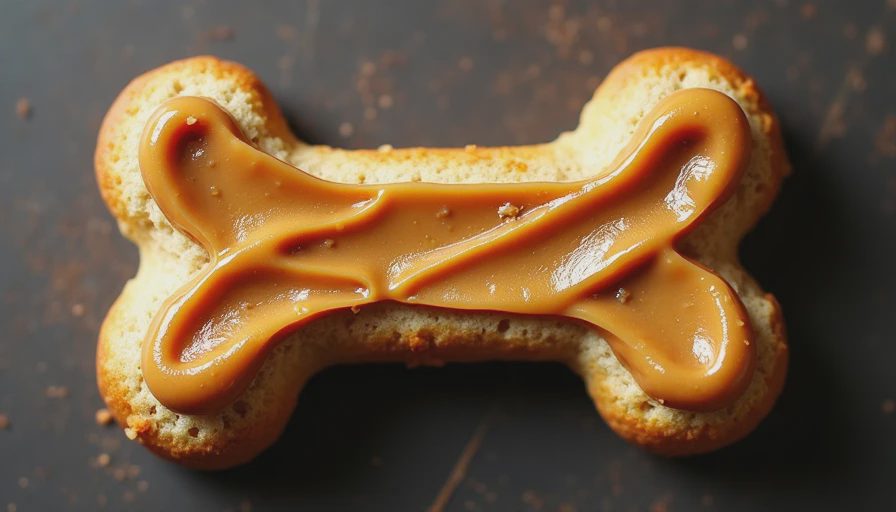
Portion size matters more than the cookie cutter
A homemade treat can be wholesome and still contribute too many calories. A practical starting point is to make pieces no larger than a pea for a small dog, a thumbnail for a medium dog, and perhaps a two-bite piece for a large dog. Those descriptions are intentionally approximate; individual calorie needs differ substantially with body size, age, activity, and health.
For a dog carrying extra weight, break treats into smaller pieces rather than eliminating rewards altogether. You can also reserve part of the dog's regular kibble for training. That keeps the reward connected to the daily food allowance and avoids stacking biscuits, dental chews, table scraps, and peanut butter in the same day.
Watch the body, not just the recipe. If your dog's ribs become harder to feel, the waist disappears, or weight increases over several weeks, reduce treat calories and speak with your veterinarian. Dogs with diabetes, pancreatitis, food allergies, kidney disease, or prescription diets need individualized advice before receiving rich homemade treats.
Storage, introductions, and a sensible routine
Introduce a new treat with one small piece, then watch for vomiting, diarrhea, itching, ear irritation, or unusual gas over the next day. One ingredient at a time makes reactions easier to identify. If the recipe contains several new foods and your dog becomes ill, you have created a detective story when a simple trial would have been clearer.
Store crisp biscuits in an airtight container only after they are fully cool. If they feel soft in the center, refrigerate them. Moist treats and yogurt-based frozen treats belong in the refrigerator or freezer, with clean utensils used for serving. Discard anything that develops mold, an off smell, or unexpected moisture. Label the container with the date; the dog cannot read it, but you can.
Dog treat recipes peanut butter are most useful when they support a routine: tiny pieces for training, a measured portion after a nail trim, or an occasional enrichment activity. They should not become a daily guessing game about calories. If you bake frequently, record the ingredients and approximate yield so you can estimate calories per piece more consistently.
The simple safety check before baking
Before making dog treat recipes peanut butter, flip the peanut butter jar over and look for xylitol, birch sugar, chocolate, and unnecessary flavorings. Then choose a modest recipe with familiar ingredients, cut the treats smaller than your first instinct, and set aside a daily portion. Ask your veterinarian for a calorie target if your dog has a medical condition or needs to lose weight.
The best homemade treat is not the fanciest one. It is a small, safe reward that fits the rest of the diet and does not create confusion at the next exam. Flip the bag, read the panel, and flip the jar, too.


No notes yet — write the first one.