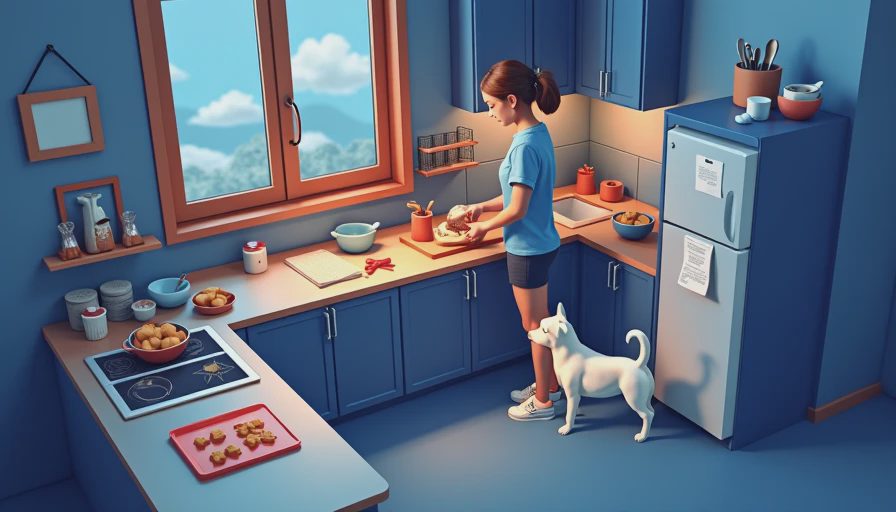
You are in the kitchen with a spoon in one hand and a suspicious-looking recipe on your phone. The question is simple: are homemade pet treats safe? Usually, they can be, but safety depends on the ingredients, portion size, preparation, and your pet’s medical history. A treat made from plain pumpkin and oats is a very different nutritional proposition from a cookie containing chocolate, xylitol, butter, and raisins.
I like homemade treats because they let you control the ingredient list. That control is useful for a dog with food sensitivities, a cat that refuses half the products in the store, or an owner who wants to use small pieces of cooked meat during training. It is not a guarantee of nutritional quality, though. Homemade treats should complement a complete diet, not quietly replace it.
Homemade pet treats safe ingredients to consider
The safest starting point is a short recipe built around foods your veterinarian has already said are appropriate for your animal. For many healthy dogs, that might include plain cooked chicken, turkey, lean beef, eggs, unsweetened pumpkin, carrots, green beans, or small amounts of oats. Cooked sweet potato can work for some dogs as well. Use no added salt, onion, garlic, sauces, seasoning blends, or rich gravies.
Cats need a slightly different approach. They are obligate carnivores, so a tiny piece of plain cooked chicken, turkey, or cooked fish is generally more natural for them than a flour-based biscuit. Avoid offering raw animal products as a casual treat, especially when safe handling and foodborne pathogens are concerns. Bones are also a poor choice because they can break teeth or cause choking, obstruction, or intestinal injury.
For homemade pet treats safe preparation, cook meat thoroughly and let it cool before serving. Wash produce, use clean utensils, and refrigerate perishable treats promptly. A recipe does not become safer because it is labeled natural, organic, grain-free, or human-grade. Those terms describe sourcing or marketing qualities, not a complete safety assessment.
Ingredients that should never go in the bowl
Several common kitchen foods are dangerous for pets. Chocolate and cocoa contain methylxanthines that can cause serious illness. Grapes and raisins have been associated with kidney injury in dogs, and the amount that causes trouble is unpredictable. Xylitol, also called birch sugar in some products, can trigger dangerously low blood sugar and potentially liver injury in dogs. It may appear in sugar-free peanut butter, gum, candy, toothpaste, and baked goods.
Onions, garlic, chives, and leeks can damage red blood cells. Macadamia nuts can make dogs sick, while alcohol, coffee, caffeinated tea, and raw yeast dough also belong nowhere near a pet treat. Fatty leftovers, including bacon grease and heavily buttered foods, can cause digestive upset and may contribute to pancreatitis in susceptible animals.
Do not rely on smell or a pet’s reaction to judge safety. A dog may eagerly eat a toxic food, and a cat may show no immediate signs after exposure. If your pet eats a known toxin, call your veterinarian, an emergency clinic, or a pet poison service promptly. Save the package or recipe so the professional can identify the ingredient and estimate the amount.
Portion size matters more than the recipe suggests
Even safe ingredients can create problems when treats become a large part of the daily calorie intake. Veterinary nutrition guidance commonly uses the idea that treats and other extras should provide no more than about 10 percent of a pet’s daily calories. The remaining calories should come from a nutritionally complete diet suited to the animal’s life stage and health needs.
That percentage is easier to understand with a practical example. A small dog may need only a few hundred calories in a day, so a large homemade biscuit can use a surprising share of the treat budget. A 70-pound dog has more room, but several spoonfuls of peanut butter are still calorie-dense. A cat may need just a teaspoon-sized portion of cooked meat rather than a whole strip.
For homemade pet treats safe portioning, cut treats into training-sized pieces before serving. A pea-sized reward can be enough for repetition during leash practice. Weighing ingredients and dividing the finished batch into equal portions is more reliable than guessing. If your pet is overweight, ask your veterinarian how to account for treats within a weight-loss plan rather than simply adding them on top.
Storage, baking, and labeling at home
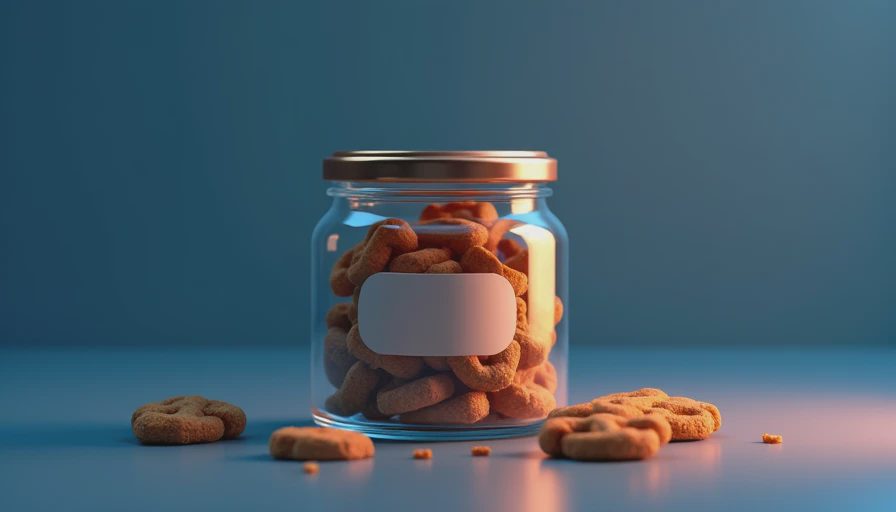
Homemade treats do not automatically have the shelf life of commercial products. Soft meat treats and moist biscuits can spoil quickly, even when they smell fine. Refrigerate perishable items in a sealed container and use them within a short, reasonable period. Freeze extra portions if you made a large batch. Write the preparation date on the container so nobody has to guess whether the chicken bites came from yesterday or last week.
Dry baked treats last longer than moist foods, but they still contain ingredients that can become rancid or moldy. Store them in a cool, dry location and discard anything with an unusual odor, visible mold, a sticky texture, or a changed appearance. Do not use a recipe with raw egg or meat unless you understand the food-safety risks and your veterinarian has given you a specific reason to use it.
A useful home label includes the ingredients, preparation date, and intended pet. That last detail matters in a multi-pet household. A treat made for a dog with a sensitive stomach may not be appropriate for a cat, and a recipe containing chicken is not suitable for a pet with a confirmed chicken allergy.
When homemade treats need professional review
Healthy adult pets usually have more flexibility than puppies, kittens, pregnant animals, or pets with chronic disease. Treat choices deserve extra care when a dog has pancreatitis, diabetes, kidney disease, heart disease, severe allergies, obesity, or a history of urinary stones. Cats with kidney disease or urinary problems also need diets designed around specific nutrient targets, so random extras can interfere with the plan.
This is where the question are homemade pet treats safe becomes individual rather than generic. A low-sodium treat may be sensible for one patient but still contain too much phosphorus for another. A meat-based reward may fit a healthy dog but complicate an elimination diet. Ask your veterinarian before introducing homemade treats during a diagnostic diet trial or prescription-food plan.
If you are making more than occasional treats, a board-certified veterinary nutritionist can review the recipe and calculate its calories and nutrient contribution. A treat recipe is not the same as a balanced homemade diet. Complete home cooking requires precise ingredients, supplements, and preparation instructions; swapping ingredients casually can create deficiencies over time.
A safer homemade treat routine
Start with one familiar ingredient rather than a complicated recipe. Use a small amount, watch for vomiting, diarrhea, itching, or other changes, and wait before introducing another new food. Keep a simple note on the refrigerator with the recipe and portion size. This is particularly helpful when children, pet sitters, or multiple family members share feeding duties.
For homemade pet treats safe results, choose plain ingredients, avoid toxic foods, keep portions small, and store the batch carefully. Commercial treats are not failures, either. A reputable product with clear calorie information can be easier to portion and more convenient for busy households. Homemade and commercial options can coexist; the goal is a safe, nutritionally sensible diet rather than a perfect-looking kitchen.
Today’s action step is simple: flip the bag, open the recipe, or inspect the container of treats you already use. Look for hidden sweeteners, onion or garlic seasoning, rich fats, unclear storage instructions, and oversized portions. If the ingredient panel raises a question, pause before serving and ask your veterinarian. That small check can turn good intentions into a genuinely safe reward.



No notes yet — write the first one.