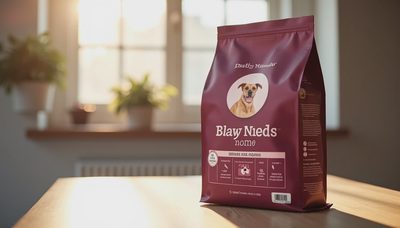
You are standing in the pet food aisle, holding a bag of freeze dried dog food that costs nearly as much as a week of groceries. The label shows recognizable meat, vegetables, and promises about raw nutrition. Is it genuinely better, or simply better marketed? As a board-certified veterinary nutritionist, I would start with the back of the bag, not the photograph on the front. Freeze-drying is a preservation method, not a guarantee that a food is complete, balanced, safe, or appropriate for your individual dog.
What freeze-drying actually does
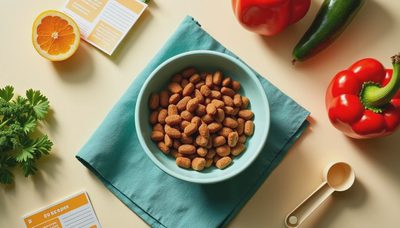
Freeze-drying removes water from frozen ingredients under low pressure. The process can preserve much of the food's original shape, smell, and texture, which is why many dogs find these nuggets appealing. It also makes the product lighter and more shelf-stable than fresh meat. Add water, and the food becomes softer and more concentrated in flavor.
That convenience has a tradeoff. Water weighs very little on the ingredient panel because it is absent, so freeze dried dog food can look extremely high in protein or fat when compared by weight. A fair comparison requires looking at calories, feeding directions, and dry-matter or calorie-based information. A food containing 500 calories per cup is not automatically more nutritious than one containing 350 calories per cup; it simply delivers more energy in that portion.
Freeze-drying also does not sterilize ingredients. If a product contains uncooked animal tissue, bacteria such as Salmonella or Listeria can survive the process. Dogs do not always become visibly ill, but they can shed organisms in saliva or stool, creating a household concern for young children, older adults, pregnant people, or anyone with a weakened immune system.

How to read the label without getting distracted
Here is what the panel says — and what it doesn't. First, find the nutritional adequacy statement. Look for wording that says the food is complete and balanced for a specific life stage, such as growth, maintenance of adult dogs, or all life stages. The phrase “intermittent or supplemental feeding only” means the product is not designed to be the sole diet.
Next, check the calorie statement. Feeding directions are starting points, not precise prescriptions. A 20-pound indoor adult dog and a 20-pound young, athletic dog can need very different amounts. Treats, toppers, and rehydrated portions all count toward daily calories.
The ingredient list can tell you what is included, but it cannot tell you whether the recipe has the right calcium-to-phosphorus balance, enough iodine, or appropriate vitamin and mineral levels. Marketing terms such as human-grade, holistic, ancestral, and premium are not substitutes for nutritional adequacy. Chicken meal and meat by-products are not automatically inferior; they can provide concentrated, useful nutrients when properly formulated.
For freeze dried dog food, I also look for the manufacturer’s contact information, quality-control explanation, and willingness to provide a typical nutrient analysis. A serious company should be able to explain who formulates the diet and whether it employs or consults qualified nutrition professionals. A beautiful ingredient story is not the same thing as formulation evidence.
Raw claims and food safety at home
Many freeze dried dog food products are marketed as raw or minimally processed. Raw feeding is not automatically a disaster, but it is not risk-free. The American Veterinary Medical Association and other veterinary organizations have raised concerns about pathogen exposure, and freezing or freeze-drying does not reliably eliminate every infectious organism.
Handle these foods as carefully as you would raw chicken. Wash your hands after scooping, use a dedicated measuring cup, sanitize preparation surfaces, and keep the product away from human food. Do not let a dog lick faces immediately after eating a raw product. Store the package according to its instructions, close it tightly, and discard food that has been sitting out for an extended period.
Rehydration adds another practical issue. Once water is mixed in, the food can spoil faster. Prepare only the amount your dog will eat, refrigerate leftovers promptly, and wash the bowl after meals. These steps matter even more in a home with a baby, a senior family member, or an immunocompromised person.
Is freeze dried dog food complete and balanced?
Some products are complete and balanced; others are intended as treats, mixers, or supplemental toppers. The difference is substantial. A food made mostly from muscle meat and organ meat can sound biologically appropriate while still lacking the precise calcium, copper, zinc, iodine, vitamin D, or other nutrients a dog needs over time.
If the bag does not carry a clear adequacy statement, do not use it as your dog’s main diet without professional guidance. Products labeled for all life stages must meet the nutritional requirements for growth, which can make them unnecessarily nutrient-dense for some adult dogs. Puppies, pregnant dogs, and dogs with medical conditions deserve especially careful selection.
A veterinary nutritionist may recommend a conventional cooked diet instead, particularly for a dog with pancreatitis history, kidney disease, urinary problems, obesity, or gastrointestinal sensitivity. There is no nutritional prize for choosing the most expensive format. The best diet is one that is nutritionally appropriate, safely handled, affordable enough to continue, and willingly eaten.

Comparing cost, calories, and convenience
A bag priced at $35 can look reasonable until you calculate the daily cost. Suppose the food provides 500 calories per cup and your dog needs 700 calories daily. That is 1.4 cups per day. If the bag contains 12 cups, it lasts about eight and a half days, putting the daily cost above $4 before treats or supplements. A complete cooked kibble might cost substantially less per day while meeting the same basic nutritional goal.
That does not make freeze dried dog food a poor choice. Some owners use it as a measured topper, training reward, travel option, or appetite enhancer. A tablespoon sprinkled over a complete diet can provide flavor without replacing essential nutrients. Measure it rather than pouring freely; calorie-dense foods can add weight surprisingly quickly.
When switching foods, transition over about seven days by gradually increasing the new diet while reducing the old one. Watch stool quality, appetite, body weight, and vomiting. If diarrhea persists, your dog seems painful, or appetite drops, stop treating the problem as a simple adjustment and contact your veterinarian.
A practical decision at the pet store
Before buying, confirm four things. The bag should identify whether the food is complete and balanced or supplemental. It should provide calories and clear feeding directions. The company should answer basic questions about formulation and quality control. Finally, the product should fit your dog’s age, health status, body condition, and your household’s ability to handle it safely.
For an otherwise healthy adult dog, freeze dried dog food can work as a complete diet when the label supports that use and the feeding routine is hygienic. It can also work as a topper when used sparingly. For a dog with diagnosed disease, a puppy, or a dog that has lost weight unexpectedly, make the diet decision with your veterinarian rather than relying on a social media claim.
My single action step is simple: flip the bag. Read the adequacy statement, calories, feeding directions, and handling instructions before you read the marketing story. That small habit will tell you far more about whether freeze dried dog food belongs in your dog’s bowl.


No notes yet — write the first one.