You are standing at the kitchen counter with a piece of carrot in one hand and a hopeful dog at your feet. The question is simple: what counts as safe people food for dogs? The answer includes several ordinary groceries, but portion size, preparation, and your dog's medical history matter just as much as the ingredient itself.
People food should be an occasional treat, not a replacement for a complete and balanced dog food. Treats, table scraps, and toppers can add calories quickly, especially for a small dog. As a useful starting point, keep extras near 10 percent or less of daily calories, with the remaining calories coming from the dog's regular diet. Dogs with diabetes, pancreatitis, kidney disease, food allergies, or a history of urinary problems need more individualized guidance from their veterinarian.
Safe People Food for Dogs: Fruits and Vegetables
Many dogs can enjoy plain fruits and vegetables in small pieces. Carrots are crunchy, inexpensive, and low in calories. Green beans, cucumber, zucchini, and plain pumpkin are also practical choices. Pumpkin can provide fiber, but a large serving may cause loose stool or constipation, so begin with a teaspoon for a small dog and increase only if the dog handles it well.
Apple flesh is generally suitable after removing the core and seeds. Blueberries and strawberries can be offered whole to a large dog or cut for a small one. Bananas are safe for most dogs, but they contain more calories and sugar than watery vegetables, so a few slices are plenty. Watermelon can work as a warm-weather treat after the rind and seeds are removed.
Preparation matters. Wash produce, remove pits, stems, tough rinds, and choking hazards, and serve it plain. Skip butter, salt, honey, whipped cream, and seasoning blends. A dog does not need a fruit salad dressed with anything; the food itself is enough.

Protein and Grains That Usually Work
Plain, fully cooked chicken, turkey, lean beef, and fish can be useful high-value treats. Remove bones and visible excess fat, and do not use meat cooked with onion, garlic, heavy sauce, or spicy seasoning. Plain scrambled egg or a small piece of hard-boiled egg is also suitable for many healthy dogs. These foods are more calorie-dense than cucumber or green beans, so a few bites can be enough.
Cooked oatmeal, plain rice, and unseasoned pasta are generally safe in modest portions. They are not nutritionally complete meals for dogs by themselves, but they can serve as occasional toppers. Plain white rice is often easy to digest, although a dog with an ongoing stomach problem needs veterinary advice rather than a long-term rice-and-chicken diet.
Some dairy products can be tolerated, while others cause gas or diarrhea because many adult dogs digest lactose poorly. A teaspoon of plain, unsweetened yogurt may be fine for one dog and a poor choice for another. Avoid products containing xylitol, now also called birch sugar in some ingredient lists. This sweetener is dangerous to dogs and can appear in sugar-free foods, gum, candy, toothpaste, and some baked products.
Foods to Keep Away From Dogs
The most important safety lesson is knowing what not to share. Grapes and raisins can cause serious kidney injury in dogs, and there is no reliable safe amount. Chocolate contains theobromine and caffeine; darker chocolate and cocoa products are especially concentrated. Macadamia nuts can cause illness, while onions, garlic, leeks, and chives can damage red blood cells and should not be treated as harmless flavorings.
Alcohol, coffee, energy drinks, and caffeinated tea have no place in a dog's diet. Yeast dough can expand in the stomach and ferment. Cooked bones can splinter, causing choking or gastrointestinal injury, and fatty scraps can trigger digestive upset or pancreatitis in susceptible dogs. Sugar-free products deserve an ingredient-label check because xylitol poisoning can progress quickly.
If your dog eats a potentially toxic food, do not wait for symptoms and do not induce vomiting unless a veterinary professional directs you to do so. Call your veterinarian, an emergency clinic, or a pet poison service immediately. Have the package, ingredient list, estimated amount, and time of ingestion available.
How Much Is Too Much?
Portion size changes the answer. A blueberry for a 70-pound Labrador is not the same calorie event as a blueberry for a 7-pound Chihuahua. Even safe people food for dogs can contribute to weight gain when offered by the handful. A practical method is to cut treats into pea-sized pieces and use them during training. Your dog experiences several rewards, while the calorie total stays controlled.
For a medium dog, a few pieces of carrot, two or three blueberries, or a small strip of plain chicken may fit comfortably into an ordinary day. For a small dog, those portions should be reduced. Avoid estimating from appetite; many dogs will continue eating long after they have met their energy needs.
Keep a simple treat log for three days if your dog's weight is changing. Write down table scraps, training treats, dental chews, and food used to give medication. This often reveals that the issue is not the main diet but several uncounted bites from the kitchen.
Safe People Food for Dogs With Health Conditions
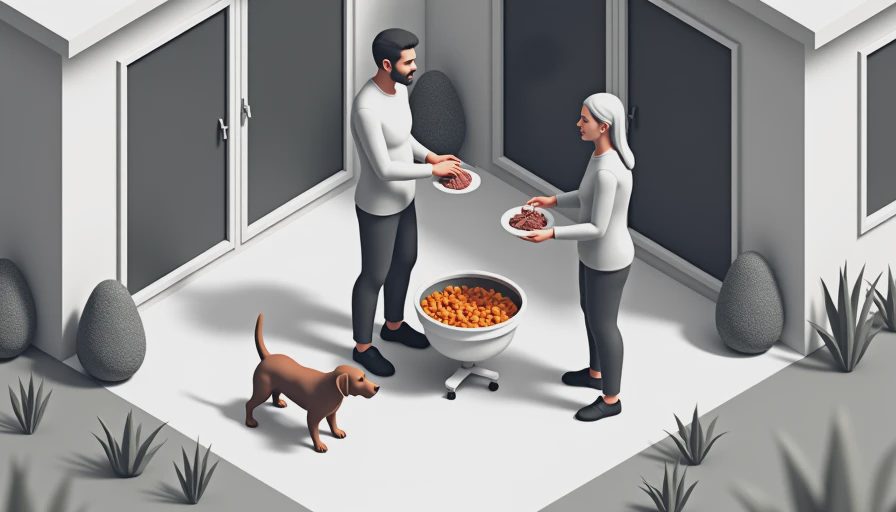
A healthy adult dog may tolerate a wider range of treats than a dog with a diagnosed condition. Dogs with kidney disease often need carefully controlled phosphorus and protein, so meat, dairy, and certain commercial treats should not be added casually. Dogs with pancreatitis may need a lower-fat plan, making bacon, sausage, butter, and greasy leftovers particularly poor choices.
Food allergies require a structured elimination diet, not a rotating collection of internet-approved snacks. If a dog is being evaluated for an allergy, introducing chicken, cheese, or peanut butter can complicate the results. Dogs with diabetes also benefit from consistent meal and treat routines rather than unpredictable carbohydrate-heavy extras.
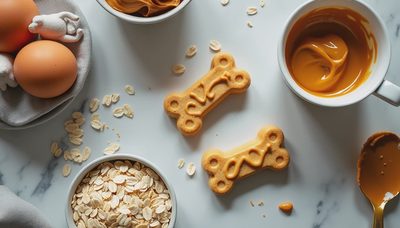
Peanut butter is a common training reward, but check the label every time for xylitol and use only a small amount because it is calorie-dense. A smear inside a puzzle toy can last longer than a spoonful offered freely. If your dog has a medical diagnosis, ask the veterinarian which treats fit the treatment plan before experimenting.
A Simple Kitchen Safety Routine
Start by choosing two or three approved foods instead of sharing whatever is on the plate. Wash and prepare them without seasoning, then store small portions in the refrigerator. Count those portions as treats, not as invisible extras. Introduce one new food at a time so you can identify the cause if vomiting, diarrhea, itching, or excessive gas appears.
When shopping, flip the bag. Read the panel. For packaged human foods, scan the ingredient list for xylitol, onion powder, garlic powder, chocolate, and excessive fat or sodium. For commercial dog treats, look for clear feeding guidance and use the calorie information when it is provided. A treat does not need a dramatic superfood claim to be useful; it needs to be safe, palatable, and appropriate for your dog's total diet.
The best safe people food for dogs is usually simple: a plain carrot, a few green beans, a blueberry, or a carefully measured piece of cooked lean meat. Keep toxic foods out of reach, make portions small, and involve your veterinarian when illness or a special diet is part of the picture. Today, open the refrigerator, choose one plain option, cut it into tiny pieces, and flip the bag before you share anything else.

No notes yet — write the first one.