You are standing in the supplement aisle with a dog who has suddenly developed loose stool, and every package seems to promise a happier gut. Probiotics for dogs can be useful in some situations, but they are not magic dust for every digestive problem. The practical question is not simply whether a product contains bacteria. It is whether the specific strains, dose, quality controls, and reason for use make sense for your dog.
I approach these products the same way I approach a food label: calmly, from the back of the package. A supplement can support a treatment plan, but it should not replace an examination when a dog is sick. If your dog has repeated vomiting, blood in the stool, severe lethargy, abdominal pain, dehydration, or refuses food, call a veterinarian promptly.
What probiotics actually do
Probiotics are live microorganisms given in adequate amounts to provide a health benefit. In plain English, they are selected bacteria or yeast intended to interact with the digestive tract. Some can produce substances that make the intestinal environment less comfortable for certain unwanted microbes. Others may help support the gut barrier or influence immune activity. The effects are strain-specific, which means “contains probiotics” is not a complete scientific description.
The canine gut microbiome is a community, not a single switch that can be turned from bad to good. Diet, stress, antibiotics, parasites, age, and underlying disease all influence it. A product that helps a dog with short-term antibiotic-associated diarrhea may not solve chronic diarrhea caused by inflammatory bowel disease, food-responsive enteropathy, or pancreatic disease.
Research in dogs is promising in several narrow areas, especially some cases of acute diarrhea and antibiotic-associated digestive upset. However, studies do not show that every commercial powder works equally well, or that a probiotic is necessary for every healthy dog. For a dog eating a complete and balanced diet with normal stools, adding a supplement is usually optional rather than essential.
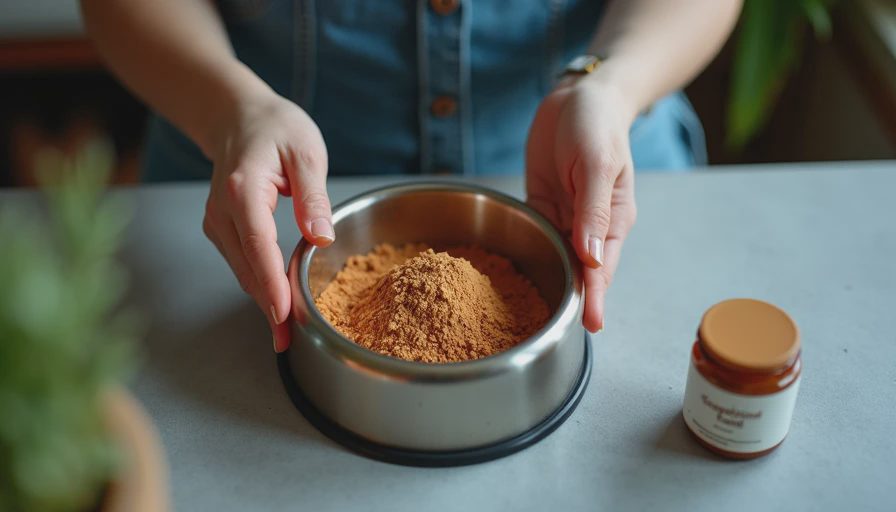
Reading the label without getting lost
When comparing probiotics for dogs, flip the bag and look for the organism names at the strain level. A label might list a genus and species, such as Lactobacillus acidophilus or Enterococcus faecium, but a documented strain identifier is more helpful when research supports a particular product. The number of organisms is often listed as CFU, or colony-forming units. A large CFU number sounds impressive, but it does not prove that the product is appropriate, stable, or effective.
Look for a guaranteed amount through the expiration date, not merely an amount measured when the product was manufactured. Storage instructions matter because heat and moisture can reduce viability. A powder that must be refrigerated is not automatically better, but leaving it in a hot car can undermine any product.
The label should also identify the manufacturer, lot information, directions, and other active ingredients. Flavorings and prebiotic fibers are not necessarily problems, although they can affect a sensitive dog. Ask whether the product has quality testing and whether the company can explain how it verifies the stated contents. Vague phrases such as “supports natural balance” tell you much less than a named organism, dose, and expiration guarantee.
When probiotics might make sense
A veterinarian may suggest probiotics for dogs during or after a course of antibiotics, particularly when a dog develops soft stool but remains bright, hydrated, and interested in food. Some dogs with an abrupt diet change or a brief episode of uncomplicated diarrhea may also benefit from short-term support. The goal is modest: help the digestive system recover while the underlying trigger resolves.
That does not mean every loose stool requires a supplement. A dog that raids the trash may need monitoring, a bland temporary feeding plan directed by a veterinarian, or an examination if symptoms continue. Puppies, seniors, and dogs with chronic illness can deteriorate faster than a healthy adult, so the threshold for calling should be lower.
For recurring digestive signs, probiotics for dogs should be considered alongside a proper diagnostic plan rather than used as a cover. Your veterinarian may review diet history, fecal testing, deworming status, medications, and body condition. In some cases, a therapeutic diet is more important than a probiotic. In others, the supplement adds little. Good nutrition is often less about finding one heroic ingredient and more about identifying the real problem.
Safety, side effects, and timing
Most veterinary probiotic products are tolerated well, but mild gas, abdominal rumbling, or a change in stool can occur during the first few days. Follow the package directions or your veterinarian’s instructions instead of doubling the dose because a dog is still having diarrhea. More is not automatically better; the useful dose depends on the product and organism.
If your dog is immunocompromised, critically ill, recovering from major surgery, or receiving complex medical treatment, discuss probiotics before starting them. A veterinarian can decide whether the potential benefit outweighs the small but important concerns associated with administering live organisms to vulnerable patients.
If an antibiotic is prescribed, ask how to time the supplement. Depending on the products involved, spacing them apart can be reasonable, but your veterinary team should give the final instructions. Keep a simple record of the product name, starting date, stool quality, appetite, and any vomiting. That makes it easier to tell whether the supplement is helping rather than relying on memory after a stressful week.

Choosing between powders, chews, and capsules
The best format is the one your dog receives consistently and tolerates. Powders can be mixed into wet food and often make dosing straightforward. Chews may be convenient for a dog that refuses anything stirred into dinner, but inspect the calorie count and ingredient list if your dog is overweight or has food sensitivities. Capsules can provide a precise dose, although many owners struggle to administer them without hiding them in food.
Do not choose probiotics for dogs solely because a package uses words such as premium, natural, human-grade, or advanced. Those terms do not establish a clinical benefit. Veterinary products from established companies may offer clearer dosing and quality information, while human supplements may contain ingredients that are unnecessary or unsuitable for dogs. Avoid products with xylitol, an ingredient that is dangerous to dogs, and ask about every unfamiliar sweetener or herb.
Price is another useful reality check. A $12 product that lasts ten days is not necessarily cheaper than a $30 product that lasts two months. Compare the daily cost, guaranteed dose, storage requirements, and expiration date. If a product requires a large scoop but your dog eats only a little food, a capsule or smaller-dose powder may be more practical.
A sensible plan for your dog
Start by writing down why you are considering a probiotic: recent antibiotics, occasional soft stool, a diet transition, or a veterinarian’s recommendation. Then call your veterinary clinic if the problem is persistent, severe, or unexplained. Once a product is chosen, introduce it according to directions and evaluate a defined trial period rather than continuing indefinitely without a goal.
Bring the container or a clear label photo to the appointment. This lets the veterinary team check the organism, dose, additives, and possible overlap with another supplement. If stool quality improves, your veterinarian can help decide whether to stop, continue, or address the underlying trigger. If nothing changes, that result is useful information too; it suggests that a different strategy deserves attention.
My bottom line is simple: probiotics for dogs are tools, not requirements and not substitutes for diagnosis. Choose a transparent product, use it for a clear reason, and watch the whole dog rather than one stool sample. Today’s action step is to flip the bag, find the guaranteed expiration-date dose and strain information, and take a photo before you buy.




No notes yet — write the first one.