You are standing in the pet food aisle with a tired dog, a bag of food in each hand, and a hiking plan for Saturday. One label promises endurance. Another features a wolf, a mountain, and enough marketing language to suggest your dog is training for the Iditarod. Good dog nutrition for active lifestyle needs less drama and more arithmetic: enough usable energy, adequate protein, balanced nutrients, and a feeding plan that matches the work your dog actually does.
An active lifestyle can mean very different things. A Labrador walking two miles each morning is not eating for the same purpose as a border collie running agility three evenings a week. A weekend trail companion, a dock-diving dog, and a working farm dog have different fuel demands. Start with the activity, body condition, age, and health history rather than the most impressive picture on the bag.
Match calories to the work, not the label
The first practical step in dog nutrition for active lifestyle is estimating how much energy your dog uses. Exercise lasting an hour or more, repeated high-intensity bursts, cold weather, and long days outdoors can increase calorie needs. But many dogs described as “active” are simply normal companion dogs who enjoy a daily walk. Their food requirement might not be dramatically higher than the feeding guide suggests.
Watch body condition instead of relying on a measuring cup alone. You should be able to feel the ribs under a thin layer of fat, see a waist from above, and notice an abdominal tuck from the side. If ribs become difficult to feel, reduce food gradually or add structured activity. If the spine, hips, or ribs become prominent, increase calories and schedule a veterinary examination, especially if weight loss is sudden.
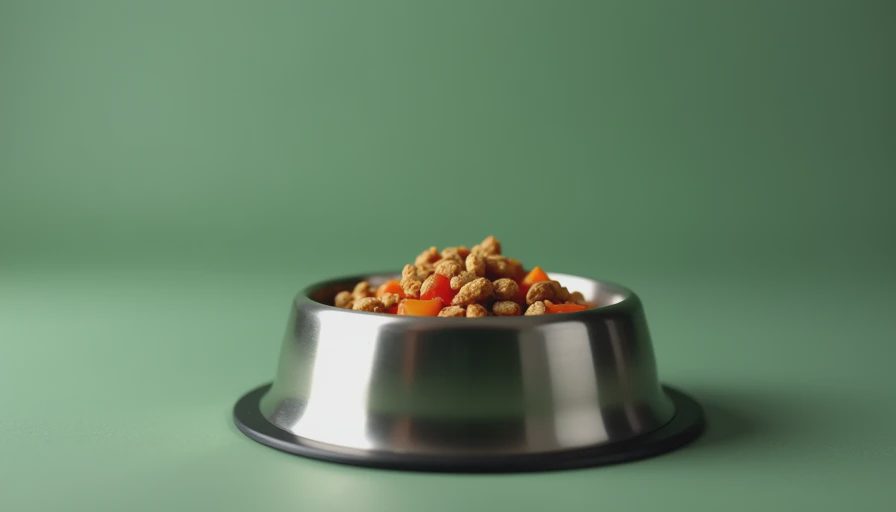
Feeding guides are starting points, not contracts. Measure food with a kitchen scale when accuracy matters; a generous scoop can add dozens of calories each day. Divide the daily portion into two or three meals if a large meal makes your dog uncomfortable before exercise. For a long outing, a small meal several hours beforehand is often easier to tolerate than a large breakfast immediately before running.

What the panel says about protein and fat
Here’s what the panel says — and what it doesn’t. The guaranteed analysis lists minimum crude protein and fat, but those numbers do not tell you everything about digestibility, amino acid balance, or calorie density. Still, they provide useful clues when comparing complete foods.
Protein supplies amino acids for muscle maintenance, immune function, skin, and other tissues. Active adult dogs generally benefit from a nutritionally complete diet with adequate, digestible protein, but more protein is not automatically better. A food with a dramatic percentage on the front can still be a poor match if it causes loose stool, supplies too many calories, or is not formulated for your dog’s life stage.
Fat is energy-dense, so it can help fuel sustained activity in a smaller serving. That same density makes portion control important. A sudden switch to a much richer food can trigger vomiting or diarrhea. Change diets over roughly seven days by mixing increasing amounts of the new food with the old, and slow down if digestion worsens.
Look for an AAFCO nutritional adequacy statement appropriate for adult maintenance, growth, reproduction, or all life stages. The statement is more meaningful than phrases such as “premium,” “ancestral,” or “performance recipe.” If your dog has kidney disease, pancreatitis, food allergies, or another diagnosed condition, the right nutritional target may be different from the plan for a healthy athlete.
Hydration, carbohydrates, and exercise timing
Dog nutrition for active lifestyle also includes water. Carry more than you think you need on warm hikes, offer breaks before your dog becomes frantic, and bring a collapsible bowl. Panting cools dogs through evaporation, but it does not make them immune to heat illness. Heavy drooling, weakness, confusion, vomiting, or collapse requires immediate veterinary attention rather than another drink and a rest break.
Carbohydrates are not automatically a problem. They can provide readily available energy, and many complete commercial diets use grains, potatoes, peas, or other carbohydrate sources safely. Grain-free is not synonymous with higher performance, and removing grains without a medical reason can narrow food choices without improving fitness. The useful question is whether the complete diet supports stable stools, an appropriate body condition, and good performance.
For ordinary walks, fresh water and the regular balanced diet are usually enough. During unusually long or strenuous events, ask your veterinarian about timing, portions, and whether an electrolyte product is appropriate. Human sports drinks can contain excessive sugar or ingredients that are unsafe for dogs. Never assume a supplement designed for people belongs in your dog’s pack.
Supplements, treats, and the recovery meal
The supplement aisle is where dog nutrition for active lifestyle often gets unnecessarily expensive. Glucosamine, fish oil, joint powders, probiotics, and vitamin blends all have different evidence and different risks. A supplement can also add calories, interact with medication, or upset the stomach. If your dog has joint pain, stiffness, recurrent diarrhea, or slow recovery, investigate the underlying problem with a veterinarian instead of stacking products from social media recommendations.
Treats should fit into the daily calorie budget. Pieces of the regular kibble, small training treats, or modest portions of cooked lean meat can work well. High-fat table scraps are a poor reward before exercise and can cause gastrointestinal trouble in some dogs. For a dog carrying extra weight, reducing treat calories can improve endurance more effectively than buying a “sport” formula.
After exercise, offer water and allow your dog to cool down. Feed the normal meal once breathing and behavior have returned to baseline. A dog that refuses food, remains unusually lethargic, limps, or has dark urine after strenuous activity needs attention. Fitness should build gradually; a couch-to-trail leap is a common route to sore muscles, pad injuries, and overuse problems.
A simple buying and feeding routine
When I evaluate dog nutrition for active lifestyle, I use a repeatable routine. First, identify the real workload: minutes, intensity, terrain, temperature, and number of exercise days. Next, inspect the adequacy statement and calorie information on the bag. Then choose a complete food your dog digests well, measure the portion, and record body weight or body condition every couple of weeks.
Compare foods by calories per cup or can, not just by the price of the package. A $55 bag with 450 calories per cup may last longer than a $45 bag with 320 calories per cup. Ask the manufacturer for calorie content if it is not printed clearly. A veterinary nutritionist can help when your dog performs at a high level, struggles to maintain weight, or needs a home-prepared diet; recipes should be formulated with precise supplements rather than improvised from internet ingredients.
Make changes one at a time. If you introduce a new food, a new chew, and a new joint supplement during the same week, you will not know which change caused diarrhea or itching. Keep notes on appetite, stool quality, weight, energy, and recovery. Those observations are more useful than a flashy ingredient list.
The takeaway for your next trip to the store
Good dog nutrition for active lifestyle is not about finding the most exotic protein or the bag with the biggest athletic claim. It is about matching calories to real work, providing a complete and balanced diet, controlling portions, and respecting hydration, heat, and recovery. The best plan is the one your dog maintains at a healthy body condition while digesting well and enjoying the activities you share.
If your dog is still growing, elderly, pregnant, underweight, overweight, or managing a medical condition, involve your veterinarian before making a major change. For a healthy adult preparing for longer adventures, begin with one measurable improvement today: weigh the current food portion, check the calorie statement, and write down your dog’s body condition.
Flip the bag. Read the panel. Then choose the food and portion that fit the dog in front of you, not the athlete pictured on the package.



No notes yet — write the first one.