You know the scene: a bag of dog food in one hand, a package of chicken thighs in the other, and a dozen loud opinions in your head. When people ask can dogs eat raw meat, they usually want a simple yes or no. The honest answer is that raw meat can be eaten by some dogs without an immediate problem, but that does not make it a smart default diet for most households. The bigger question is not whether a dog can swallow it. It is whether the meal is safe, complete, and actually worth the risk.
Here is what the panel says, and what it does not. Raw meat is not automatically poisonous, but it is also not a nutritional plan by itself. A pile of chicken breast or ground beef does not give you the right calcium, trace minerals, or vitamins a dog needs over time. Meat alone is also a very different food safety story once it leaves the butcher case and lands on your counter, cutting board, and dog bowl.
What raw meat actually changes in a dog's bowl
Raw feeding gets sold as more natural, more digestible, and better for teeth. Sometimes owners also hear that it reduces itching, stools, or yeast problems. Those claims sound tidy, but the evidence is mixed and often thin. A dog may do fine on a raw diet for a while and still be missing key nutrients underneath the surface. That is the part many people miss. A shiny coat does not tell you whether the diet has enough calcium, copper, iodine, or vitamin D.
There is also a texture problem that matters. Dogs do not chew like people do, so raw bones can splinter, and larger pieces of meat can create choking or intestinal blockage risk. Then there is the microbiology piece. Raw poultry and ground meats are common carriers of Salmonella, Campylobacter, and E. coli. Dogs may sometimes carry those organisms without looking sick, which means the kitchen and the hands that prepare the food can become the real problem.
The biggest risks: bacteria, bones, and nutritional gaps
When owners ask can dogs eat raw meat, I start with the same answer every time: the biggest danger is usually not that the dog will taste it. The danger is the total package. A raw diet can expose a dog to bacteria, parasites, and nutritional imbalance all at once. That matters more for puppies, senior dogs, pregnant dogs, and dogs with illness that affects the immune system or the gut.
The bone issue deserves its own blunt sentence. Cooked bones are the classic splintering hazard, but raw bones are not automatically safe just because they are softer. Teeth can fracture on hard bones, and dogs can swallow pieces that scrape or lodge in the digestive tract. I have seen owners spend far more on emergency care than they ever saved by buying meat in bulk. A few dozen dollars of chicken is not a bargain if it leads to a vet visit that runs into the hundreds or more.
There is a cleaner way to think about this. Meat is an ingredient. It is not a complete diet unless the entire recipe is formulated to meet canine nutrient needs. That is why commercial foods can be labeled complete and balanced, while a bowl of raw meat from the grocery store cannot.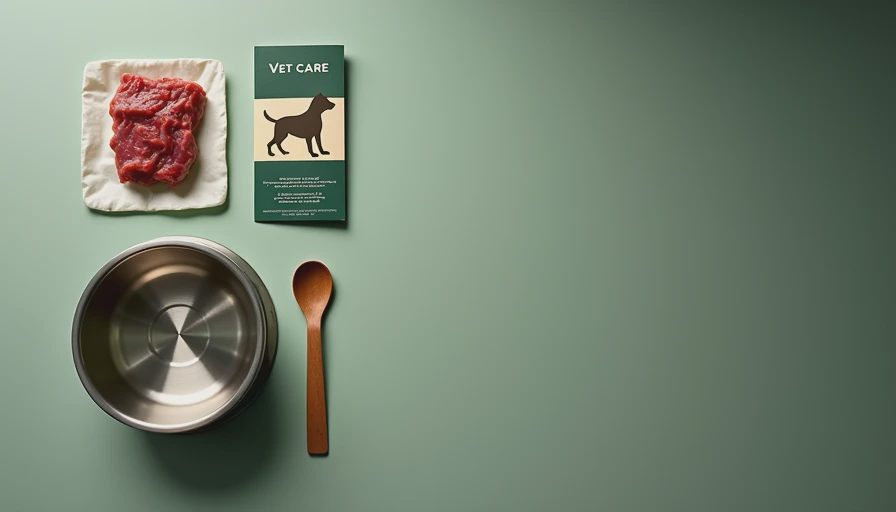
If a dog sneaks raw meat off the counter
This is where panic usually outruns the facts. If a dog snatches a raw burger patty or a steak strip, most healthy adult dogs will not need an automatic emergency visit. Watch for vomiting, diarrhea, abdominal pain, loss of appetite, or unusual tiredness over the next day or two. If the meat was heavily seasoned, especially with garlic, onion, or large amounts of salt, that changes the picture and is worth a call to your veterinarian sooner.
The more practical issue is sanitation. Wash hands, clean the counter, and scrub any bowl or utensil that touched the meat. Hot soapy water is good; letting the cutting board sit on the drying rack and hoping for the best is not. If a dog is on chemotherapy, has inflammatory bowel disease, is very young, or is very old, the risk tolerance is lower and your vet should weigh in earlier.
A lot of households get into trouble not because the dog ate one bite, but because the family starts handling raw meat every day and the kitchen becomes a chain of cross-contamination. That is why public health guidance around raw animal foods is so cautious. It is about the human side of the feeding routine as much as the dog.
Safer ways to deliver the same appeal
If the attraction is freshness, moisture, or ingredient control, you have options that do not require turning your kitchen into a meat locker. You can use a cooked home-prepared recipe that is actually formulated by a veterinary nutritionist. You can add a spoonful of plain cooked chicken or lean beef as a topper to a complete commercial diet. You can also look at canned food, fresh refrigerated diets, or air-dried products that are labeled complete and balanced.
This is where some owners get tripped up by freeze-dried raw. Freeze-dried raw is still raw. The water is removed, but the food is not cooked, so the same handling cautions apply. If you want the convenience of a shelf-stable product with lower food safety risk, a cooked air-dried or gently cooked diet is a better place to start. The label should still say complete and balanced for your dog’s life stage.
If your dog has a sensitive stomach, start by changing one thing at a time. Swap in a new food over five to seven days. Measure the portions. Watch stool quality, itchiness, and energy, not just whether the bowl was licked clean. Dogs are enthusiastic trash compactors by design; that does not mean every enthusiastic meal is a good one.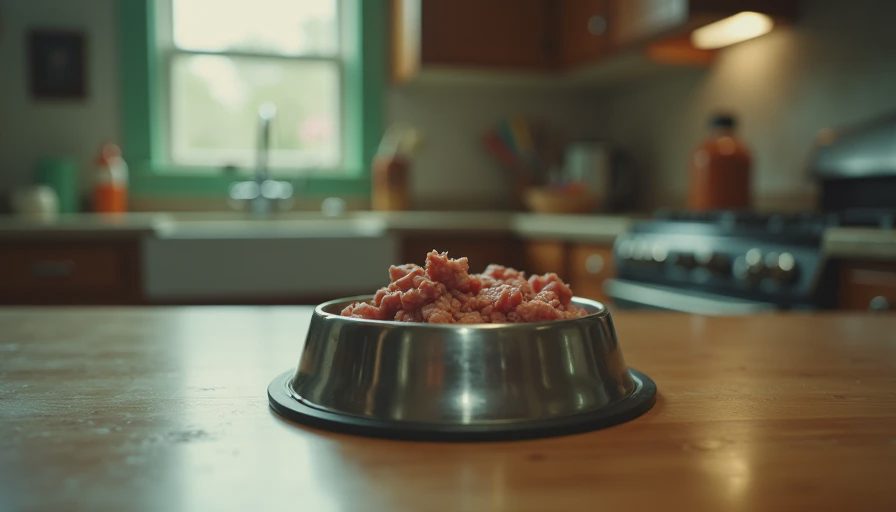
How to read the label before you buy
Flip the bag. Read the panel. That is the fastest way to cut through the marketing. Look for an AAFCO nutritional adequacy statement that says the food is complete and balanced for growth, adult maintenance, or all life stages. If the bag says it is intended for intermittent or supplemental feeding only, that is not a full diet. It is a topper, treat, or add-on, not the main meal.
For raw-style products, ask two more questions. First, who formulated the diet, and does the company have a board-certified veterinary nutritionist on staff or consulting? Second, how does the company test for nutrient adequacy and food safety? A fancy photo of a wolf on a mountain tells you nothing. The ingredient panel and adequacy statement tell you something useful.
Price matters too. A 20-pound bag that looks cheap per pound can become expensive if you have to supplement it or throw out spoiled portions. If a diet is truly complete, safe, and fits your dog, the cost is easier to justify. If it only sounds wholesome in a way that feels good on social media, you are probably paying for a story, not nutrition.
The bottom line for your own dog
So, can dogs eat raw meat? Yes, some can. But for most dogs, raw meat should not be the casual answer to dinner just because it sounds natural. The risk of bacteria, contamination, and nutrient gaps is real, and there are simpler ways to feed a dog well without gambling with the kitchen or the gut.
If you want a practical next step, compare the food in your cabinet against a complete and balanced statement and think about where raw meat fits, if at all. Then talk with your own veterinarian or a board-certified veterinary nutritionist before making the switch. Flip the bag. Read the panel.





No notes yet — write the first one.