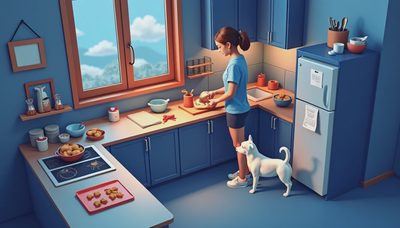
You are standing in the kitchen with a mixing bowl, a suspiciously interested dog, and half a banana that is too soft for the family fruit bowl. Homemade dog treats can be a useful way to turn those ingredients into small rewards, but “homemade” does not automatically mean healthy. The recipe, portion size, and your dog’s medical history still matter.
I approach homemade dog treats the same way I approach a commercial food label: with curiosity, not panic. A simple biscuit can be a pleasant addition to a complete diet. It cannot replace that diet unless a veterinary nutritionist has formulated the entire recipe to meet your dog’s nutrient needs. Treats should generally stay below about 10% of daily calories, with the remaining calories coming from a complete and balanced food.
Start with a short, safe ingredient list
Good starter ingredients include plain cooked chicken, lean ground turkey, eggs, oats, whole-wheat flour, pumpkin puree, carrots, green beans, apples with the seeds and core removed, blueberries, and bananas. Plain peanut butter can work too, but read the label carefully. Some products contain xylitol, an artificial sweetener that can cause a dangerous drop in blood sugar and potentially liver injury in dogs. Xylitol may also appear under newer labeling terms such as birch sugar.
Homemade dog treats do not need a long list of supplements, oils, powders, or herbal ingredients. In fact, a short recipe is easier to evaluate and less likely to contain an ingredient that causes trouble. Pumpkin, for example, adds moisture and fiber, but it is not a treatment for every digestive problem. If your dog has repeated vomiting, diarrhea, weight loss, or a change in appetite, skip the baking experiment and call your veterinarian.
Avoid chocolate, coffee, alcohol, grapes, raisins, onions, garlic, macadamia nuts, and dough containing active yeast. Very fatty ingredients, including bacon grease and large amounts of butter, can cause stomach upset and contribute to pancreatitis in susceptible dogs. Salt is another reason to avoid sharing seasoned human snacks. Your dog does not need a miniature version of a deli sandwich.

Three practical homemade dog treats recipes
For a soft pumpkin-oat bite, combine one cup of plain pumpkin puree, one egg, and two cups of rolled oats ground into a coarse flour. Add a tablespoon or two of water if the mixture is dry. Form small balls, flatten them, and bake at 350 degrees Fahrenheit for roughly 15 to 20 minutes. Let them cool completely before serving. Store them in the refrigerator for several days or freeze extras in a sealed container.
For a simple chicken training treat, pulse cooked, unseasoned chicken with one egg and enough oat flour to form a workable dough. Press the mixture into a thin layer on a parchment-lined baking sheet, score small squares with a knife, and bake at 325 degrees Fahrenheit until firm. The thinner the sheet, the smaller and lower-calorie the rewards can be. That matters when you are practicing leash manners and handing out 30 pieces in one afternoon.
For a no-bake option, mash a small banana with plain oats and a modest amount of xylitol-free peanut butter. Roll tiny portions and chill them. These are calorie-dense, so think pea-sized rather than meatball-sized. Homemade dog treats made with peanut butter should be occasional rewards, especially for dogs carrying extra weight.
The exact cooking time depends on moisture, thickness, and your oven. Cool every recipe before offering it, and introduce one new ingredient at a time if your dog has a sensitive stomach. That makes it easier to identify the likely cause if loose stool or itching appears.
Portion size is part of the recipe
A treat’s size should match the dog, the purpose, and the day’s total intake. A 10-pound dog may need rewards closer to the size of a pea, while a larger dog can handle a slightly bigger piece. “Small” is not a useful measurement unless you can see the treat next to your dog’s daily calorie needs.
As a rough example, a 20-pound adult dog might need around 400 to 500 calories per day, depending on age, activity, body condition, and health. Ten percent could be only 40 to 50 calories for treats. Several pieces of a rich homemade biscuit can reach that amount quickly. Break larger treats into smaller fragments and count training rewards as food, not as free calories.
Weighing treats is unnecessary for most households, but measuring the finished batch can improve consistency. If a recipe contains 800 total calories and produces 80 pieces, each piece contains approximately 10 calories. You can then plan the day instead of guessing from the size of the cookie jar.

When homemade treats need extra caution
Dogs with diabetes, kidney disease, pancreatitis, food allergies, inflammatory bowel disease, or obesity need a more individualized approach. A treat that looks harmless can alter fat, phosphorus, protein, carbohydrate, or calorie intake. Dogs on elimination diets also need treats made only from ingredients approved for the diet; one bite of chicken can undermine a carefully designed food trial for a dog avoiding poultry.
Puppies are another special case. They need adequate nutrition for growth, particularly when they are large-breed puppies, and a steady stream of treats can displace balanced food. Senior dogs may need softer textures, smaller pieces, or lower-calorie options if dental disease or reduced activity is a concern. Ask your veterinarian for a practical calorie target when a medical condition is involved.
Treats also create a food-safety responsibility. Wash your hands, use clean utensils, refrigerate moist recipes, and discard anything that smells sour or develops mold. Do not leave meat-based treats at room temperature for hours. Homemade dog treats have fewer preservatives than many commercial products, which is not a flaw, but it does mean they require sensible storage.
How homemade compares with store-bought rewards
A homemade recipe gives you control over the ingredient list and texture. That can be valuable for a picky dog, a training plan, or an owner who wants to use leftover ingredients responsibly. It does not automatically provide better nutrition than a commercial treat. A reputable packaged treat can be easier to portion, label, store, and fit into a complete feeding routine.
Commercial treats also come in useful formats, including tiny training pieces, dental products, freeze-dried meat, and low-calorie biscuits. The label still deserves attention. Look at calories per piece, not just the front-of-bag claims. “Natural,” “grain-free,” and “limited ingredient” describe marketing or formulation features; they do not guarantee that a product is appropriate for every dog.
The best choice is the one you can use consistently and safely. Some owners alternate a few homemade dog treats with a measured commercial reward. Others use part of the dog’s regular kibble during training, which adds no extra calories when that amount is removed from the meal.
A kitchen checklist for today
Before making homemade dog treats, check five things. First, read every ingredient label, especially peanut butter and baking products. Second, remove toxic foods from the recipe and work surface. Third, choose a portion size before baking rather than after. Fourth, write the ingredients and date on the storage container. Fifth, subtract treat calories from the day’s food when the batch is rich or the training session is long.
Watch your dog’s body condition over time. You should be able to feel the ribs under a thin layer of fat, while the waist remains visible from above in most healthy adult dogs. If the waist disappears, reduce extras and discuss an appropriate weight plan with your veterinarian rather than simply guessing.
Homemade dog treats can be enjoyable, inexpensive, and perfectly reasonable when they remain treats rather than becoming the foundation of the diet. Start with one simple recipe, make the pieces smaller than your instincts suggest, and introduce changes gradually. Then flip the bag—or, in this case, the recipe card—and read every ingredient before it reaches the bowl.


No notes yet — write the first one.